Avoid Surprise Tow Fees: 3 Things Sellers Must Confirm When Buyers Tow
Many car buyers include towing when they purchase your vehicle, but the details depend on the buyer, your car’s condition, and where you live. Some offers free pickup as part of a guaranteed cash deal, while others charge or require you to bring the car to them. Before agreeing to a sale, confirm three things in writing: whether towing is included, any distance or condition limits, and exactly when and how you get paid.
TL;DR:
- Most free towing offers are limited to vehicles in good condition or within a specific distance, while non-running cars often incur extra charges or need special handling.
- Confirm in writing whether towing is included in the quote, the distance allowed for free pickup, and the exact timing and method of payment before agreeing to a sale.
- Towing costs can vary based on vehicle condition, location, and handling needs, with non-running or inaccessible cars more likely to attract additional fees.
- Reliable buyers offer guaranteed payouts, specific pickup windows, and clear policies on title handling, with some including free towing within service areas.
- Proper preparation, such as clearing hazards and confirming arrangements in writing, helps ensure a smooth towing process and prevents delays at pickup.
Table of Contents
- What buyer towing policies usually look like
- When towing is free and when you may pay
- How pickup, payment, and paperwork usually work
- How to choose a buyer who provides reliable towing
- Regulatory and insurance notes that affect towing and who pays
- Example: how Tri State Cash For Cars handles towing and pickup
- A seller’s quick checklist for a smooth tow-and-sell
- How Tri State Cash For Cars can make selling and towing simple
- Sources
- FAQ
What buyer towing policies usually look like
When a buyer says they offer “free towing,” that phrase can mean several different things depending on the company and the deal. Some buyers cover pickup only when the sale actually closes, while others charge a fee if you cancel or decline after they’ve dispatched a truck.
Most towing arrangements fall into a few recognizable patterns:
- Free towing on completed purchase: the cost is built into the offer, so you pay nothing separately.
- Paid towing if the sale falls through: buyers may bill you for dispatch if you back out after scheduling.
- Distance-based service: free pickup within a set radius, with fees or refusal beyond it.
- Condition-based service: some buyers won’t tow vehicles that are inaccessible or missing wheels without special equipment.
| Policy type | Free towing included | Typical pickup timeframe | Accepts non-running vehicles | Payment at pickup |
|---|---|---|---|---|
| Cash-for-car buyer (guaranteed offer) | Yes, on completed sale | Same-day to 72 hours | Yes | Cash or check |
| Private buyer (individual) | Rarely, seller often arranges | Varies, no fixed window | Sometimes, case by case | Cash or bank transfer |
| Dealership trade-in | Rarely, seller usually delivers | Scheduled appointment | Limited | Credit toward new vehicle |
| Local tow company (independent) | No, towing itself is the paid service | Same-day if available | Yes | Paid by requester |
The differences matter most when your car doesn’t run. A dealership trade-in almost always expects you to drive the car in, while a cash buyer built around pickup service is set up to handle vehicles that can’t move under their own power.
When towing is free and when you may pay
Whether towing costs you anything usually comes down to four practical factors, and it’s worth asking about each one before you agree to a price.
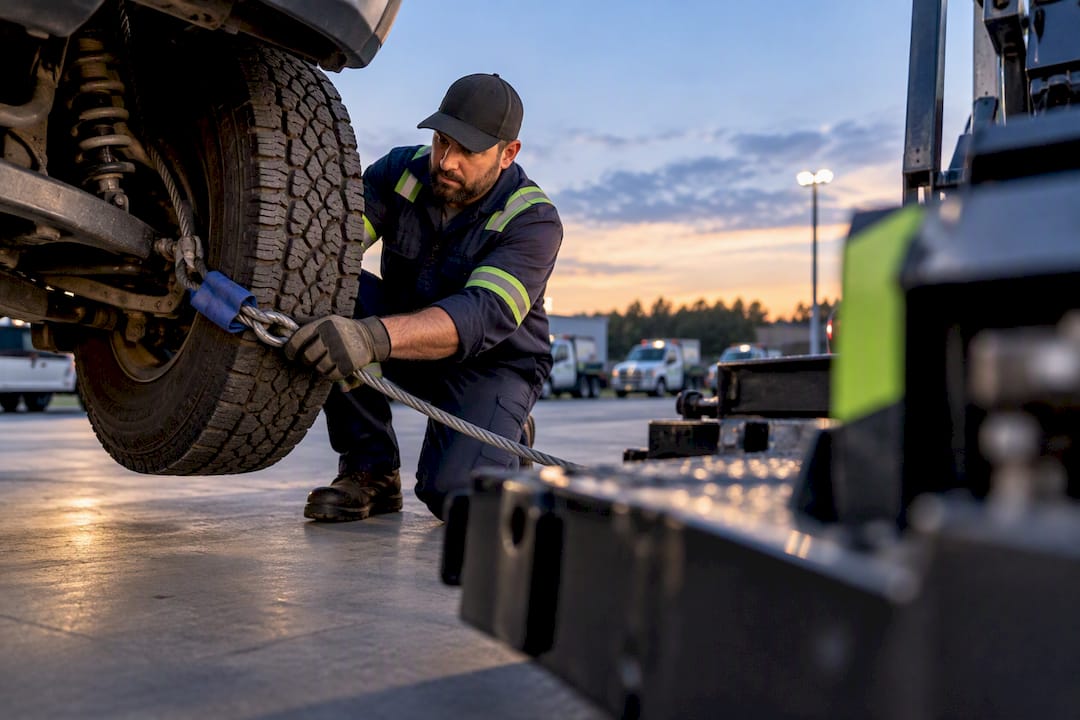
- Vehicle condition: a running car is easy to load, but a non-running or stuck vehicle may need a flatbed or winch, which some buyers pass along as a fee.
- Location and access: a car in an open driveway is simple to reach, while one on a blocked street, inside a locked lot, or on commercial property can slow things down or add cost.
- Special handling: leaking fluids, missing tires, or a car that needs winching out of mud or a ditch often requires extra equipment and time.
- Title and lien status: a car with a lien still on it, or no title at all, can delay pickup while the buyer verifies ownership, even if the tow itself is otherwise included.
State environmental agencies can also require special handling of automotive fluids during disposal or recycling, which is one more reason a leaking or damaged vehicle sometimes carries a different towing arrangement than a clean, running one, according to guidance from Virginia’s environmental agency. If your car isn’t running at all, a guide to moving a non-running car walks through what buyers typically need to know before they send a truck.
How pickup, payment, and paperwork usually work
Once you accept an offer, the process generally follows a predictable sequence, though the exact order can shift slightly by buyer.
- Accept the offer and get the agreed price confirmed in writing, including any conditions.
- Schedule pickup for a specific day and time window rather than a vague “sometime this week.”
- Buyer inspects the vehicle on arrival to confirm it matches what you described.
- Payment is made, typically in cash or by instant transfer, before the car leaves your property.
- Paperwork is signed, including the title transfer and a bill of sale.
- The vehicle is towed away once payment and paperwork are both complete.
Before signing over the title, verify payment has actually cleared or that cash is in hand. Paper checks can bounce, so cash or an instant bank transfer confirmed on your phone is safer than a check you can’t verify on the spot.
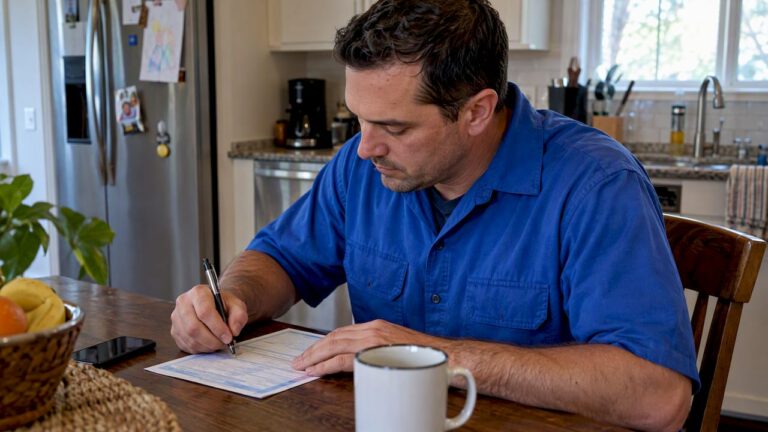
Have your title, a valid ID, a lien release if you still owe money on the car, and a bill of sale ready ahead of time. Missing documents are one of the most common reasons pickup gets delayed. Most buyers who specialize in this kind of purchase can complete the whole process, from acceptance to tow-away, within a window of same-day to 72 hours, but you should ask for that window in writing rather than assuming it.
How to choose a buyer who provides reliable towing
Picking a buyer who actually delivers on a towing promise takes a short round of direct questions before you commit.
- Ask if towing is included in the exact price quoted, not added later as a surprise fee.
- Ask about distance limits, since some buyers only tow free within a set service area.
- Ask whether your car’s condition changes the price or the towing method, especially if it’s non-running or hard to access.
- Ask how and when you’ll be paid, and get that answer in writing alongside the pickup window.
Look for buyers who put their payout guarantee and pickup window in writing, who have a clear policy on titles, and whose reviews specifically mention smooth, on-time pickups rather than vague praise. Be cautious of any buyer who won’t confirm terms in writing, asks you to pay for towing upfront, gives only a rough “sometime this week” estimate, or insists you deliver the car yourself despite advertising pickup service.
Pro Tip: Text yourself a summary of the agreed price, towing terms, and pickup window right after the call, so you have a timestamped record if anything changes later.
Regulatory and insurance notes that affect towing and who pays
Insurance coverage for towing depends heavily on what kind of policy you carry, and it rarely overlaps with a car sale. Roadside assistance typically covers towing after a breakdown for $5 to $15 per month, while collision or comprehensive coverage only pays for towing tied to a covered incident and usually involves your deductible, according to insurance coverage research.
- Roadside assistance add-ons handle breakdown towing, not the towing involved in selling a car.
- Comprehensive and collision coverage only apply to towing connected to a covered accident.
- Manufacturer-set towing capacity limits affect how safely a vehicle can be moved, and exceeding them risks drivetrain damage, per towing capacity guidance.
None of these policies replace a buyer’s own pickup guarantee when you’re selling. That promise, if there is one, should come from the buyer directly and in writing.
Example: how Tri State Cash For Cars handles towing and pickup
Some cash-for-car buyers send a team to the seller’s location, provide a cash offer, and commit to paying the stated price at pickup with no surprises.
- On-site team: comes to you rather than requiring you to deliver the vehicle.
- Guaranteed payout: the price quoted is the price paid at pickup.
- Paperwork handled: title transfer and sale documents are managed as part of the visit.
- Free towing in served areas: pickup is built into the service rather than billed separately.
When comparing this kind of offer against others, use the same checklist from earlier: confirm the payout guarantee in writing, get a specific pickup window, and clarify the accepted payment method before the truck arrives.
A seller’s quick checklist for a smooth tow-and-sell
Before anyone shows up to tow your car, get the basics locked down. Confirm in writing whether towing is included, any distance or condition limits, how you’ll be paid, the pickup window, and who’s handling the title paperwork.

A little staging goes a long way. Clear a path to the car, remove your personal belongings and valuables, and mention any hazards, like a flat tire or leaking fluid, before the tow crew arrives.
Finally, exchange a direct phone number with whoever is coming, not just a general company line, and keep a backup contact in case plans shift at the last minute.
— Eric
How Tri State Cash For Cars can make selling and towing simple
If you’d rather skip the back-and-forth of confirming towing terms with multiple buyers, some services build that certainty into the offer itself, as detailed in why mobile services for car owners beat the shop. They may send a team to your location, pay a guaranteed amount at pickup, handle the paperwork, and include free towing in certain areas.
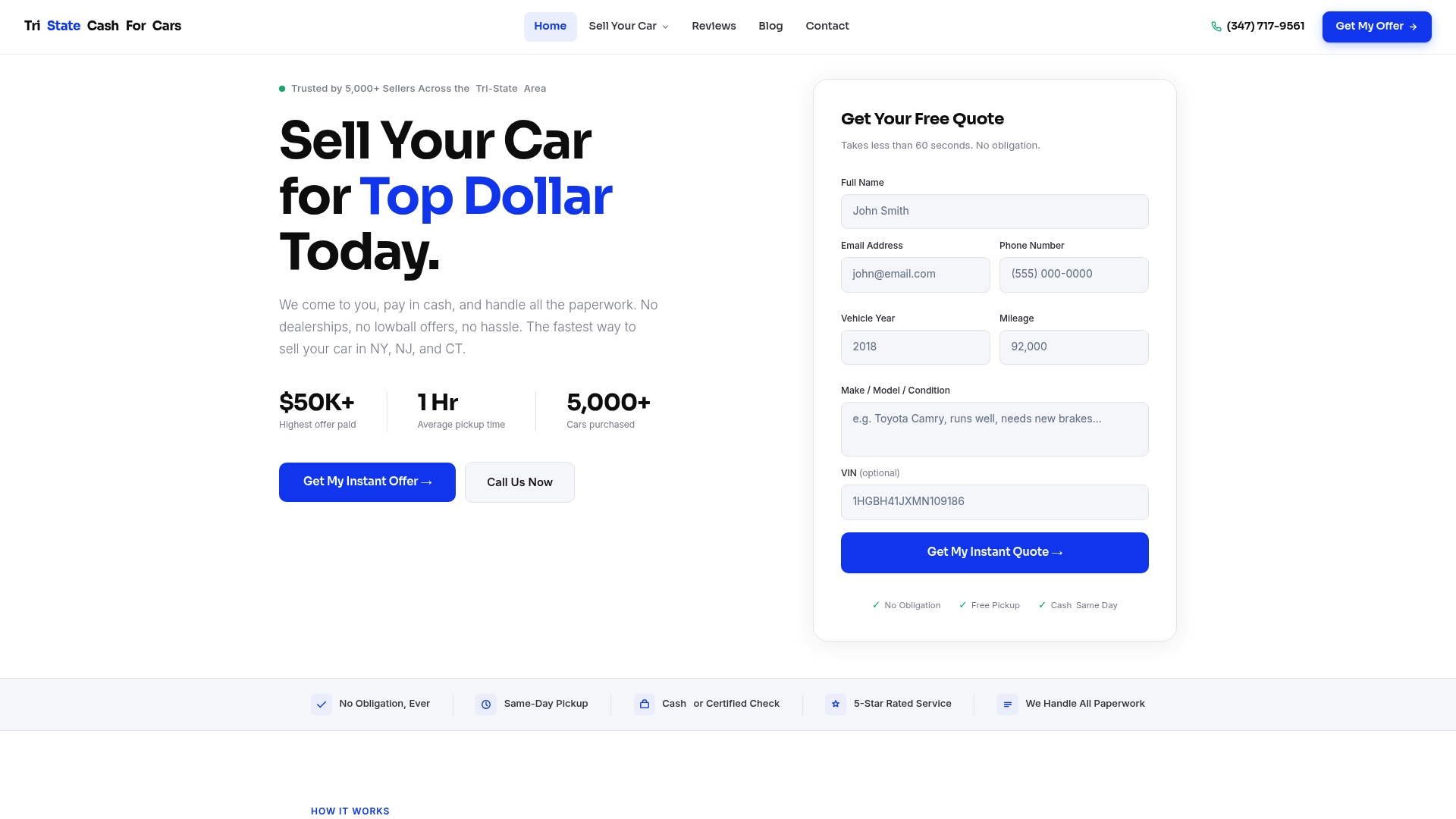
- Guaranteed cash offer, paid at the time of pickup.
- On-site team that comes to your car rather than requiring delivery.
- Free towing included in served areas.
- Paperwork handled as part of the same visit.
| What to confirm | What this looks like in practice |
|---|---|
| Payout guarantee | Price quoted matches price paid at pickup |
| Pickup window | Scheduled same-day to 72 hours |
| Towing cost | Free within served areas |
| Paperwork | Title and bill of sale handled at pickup |
Use the checklist from earlier sections to compare any offer you’re considering, including this one. If you’re ready to see what your vehicle is worth, request a quote and schedule pickup and confirm the towing terms in writing before the truck leaves the lot. Sellers in the Brooklyn area can also review local pickup and towing details specific to that service area.
Sources
FAQ
What is the $3000 rule for cars?
This isn’t a standard industry term or a recognized regulation, and definitions vary widely depending on who uses it. If you’ve seen it referenced somewhere specific, it’s worth asking that source directly what threshold or rule they mean.
Who will pay the most for a junk car?
The highest offer usually goes to whichever buyer values your car’s specific condition, parts, or scrap weight most, and that can shift between buyers. Getting quotes from a few cash buyers and comparing their guaranteed payout and towing terms is the most reliable way to find the best offer for your situation.
What is the 80% rule for towing?
This isn’t a standard or widely recognized rule in the towing or car-buying industry. If you’ve encountered it in a specific context, it likely refers to a policy from one particular company rather than an industry standard.
How long will a repo man look for a car?
This question relates to vehicle repossession, which is a different process from selling your car to a buyer, and timelines vary by lender, state, and case. If you’re dealing with a repossession situation rather than a voluntary sale, your loan servicer’s paperwork is the best source for specific timelines that apply to your loan.