Same Day Cash for a Rusted Car With Tri State Cash For Cars
Rust rarely kills a sale on its own. Surface corrosion on panels or trim barely dents your asking price, but rust that reaches the frame, rockers, or brake lines changes the conversation entirely, cutting into safety, legality, and resale value at once. Before you list anything, photograph every affected area, note where the corrosion sits, get a mechanic to check the frame or brakes if either looks compromised, then match your car’s condition to the right sales channel.
TL;DR:
- Surface rust typically results in a minor discount, while penetrating rust may halve the vehicle’s value, and severe structural rust can reduce it to scrap or parts prices.
- Inspection of the frame, brakes, and suspension is crucial, especially if rust appears near load-bearing components or suspension mounts, to assess safety and structural integrity.
- Repair costs for cosmetic rust rarely pay off, but structural repairs may be worthwhile if estimates are less than 40% of the vehicle’s clean condition value, otherwise selling as-is is better.
- Selling options vary by rust severity and title status, with private sales suited for lightly rusted desirable models and cash-for-cars services preferred for heavily rusted or non-running vehicles.
- Disclose salvage or rebuilt titles and any safety-related rust issues in writing, as legal penalties apply in some states for non-disclosure, and documentation speeds up the sale process.
Table of Contents
- Why rust matters: cosmetic corrosion versus structural damage
- How rust affects resale value and what changes the estimate
- Rust location and severity: a seller’s checklist
- Repair versus sell as-is: when the math works
- Disclosure and legal risk: title brands and state rules
- Where to sell a rusty car: matching the route to the damage
- Typical buyer concerns and questions about rust damage
- Negotiation tips when selling a rusty car
- Market demand for rusted cars: model and region differences
- What sellers get wrong about rust damage
- Selling a rusted car through Tri State Cash For Cars
- Sources
- FAQ
Why rust matters: cosmetic corrosion versus structural damage
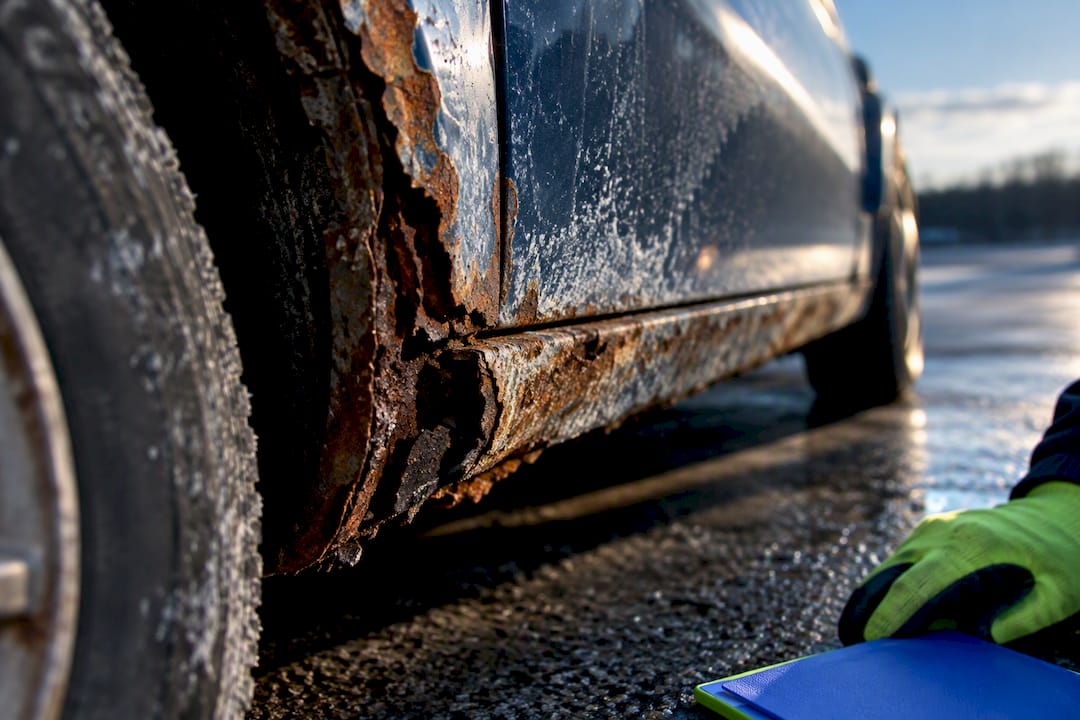
Rust falls into three rough categories, and buyers react differently to each one. Surface rust sits on paint and trim, penetrating rust eats through sheet metal in spots like wheel wells or trunk floors, and structural rust attacks the frame, subframe, or rocker panels that hold the car together.
- Surface rust: bubbling paint, light discoloration, no metal loss.
- Penetrating rust: visible holes or flaking metal on floor pans or wheel wells.
- Structural rust: corrosion on the frame, subframe, or load-bearing rockers.
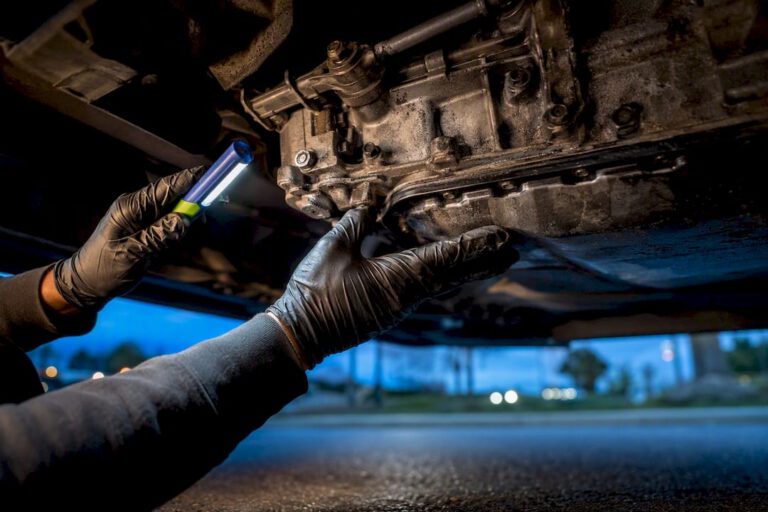
Inspection guidance from Carfax points sellers toward the frame, suspension, and brake components first, since damage there affects roadworthiness rather than just appearance. If you see flaking rust near suspension mounts, brake lines, or the frame rails, that is your signal to stop guessing and get a professional opinion.
Pro Tip: Tap suspicious rust spots with a screwdriver handle. A solid thud usually means surface corrosion; a soft or crumbling sound often means the metal underneath has already thinned out.

How rust affects resale value and what changes the estimate
Buyers and dealers price rust in stages. Cosmetic surface rust might cost you a modest markdown, since it signals the car needs cosmetic work but nothing dangerous. Moderate penetrating rust, especially in floor pans or wheel wells, pushes the discount further because it hints at more corrosion hidden underneath. Severe structural rust, particularly on the frame or rockers, often shifts the sale from a retail price to a salvage or parts price, because most buyers and dealers will not take on the liability.
- Surface rust: minor discount, cosmetic concern only.
- Moderate rust: noticeable discount, buyer may request repair estimates before committing.
- Severe structural rust: steep discount, often priced closer to scrap or parts value.
A quick inspection focused on frame integrity, priced around $150 to $350, gives sellers both bargaining leverage and legal cover when they disclose the report to buyers. That single document can be the difference between a buyer walking away and a buyer negotiating in good faith.
Say a 12-year-old sedan is worth $4,000 clean. Surface rust might knock a few hundred dollars off. Moderate penetrating rust on the floor pans could cut the price by close to half. A frame with active structural corrosion can push the realistic offer down toward parts or scrap value, since diminished value compounds when repair costs and resale friction both rise at once.
Rust location and severity: a seller’s checklist
Not every rust spot deserves the same urgency. Work through your car in this order before you list it or request a cash offer.
- Frame and subframe: any active rust here needs a mechanic’s opinion before you set a price.
- Brake lines: corroded lines are a safety issue and should be inspected immediately.
- Suspension mounts: rust here affects handling and often signals deeper corrosion nearby.
- Rocker panels: structural on many unibody cars, worth a close look underneath.
- Trunk floor and wheel wells: usually cosmetic but worth photographing for the listing.
- Body panels: lowest priority, mostly a pricing and appearance issue.
Photograph close-ups of each spot along with wide undercarriage shots, and note the location, size, and depth of each patch in your listing or disclosure. If the frame, brakes, or suspension show anything beyond light surface rust, ask a mechanic specifically to check for perforation and structural integrity, not just a general once-over.
Repair versus sell as-is: when the math works
Cosmetic rust repair rarely pays for itself. A $600 bodywork job to smooth over surface rust on panels might only add a couple hundred dollars to your final price, since buyers still see the car as older and imperfect. Structural repair is a different calculation entirely, and sometimes it works in your favor.
- Get one or two repair quotes before deciding anything.
- Estimate how much the repair would realistically add to your asking price.
- Subtract the repair cost and expect the buyer to still negotiate down from there.
Specialized repair approaches, like localized welding and section replacement instead of full-frame swaps, can sometimes fix structural rust for meaningfully less than replacing the whole frame, though the work needs a qualified welder to keep the repair safe. When the numbers do not work, selling as-is to a cash buyer, parting the car out, or pricing it for salvage usually nets you more than sinking money into a repair that will not fully return.
Pro Tip: If a repair quote comes back higher than 40% of your car’s clean-condition value, selling as-is almost always beats fixing it first.
Disclosure and legal risk: title brands and state rules
Title brands like salvage, rebuilt, or flood must be disclosed everywhere, regardless of state. In New York, sellers who fail to disclose salvage or rebuilt status on a title can face fines up to $2,000 along with penalties under state law. Massachusetts takes disclosure further, requiring broader condition disclosures beyond just branded titles, so the rules genuinely differ by state and it pays to check your own before listing.
Most states do not require you to volunteer cosmetic rust on a clean title, but concealing frame damage that compromises safety can expose you to civil liability and, in serious cases, criminal charges.
- Disclose salvage, rebuilt, or flood titles in writing, every time.
- Use a bill of sale with clear “sold as-is” language.
- Keep photos and saved messages in case a buyer disputes the sale later.
If your vehicle carries a salvage or rebuilt title, our guide to selling a salvage title car walks through the disclosure forms and pricing approach in more detail.
Where to sell a rusty car: matching the route to the damage
Your best channel depends on how bad the rust is and how much time you have.
- Private sale: works best for light surface rust on a desirable model, but expect buyers to ask questions and expect you to disclose fully.
- Dealer trade-in: convenient, but dealers often lowball or flatly decline cars with visible rust since retail buyers avoid it.
- Cash-for-cars or salvage buyers: fast, fewer questions about condition, and often the better fit for heavy rust, non-running cars, or vehicles without a clean title.
- Parting out: can net more money for a heavily rusted car with valuable components, but takes far more time and effort than selling whole.
Specialist cash buyers will regularly take on cars at every rust level, pricing by remaining usable parts or scrap value when structural repair would not make financial sense. Our own comparison of junkyard sales versus cash-for-cars breaks down which route makes more sense for a non-running or heavily corroded vehicle.
Typical buyer concerns and questions about rust damage
Most buyers looking at a rusted car ask some version of the same three questions: is it safe, will it get worse, and what will it cost to fix. Safety concerns usually center on brakes and suspension, since a buyer picturing themselves driving the car wants to know the rust will not fail while they are on the road.
Buyers also ask how the rust started, since road salt and coastal humidity accelerate corrosion far faster than dry inland climates. If your car has spent winters on salted roads, expect that question, and an honest answer about your region builds more trust than dodging it. Some road salt protection guidance explains why undercarriage rust spreads so quickly once salt gets into seams and joints, which is worth understanding even if you never plan to treat the car yourself.

The other common question is whether the rust has been inspected. A buyer who sees rust but gets no documentation will assume the worst and negotiate accordingly, or walk away entirely. Handing over a written inspection report, even a basic one, answers the safety question directly and often speeds up the sale. Buyers also want to know if the title is clean, since a branded title changes financing options and insurance costs on their end, not just yours.
Negotiation tips when selling a rusty car
Price your car realistically before you list it, not after a buyer points out the rust and forces you to react. If you already know the frame has surface corrosion but no structural issues, say so upfront and price accordingly. That single move takes away a buyer’s biggest leverage point.
Get ahead of the inspection request. If you have already had a mechanic look at the frame or brakes, offer that report before the buyer asks. It signals you are not hiding anything and shortens the back and forth.
Expect buyers to anchor low, especially once they see any rust at all, even cosmetic. Hold your price if your documentation supports it, but be ready to move on non-running or structurally rusted cars where your realistic ceiling is closer to parts or scrap value anyway.
Finally, do not let a single lowball offer set your expectations. Get two or three offers, whether from private buyers, a dealer, or a cash buyer, before deciding your car is worth less than you thought. Our guide to preparing a car for sale covers documentation steps that tend to strengthen your negotiating position before you even start talking price.
Market demand for rusted cars: model and region differences
Where you live changes how much rust buyers will tolerate. In regions with heavy winter road salt, buyers are more used to seeing corrosion and often price it in without much fuss, since almost every older car nearby has some. In drier or warmer regions, rust on a used car reads as a red flag precisely because it is unusual, and buyers there tend to discount more heavily or avoid the car altogether.
Model desirability also plays a role. Trucks and SUVs with strong aftermarket demand, or models known for durable drivetrains, tend to hold value even with visible rust, since buyers see them as worth restoring. Less desirable sedans with the same rust level often struggle to find a private buyer at all, pushing sellers toward dealer trade-ins or cash buyers instead.
Non-running or salvage-title vehicles with rust see the thinnest private-buyer demand nationwide, regardless of region, since most private buyers want something they can drive home the same day. That gap is exactly where specialist buyers and parts dealers step in, since their business model does not depend on retail appeal the way a private sale does.
What sellers get wrong about rust damage
Most sellers either panic over cosmetic rust or ignore structural rust until a buyer’s mechanic finds it first. Neither approach helps you. The practical move is to document everything, disclose fully in writing, price based on actual severity rather than fear or hope, and then pick the sales channel that matches your timeline and risk tolerance rather than defaulting to whichever option feels easiest.
A car with a rusted frame and no disclosure is a liability waiting to surface, while the same car sold honestly to the right buyer is just a normal transaction. A cash-for-cars service sends a team to inspect vehicles on-site, may guarantee the offer quoted at pickup, and handles the paperwork directly, which removes most of the friction sellers hit when a car’s condition is complicated.
— Eric
Selling a rusted car through Tri State Cash For Cars
If your car has heavy rust, a salvage title, or no title at all, Tri State Cash For Cars offers a direct path that skips the private-sale disclosure back and forth entirely. A cash-for-cars service can send a team to your location to inspect the vehicle on-site and provide a cash offer that may be honored at pickup, with paperwork handled on the spot and payment the same day.

This route fits sellers dealing with structural rust, non-running vehicles, or an urgent need for cash more than it fits someone chasing top retail dollar on a clean, lightly rusted car. If that describes your situation, here is the honest tradeoff: a private sale might net a slightly higher number on a desirable model in good shape, but it costs you time, repeated buyer questions, and inspection back and forth that heavy rust makes worse, not better.
- We inspect the vehicle where it sits, rust and all.
- We quote a price and guarantee it at pickup, no last-minute renegotiation.
- We complete the paperwork and pay same-day, including cars without a clean title.
Pro Tip: If you’re already holding a mechanic’s inspection report on frame or brake rust, have it ready when you request a quote. It speeds up the on-site evaluation.
Cash in hand within an hour of pickup removes the biggest headache in selling a damaged car: waiting.
| Seller situation | Best fit route |
|---|---|
| Light surface rust, desirable model | Private sale |
| Moderate rust, wants convenience | Dealer trade-in or cash buyer |
| Heavy structural rust or no title | Cash-for-cars buyer |
| Needs payment same day | Cash-for-cars buyer |
One offer, honored at pickup, is the core guarantee behind Tri State Cash For Cars’s process. Request a quote through our main page or check the options available for selling your car to see how a rusted or non-running vehicle fits into the same-day cash process.
Sources
- Sell a salvage vehicle (Salvage vehicle disclosure) | NY DMV
- Is It Illegal to Sell a Car With a Rusted Frame? – LegalClarity
- Carfax: Car rust — how much is too much?
FAQ
Should I buy a car with rust damage?
It depends on severity and location: light surface rust on a desirable model is often fine, but frame or brake-line rust needs a mechanic’s inspection before you commit. Ask for documentation and confirm the title status before making an offer.
What is the $3,000 rule for cars?
This isn’t a formal legal or DMV standard; it’s a common rule of thumb some buyers and mechanics use, suggesting that when repair costs approach a significant portion of the car’s clean value, selling or parting it out often makes more financial sense than fixing it. Treat it as a rough gut check, not a fixed threshold, since actual break-even points depend on the car’s value and the specific repair.
How much does rust devalue a car?
The discount scales with severity: surface rust brings a modest markdown, moderate penetrating rust cuts value more noticeably, and severe structural rust on the frame often pushes the price down toward salvage or parts value. Location matters too, since frame and suspension rust affects value more than cosmetic panel rust.
How expensive is it to fix rust damage on a car?
Cosmetic repairs on panels or trim tend to cost far less than structural work on a frame or rocker panel, and a pre-sale inspection focused on frame integrity typically runs $150 to $350. Structural repair costs vary widely depending on the extent of corrosion and whether a specialist can weld in sections rather than replace the full frame.
Do I have to disclose rust damage when selling my car?
Salvage, rebuilt, or flood title brands must be disclosed everywhere, but most states do not require you to volunteer cosmetic rust on a clean title. Concealing rust that compromises safety, like frame or brake damage, can still expose you to liability even without a formal disclosure law covering cosmetic corrosion.