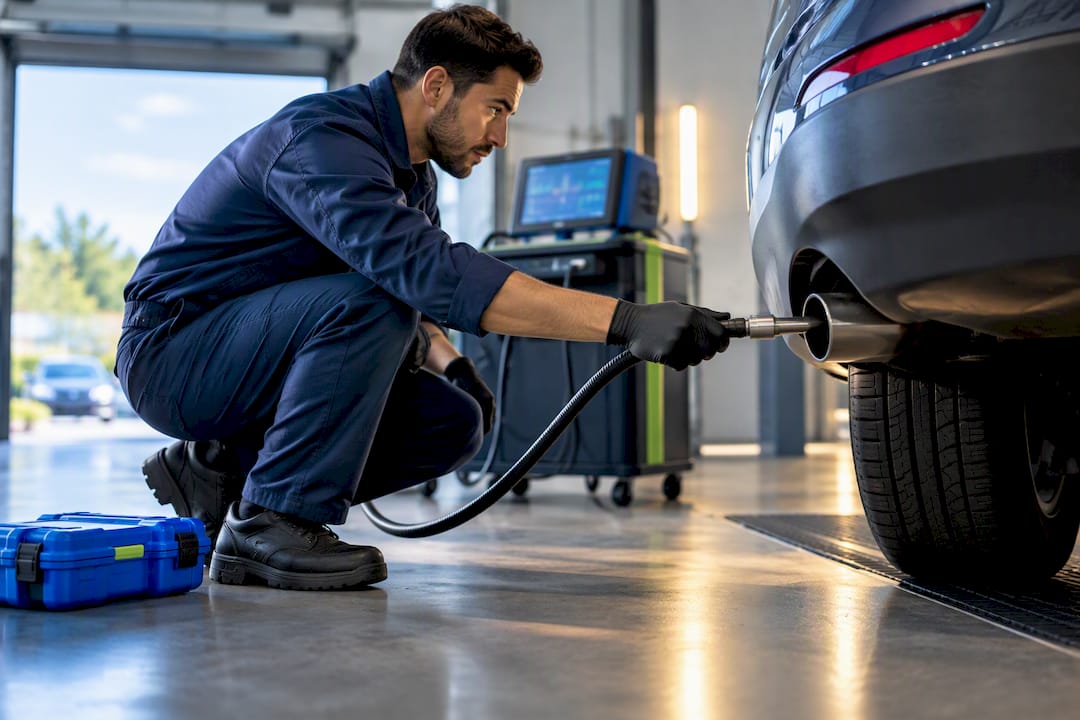
Same Day Cash for a Car That Failed Emissions in NY/NJ/CT
The quickest way to turn a car that failed emissions into money is to sell it to a reputable cash buyer who purchases vehicles as-is, pays at pickup, and handles the paperwork. If speed isn’t the priority, realistic alternatives include a private sale with full disclosure, a dealer trade-in, repairing the car and getting it reinspected, or selling for salvage. Whichever route you choose, disclose the failed result in writing and keep your Vehicle Inspection Report on hand.
TL;DR:
- Selling to a cash buyer offers same-day payment and avoids reinspection costs but pays based on resale or parts value rather than a fixed price.
- Private sales can yield higher offers but require honest disclosure, time, and effort in screening buyers and negotiating, often taking weeks.
- Repair costs must be low relative to the vehicle’s value, as fixing major emissions issues like catalysts can quickly exceed its resale worth.
- Proper documentation, including a written disclosure and Vehicle Inspection Report, is essential to protect against future disputes and comply with state reinspection rules.
- Selling as-is usually provides a better financial outcome than repairs unless the fix is minor and inexpensive, especially for older vehicles with high repair costs.
Table of Contents
- Options for an Emissions Failed Car Sale
- How Do You Sell a Car to a Cash Buyer After a Failed Inspection?
- Disclosing a Failed Emissions Test When You Sell
- What Your Failed Emissions Car Is Actually Worth
- Tax Implications of Selling a Failed Emissions Vehicle
- Negotiating With a Cash Buyer or Dealer on a Failed Emissions Car
- Donating or Auctioning a Car That Failed Emissions
- Why I Recommend Selling As-Is More Often Than Repairing
- Get a Cash Offer From Tri State Cash For Cars
- Where to Check Your State’s Emissions and Inspection Rules
- Sources
- FAQ
Options for an Emissions Failed Car Sale
Every route out of a failed inspection comes with a different mix of speed, cash, and legal exposure. Here’s how the main paths stack up for tri-state sellers.
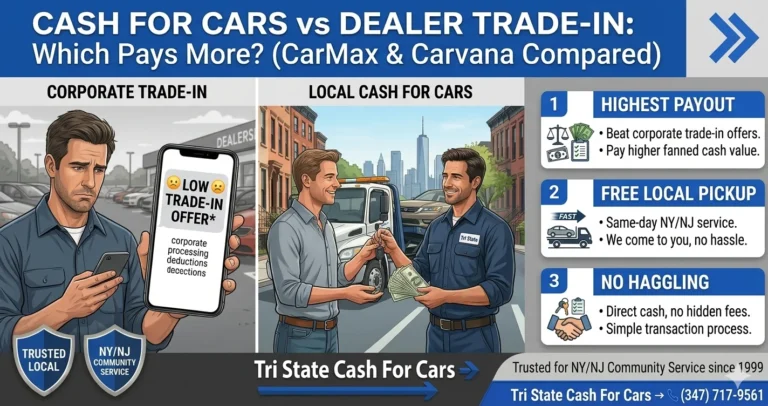
- Cash buyer, as-is: A company that buys vehicles regardless of condition can appraise your car, make an offer, and pick it up the same day. You get money fast and skip the reinspection process entirely, though the offer reflects the car’s resale or parts value rather than a “fixed” price.
- Private sale, as-is with disclosure: You might net more than a cash buyer’s offer, but you’re on your own for advertising, buyer screening, and making sure the disclosure language in your bill of sale is airtight. This route also takes longer, sometimes weeks, and buyers negotiating a known emissions issue tend to push hard on price.
- Dealer trade-in: Convenient if you’re buying another car, but dealers often price in the cost of repairs before quoting a trade value, and some won’t take a failed-inspection vehicle at all until it’s fixed. New York dealers are also required to inspect vehicles they resell within a set window, which shapes what they’re willing to accept as a trade.
- Repair, then sell: Worth it only when the fix is cheap relative to the car’s value, like a loose gas cap sensor or a bad oxygen sensor. If the failure involves a catalytic converter or emissions control module, repair costs can run into four figures fast, and that math rarely favors an older vehicle.
- Salvage or scrap: For cars with mechanical problems beyond the emissions failure, salvage value might exceed what you’d net after repair costs and reinspection fees.
The common thread across every option is disclosure. Once a car carries a documented emissions failure, NJDEP’s Stop the Soot program notes that certain failures trace back to readiness monitors or specific fault codes that can recur even after a repair attempt, which is exactly the kind of detail a buyer deserves to know before money changes hands.
How Do You Sell a Car to a Cash Buyer After a Failed Inspection?
Selling to a cash buyer is a short process if you walk in prepared. Here’s the sequence:
- Pull your Vehicle Inspection Report (VIR). This document shows the exact failure code and date, and you’ll want a copy ready to hand over or reference during the appraisal call.
- Gather your title, registration, and photo ID. If there’s a lien on the car, get the payoff amount from your lender in advance so it doesn’t stall the transaction.
- Collect maintenance and repair receipts. Even a car that failed emissions can show a strong service history, and that history supports a better offer.
- Request an appraisal. Describe the car’s condition and the emissions failure honestly. A legitimate buyer will quote a number based on what you tell them, then confirm it on-site.
- Get the offer in writing before pickup. A guaranteed offer means the number quoted on the phone is the number paid at your door, with no last-minute renegotiation.
- Sign the paperwork and hand over the keys. The buyer’s team should handle the bill of sale and title transfer paperwork on the spot.
- Receive payment and confirm vehicle removal. Reputable buyers pay immediately and tow the car away the same visit.
Most of this can happen in a single day: one call for the appraisal, one visit for pickup and payment. Some buyers even complete the entire transaction in about an hour once they arrive.
Pro Tip: Never accept a “final offer” that’s lower than the number quoted over the phone without a documented reason tied to something you didn’t disclose. If the appraiser drops the price on arrival for a reason you already mentioned, walk away.
Before anyone shows up, verify who you’re dealing with. Ask for a photo ID that matches the company name, confirm payment will be cash, certified check, or an immediate electronic transfer (not a wire request from a stranger), and never sign a title over before payment is in hand.
Disclosing a Failed Emissions Test When You Sell
Selling “as-is” doesn’t mean staying silent about what’s wrong. You’re expected to disclose a failed emissions result in writing, and handing the buyer a copy of the Vehicle Inspection Report protects both sides if a dispute comes up later.
- State plainly in the bill of sale that the vehicle failed its emissions or safety inspection, including the date and location of the failed test.
- Keep a signed copy of any disclosure statement for your own records, not just the buyer’s.
- Check your state’s reinspection window before assuming you can simply resell without consequence. New Jersey issues a red failed-inspection sticker and requires repair within a set reinspection period, with citations possible for driving on a failed sticker past that window.
- In Connecticut, state law allows waivers or extended reinspection periods when repair costs are unreasonable relative to the car’s value, which matters if you’re weighing repair against a straight sale.
- Make sure your bill of sale includes the vehicle identification number, odometer reading, sale price, and both parties’ signatures, and confirm the title transfer section is filled out correctly before you part with the car.
- If you’re missing a title or the vehicle carries salvage status, expect to complete additional state forms. Check with your state’s motor vehicle agency before the sale to avoid a stalled transfer.
What Your Failed Emissions Car Is Actually Worth
Buyers who purchase failed-emissions vehicles price around two variables: what it costs to fix the issue (if they plan to resell it running) and what the car is worth stripped for parts or sold wholesale. A car with a straightforward sensor problem holds more value than one with a fouled catalytic converter, because the repair math is completely different.
- Clean the car and take clear photos. First impressions still move the number.
- Hand over maintenance receipts. A documented oil-change history reduces a buyer’s uncertainty about hidden problems.
- Have your VIR and title ready at the time of the offer, not after.
- Ask for the offer in writing, confirm the payout method, and get pickup timing in writing too.
Quick gut check: if a mechanic’s repair quote for the emissions failure approaches or exceeds what the car would sell for once fixed, selling as-is to a cash buyer typically nets you more than sinking money into a repair on an aging vehicle.
Tax Implications of Selling a Failed Emissions Vehicle
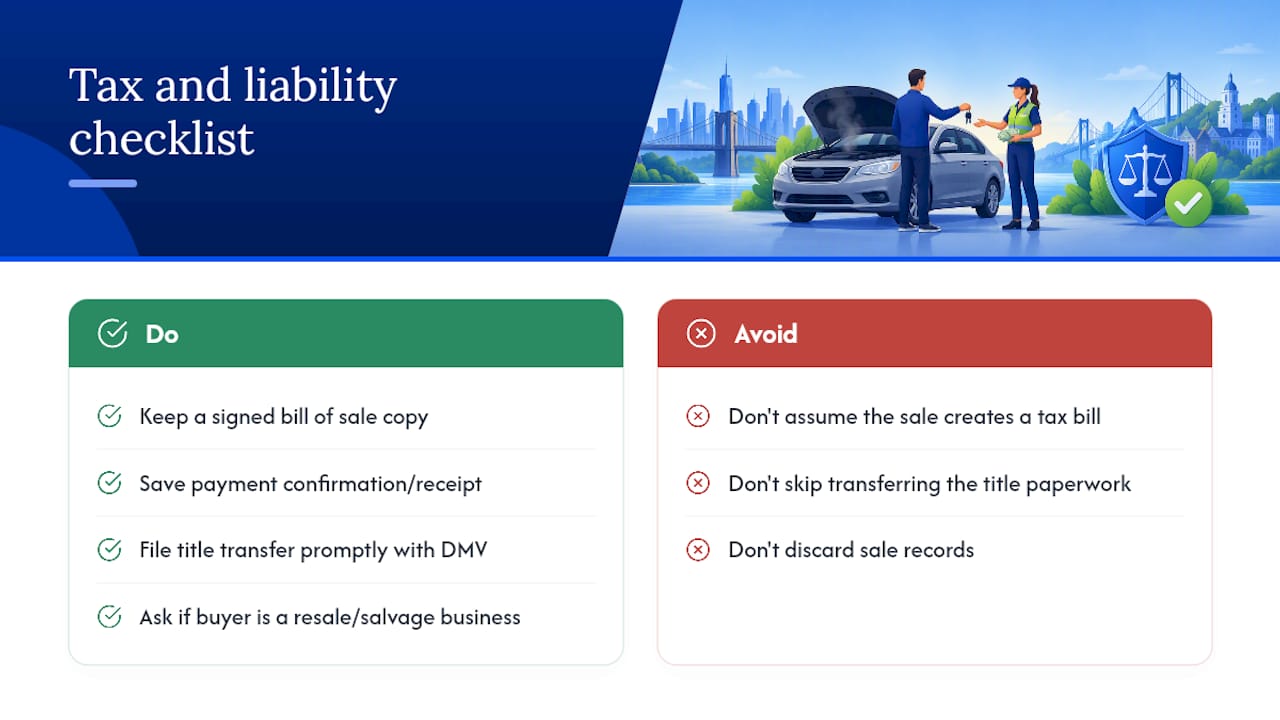
Selling a personal vehicle, even one that failed emissions, generally doesn’t create a tax bill for you as the seller. Personal vehicles almost always sell for less than their original purchase price, and a loss on the sale of personal-use property isn’t deductible, but it also isn’t taxable income.
Where taxes actually come into play is on the buyer’s side and in your recordkeeping. If you sell to a business that buys vehicles for resale or salvage, that transaction is between the buyer and their own state tax obligations, not yours. Your job as the seller is simpler: keep a copy of the signed bill of sale and any payment confirmation for your own records, in case a state ever asks you to prove the vehicle changed hands and you’re no longer liable for its registration, tolls, or parking tickets.
One liability worth watching: if you don’t formally transfer the title and notify your state’s motor vehicle agency of the sale, you could remain the vehicle’s registered owner on paper. That means future tickets, tolls, or even a lease-purchase default from the new owner could trace back to your name. Filing the transfer paperwork promptly at the time of sale is the single best protection against that risk, and it costs you nothing beyond a signature and a trip to submit the form.
If you have specific questions about how a sale affects your particular tax situation, a licensed tax professional familiar with your state is the right person to ask, not a general guide like this one.
Negotiating With a Cash Buyer or Dealer on a Failed Emissions Car
Negotiating from a position of knowledge beats negotiating from urgency. Before you talk numbers, know your car’s approximate resale or parts value, and know your repair estimate too, even if you have no intention of doing the repair.
- Get the failure code translated first. Knowing whether it’s a $150 sensor issue or a $1,500 converter problem tells you whether a low offer is fair or lowball.
- Get multiple offers before committing. A quick round of calls to two or three cash buyers gives you a real sense of market value in an afternoon.
- Don’t volunteer your bottom line. Let the buyer make the first offer, then counter based on what you know the car’s worth.
- Push for a guaranteed number, not a range. A buyer who won’t commit to a firm price before pickup is leaving room to lower it once they’re standing in your driveway.
- Use dealer trade-in quotes as leverage, not a final answer. A dealer’s trade-in number is often padded into the price of your next car, which makes it hard to compare directly. Ask for the trade-in value as a separate cash figure before you decide.
- Time the sale around your reinspection deadline. If you’re close to a reinspection window closing, mention it. Buyers who can move fast will match that urgency, and it gives you a reason to push for a quicker pickup date.
Donating or Auctioning a Car That Failed Emissions
Selling isn’t the only way to get rid of a failed-emissions vehicle. Two other paths worth knowing about are donation and auction, though both come with more friction than a direct cash sale.
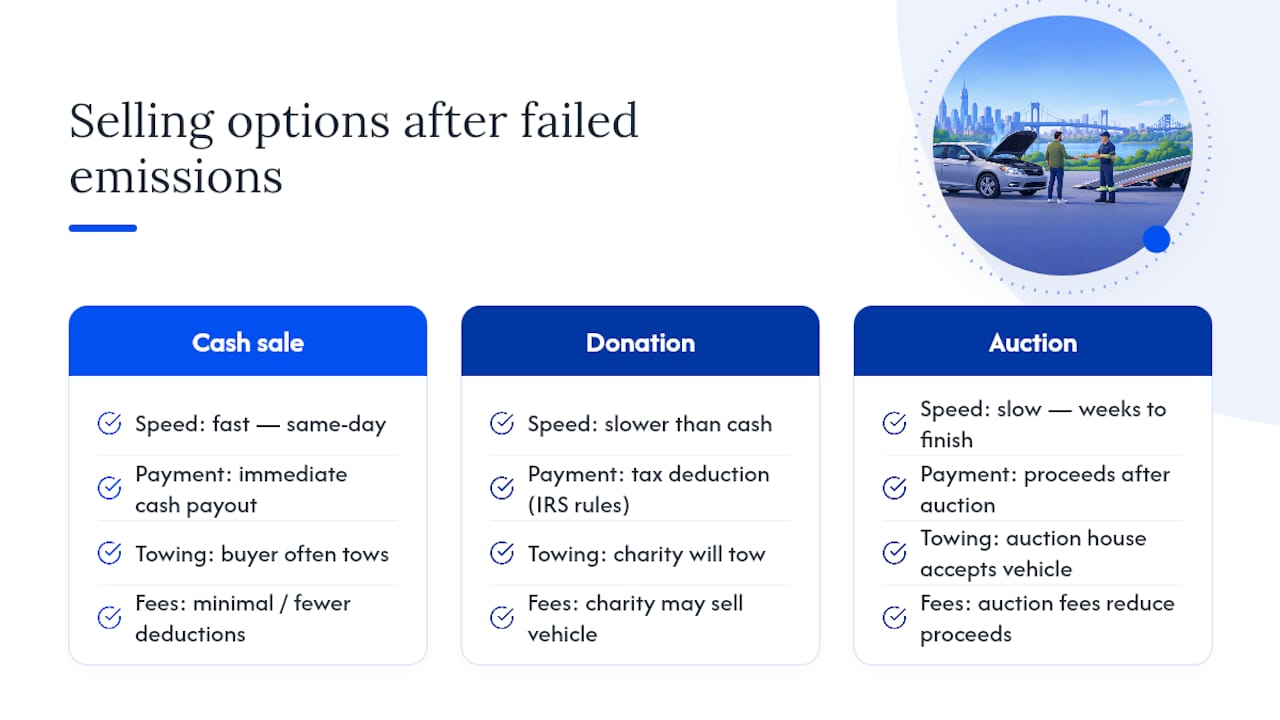
Donation works if the car has some residual value, running or not, and you’re comfortable trading a potential cash payout for a tax deduction. Most vehicle donation charities will still tow the car, similar to a cash buyer, but the deduction amount depends on IRS rules tied to how the charity uses or sells the vehicle, and it’s rarely equal to what a private buyer would pay. If tax benefit matters more to you than immediate cash, this is worth researching with a tax professional before committing.
Auction houses, including public and dealer-only wholesale auctions, will take a failed-emissions vehicle, but you typically need a dealer or auction license to access the best wholesale lanes directly. Consumer-facing online auction sites are an option, though you’re still responsible for disclosure, and auction fees eat into your final proceeds. Timelines run longer too. You’re waiting for the auction date, then waiting for payment processing, which can stretch a same-day cash sale into a multi-week process.
For most sellers dealing with an emissions failure and no interest in a charitable deduction, a direct cash sale still beats donation or auction on speed and simplicity. But if your goal is a write-off rather than a check, donation deserves a serious look.
Why I Recommend Selling As-Is More Often Than Repairing
Most sellers I talk to are torn between fixing the car and just being done with it. When the repair estimate is close to or above what the car would fetch after the fix, selling as-is almost always wins. I only recommend repair when the failure is minor and cheap, and the car still has years of use left in it. Whatever you choose, put the disclosure in writing and keep signed copies for yourself.
— Eric
Get a Cash Offer From Tri State Cash For Cars
If you’d rather skip the reinspection line, the DIY listing photos, and the back-and-forth with a dealer over trade-in value, there are services offering a direct path: a guaranteed cash offer at the price quoted, paid at pickup, with no repair required and no paperwork left for you to figure out on your own.
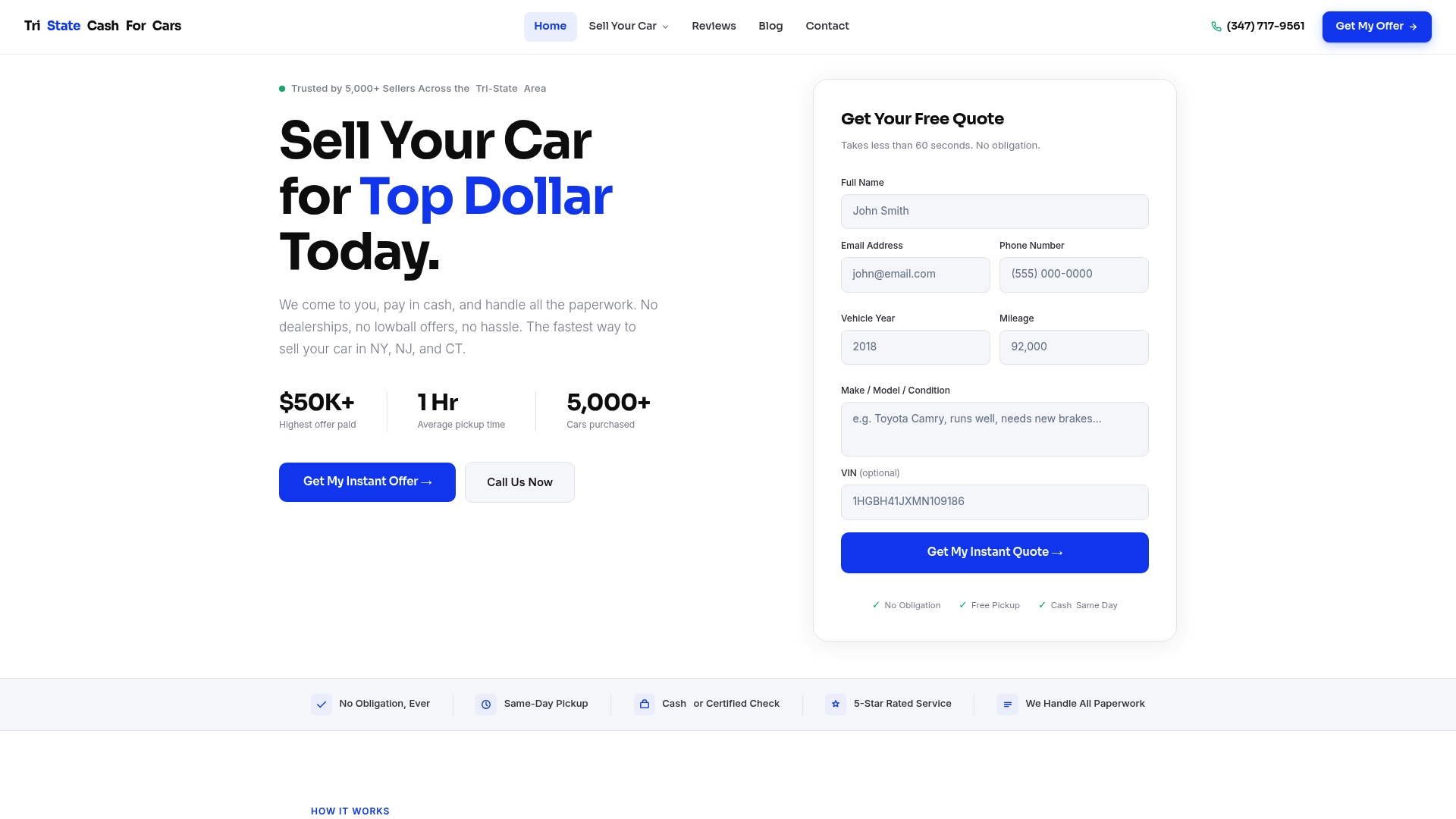
The process starts with a quick appraisal call where you describe your car and its failed emissions result honestly. From there, our team quotes a price, and that number holds through pickup, no last-minute renegotiation once we arrive. Have your title, a photo ID, and your Vehicle Inspection Report ready, and we’ll handle the bill of sale and title transfer paperwork on-site. Many sellers walk away with cash in hand within about an hour of our team arriving.
Ready to see what your failed-emissions vehicle is worth? Start your free quote and find out how fast a hassle-free sale can actually be. If you’re in Brooklyn or elsewhere in the NYC area, some local cash buyers offer same-day pickup after you accept an offer.
Where to Check Your State’s Emissions and Inspection Rules
- NY DMV inspections page: confirms inspection and proof requirements for New York vehicles.
- NJ MVC failed inspection guidance: explains reinspection windows and repair facility requirements.
- CT emissions statute: covers waiver eligibility and reinspection timelines.
- NJDEP Stop the Soot: offers OBD-II troubleshooting help and a repair facility locator.
Sources
- About New York State Inspections | NY DMV
- NJ MVC | What If My Vehicle Failed Inspection?
- Chapter 246a – Motor Vehicle Emissions (CT statute)
- NJDEP | Stop the Soot | OBD II Information and Assistance
FAQ
Can I Legally Sell a Car That Failed Emissions?
Yes, you can sell a car that failed emissions in every tri-state state as long as you disclose the failed result in writing and provide a copy of the Vehicle Inspection Report. Selling as-is is common practice for cash buyers and private sales alike, provided the paperwork is honest.
How Fast Can I Get Paid Selling to a Cash Buyer?
Some cash buyers complete appraisal, pickup, and payment in a single visit, with many sellers receiving cash within about an hour of the team’s arrival. Compare that to a private sale, which can take days or weeks depending on buyer interest.
Do I Need to Repair the Car Before Selling It?
No, repair isn’t required if you’re selling as-is to a cash buyer or a private buyer who accepts the disclosed condition. Repair only makes financial sense when the fix is inexpensive relative to the reinspection deadline and the car’s resale value.
What Documents Do I Need to Sell a Failed Emissions Car?
You’ll need the title, your photo ID, the Vehicle Inspection Report, and a completed bill of sale disclosing the failed result. If there’s a lien, get the payoff amount from your lender before the sale to avoid delays.
Will a Failed Emissions Test Lower My Car’s Value?
Yes, a failed emissions result typically lowers offers because buyers factor in the repair cost or reduced resale value. The size of the impact depends on the specific failure, a minor sensor issue affects value far less than a catalytic converter or emissions module problem.