Best Way to Sell a Car Privately in New Jersey
TL;DR:
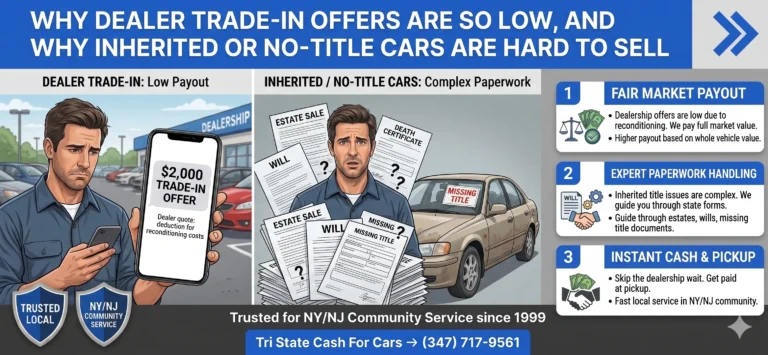
- Selling a car privately usually yields 10% to 25% more value than trading it in at a dealer.
- A methodical process involving preparation, accurate pricing, multi-platform listing, buyer screening, and complete paperwork guarantees better results.
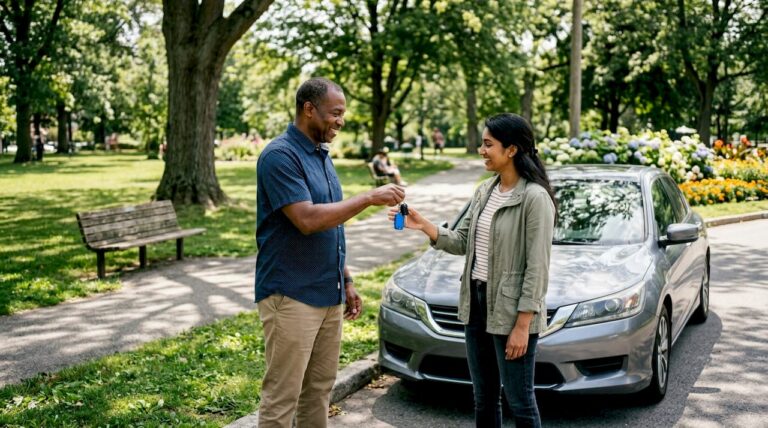
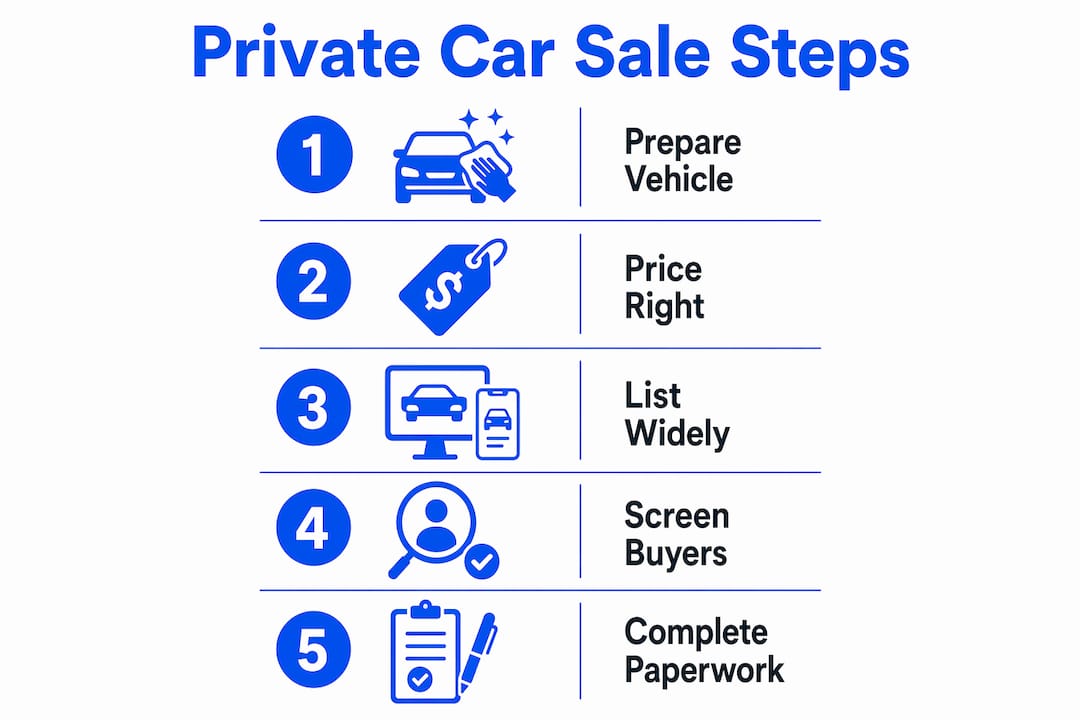
Selling a car privately is defined as transferring vehicle ownership directly to a buyer without involving a dealership or trade-in program. This method consistently yields 10% to 25% more value than a dealer trade-in. On a $20,000 vehicle, that gap translates to $2,000 to $5,000 in your pocket. The best way to sell a car privately requires six coordinated steps: preparation, accurate pricing, effective listing, buyer screening, safe meetings, and clean paperwork. Skip any one of them and you risk leaving money on the table or exposing yourself to legal liability after the sale.
What is the best way to sell a car privately?
The answer is a methodical process, not a single trick. Sellers who follow each step in order close faster, earn more, and avoid the post-sale headaches that catch unprepared sellers off guard. The private car sale process works best when you treat it like a business transaction from the first day to the moment you hand over the keys.
How to prepare your car before listing it
Preparation is where most sellers either win or lose the negotiation before it starts.
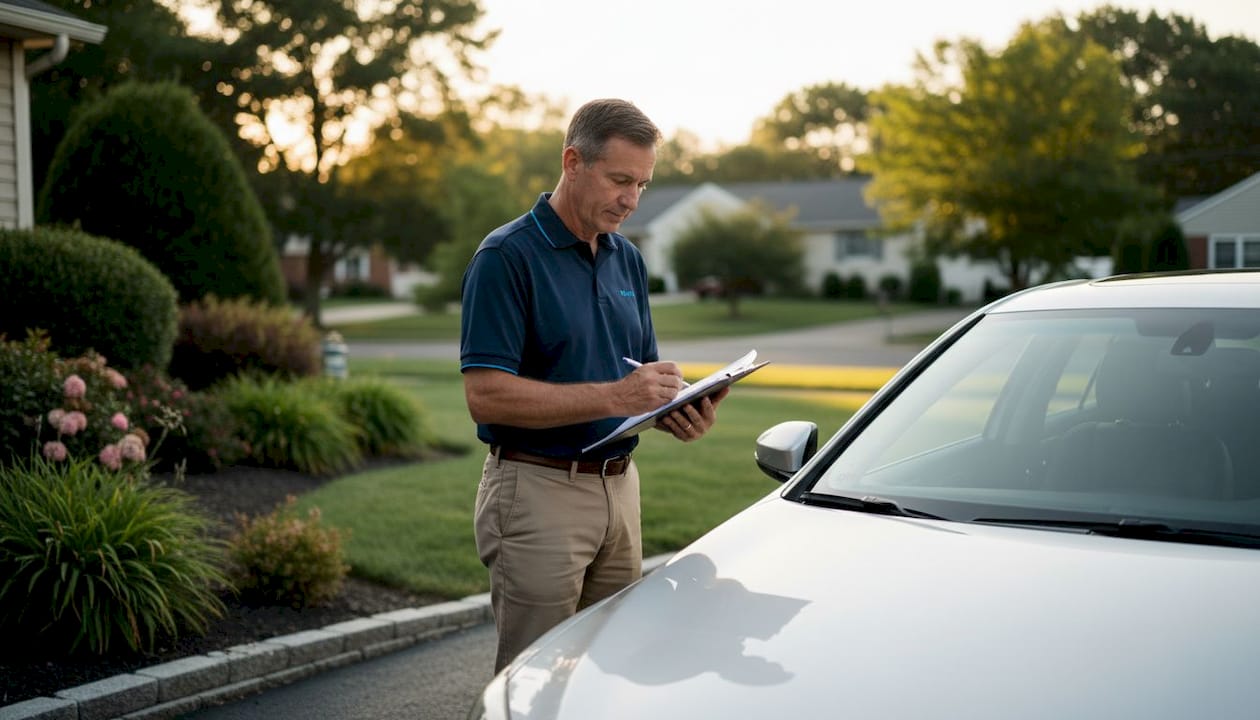
A basic hand wash and vacuum costs $30–$35 and significantly improves perceived condition. Clean cars photograph better, and better photos attract higher opening offers. That $35 investment is one of the highest-return moves available to any private seller.
Beyond cleaning, address minor cosmetic issues. Replace a cracked windshield wiper, touch up a door ding, and clean the engine bay with a damp cloth. These fixes cost little but signal to buyers that the car has been cared for. Buyers use visible neglect to justify lowball offers.
Gather your documents before you post a single photo:
- Clear title (lien-free or with a payoff letter from your lender)
- Maintenance records (oil changes, tire rotations, major repairs)
- Vehicle history report (pull one from a recognized provider using your VIN)
- Odometer disclosure (required in most states, including New Jersey)
- Duplicate title if the original is lost (request from the New Jersey Motor Vehicle Commission)
Pro Tip: Run your VIN through the National Motor Vehicle Title Information System (NMVTIS) before listing. Buyers will check it anyway, and knowing your report puts you in a stronger negotiating position.
How to price your car to attract serious buyers
Price is the single variable that controls how fast your phone rings.
Anchor your price to Kelley Blue Book private-party values and local listings for the same make, model, year, and trim. Never anchor to what you paid for the car. The market does not care about your purchase price. It cares about current supply, demand, and condition.
Set your asking price 5% to 10% above your true minimum. That gap gives you room to negotiate without dropping below your floor. Listing at your absolute bottom leaves you nowhere to go when a buyer counters, and every serious buyer will counter.
Adding “OBO” (or best offer) to your listing can approximately double inquiry volume, though it typically lowers opening offers by 5–8%. The net effect usually favors using OBO for faster engagement, especially on vehicles priced above $10,000 where buyers expect to negotiate.
Two pricing mistakes to avoid:
- Overpricing by more than 15% above market comps causes your listing to age. Stale listings signal problems to buyers even when none exist.
- Underpricing to sell fast often attracts low-quality buyers and leaves real money behind. Patience in the first two weeks pays off.
Where and how to list your car for maximum exposure
Listing on a single platform is the most common mistake in the private car sale process.

Top marketplaces include Facebook Marketplace, Craigslist, Cars.com, and AutoTrader. Free platforms like Facebook Marketplace and Craigslist generate high volume. Paid platforms like AutoTrader attract buyers actively searching with specific criteria, which leads to faster sales for higher-priced vehicles. Use both categories together for the best reach.
Photos make or break your listing. Follow this sequence when shooting:
- Wash the car the morning of the shoot and park it in open shade, not direct sunlight.
- Shoot all four exterior corners, both sides, the front grille, and the rear.
- Photograph the interior from both front seats, the back seat, the trunk, and the dashboard.
- Capture the odometer reading, the engine bay, and any existing damage honestly.
- Use at least 15 photos. Listings with more images get significantly more clicks.
Write your description with every fact a buyer needs: year, make, model, trim, mileage, transmission type, fuel type, accident history, recent repairs, and asking price. Honest descriptions filter out tire-kickers and build trust with serious buyers before they ever contact you.
Pro Tip: Never include your full home address in a listing. Use a nearby landmark or your ZIP code instead. This protects your privacy and filters out buyers who are not serious enough to ask for a meeting location directly.
For New Jersey sellers, noting your county or a major highway intersection is enough geographic context to attract local buyers without exposing your address.
How to screen buyers and meet safely
Not every inquiry is a real buyer. Screen messages for realistic questions, credible profiles, and willingness to meet in person. A buyer who asks about the car’s service history is serious. A buyer who immediately offers to send a cashier’s check and arrange shipping without seeing the car is not.
Red flags to cut off immediately:
- No profile photo or a brand-new account with no history
- Requests to pay via wire transfer, Zelle, or gift cards
- Offers above your asking price with a complicated payment story
- Buyers who refuse to meet in person or ask you to ship the vehicle
“The safest meeting spot for a private car sale is a police department parking lot. Many New Jersey police departments designate these areas specifically as ‘safe exchange zones’ for transactions between strangers. The presence of cameras and officers deters fraud and protects both parties.”
Bring a friend to every meeting. Verify the buyer’s driver’s license before the test drive and hold it while they drive. Ride along and keep the route to familiar local roads. Never let a buyer take the car alone, regardless of how trustworthy they seem.
How to handle payment and complete the paperwork
This is where private sales go wrong most often, and the consequences can follow you for months.
Most states, including New Jersey, require a signed title transfer with odometer reading, a bill of sale, and a release-of-liability form to legally complete a private car sale. Missing any one of these documents can void the sale or leave you exposed to liability for the buyer’s future actions with the vehicle.
Follow this sequence at the point of sale:
- Accept cash or a cashier’s check only. For cashier’s checks over $2,500, meet the buyer at the issuing bank to confirm the check is valid before signing anything.
- Never accept personal checks or unverified money orders.
- Sign the title in the buyer’s presence with all required fields completed: odometer reading, sale date, buyer’s full name, and your signature.
- Complete a bill of sale and keep a signed copy for your records.
- File the New Jersey release-of-liability form with the Motor Vehicle Commission promptly after the sale.
Failing to file the release-of-liability is the most common reason sellers receive tickets or accident notices weeks after a sale. New Jersey DMV filings are typically due within a short window post-sale. File the same day if possible.
| Step | Action required |
|---|---|
| Title transfer | Sign with odometer reading and buyer’s full name |
| Bill of sale | Complete two copies; both parties sign and keep one |
| Release of liability | File with New Jersey MVC immediately after sale |
| License plates | Remove before the buyer drives away |
| Insurance | Cancel or transfer your policy the same day |
Remove your license plates before the buyer leaves. New Jersey law requires sellers to retain their plates. Cancel or transfer your insurance the same day to avoid paying for a car you no longer own.
Key Takeaways
The best way to sell a car privately combines thorough preparation, market-anchored pricing, multi-platform listing, careful buyer screening, and complete paperwork filed on the same day as the sale.
| Point | Details |
|---|---|
| Preparation pays off | A $30–$35 wash and vacuum improves photos and buyer perception, raising final offers. |
| Price to the market | Anchor to Kelley Blue Book private-party values, not your original purchase price. |
| List on multiple platforms | Combining free and paid platforms maximizes reach and attracts serious buyers faster. |
| Screen every buyer | Reject anyone who avoids in-person meetings, offers above asking, or requests unusual payment. |
| File paperwork immediately | Submit the New Jersey release-of-liability form the same day to avoid post-sale liability. |
What I have learned from watching sellers get this wrong
Most sellers I have seen lose money in one of two places: the preparation phase or the paperwork phase. They skip the $35 car wash because it feels trivial, then watch a buyer use a dirty interior to knock $500 off the price. That is a 1,400% return on a cleaning investment, left on the table.
The paperwork mistake is more serious. Sellers who pre-sign the title before meeting the buyer, or who forget to file the release-of-liability, have received parking tickets and even accident-related notices months after the sale. New Jersey is not forgiving about this. The vehicle is still legally connected to you until the state processes that form.
My honest advice: treat the release-of-liability filing like it is part of the sale itself, not an afterthought. And never hand over a signed title until cash or a verified cashier’s check is physically in your hand. The steps to sell a car privately are not complicated, but they require discipline at every stage. Sellers who skip steps do not save time. They create problems that cost far more to fix than the steps would have taken.
The other thing most articles will not tell you: patience in the first two weeks is a strategy. The buyers who contact you in the first 48 hours are often the most aggressive negotiators. Serious buyers who do their research take a few days. Hold your price for at least a week before adjusting.
— Eric
Tristatecashforcars: a faster path when private sales are not the right fit
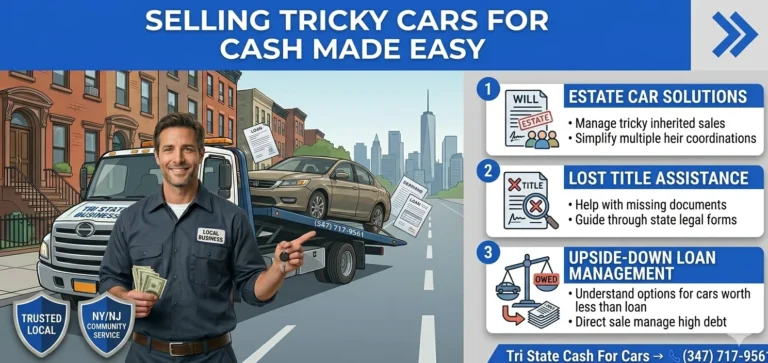
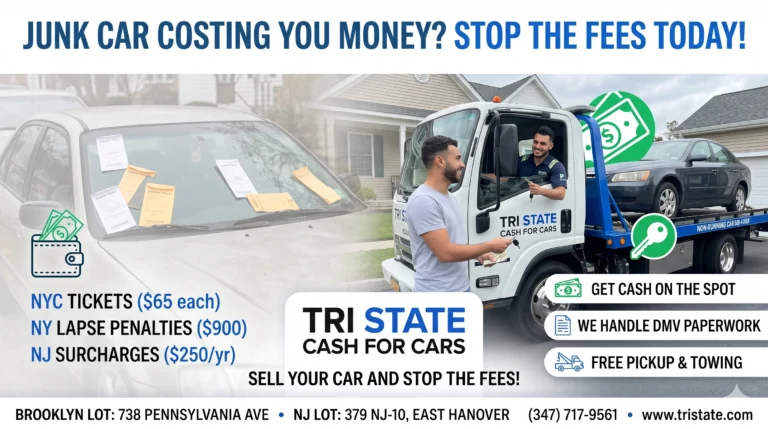
Private sales deliver the highest returns, but they take time and effort. If you need cash quickly or want to skip the screening and paperwork process entirely, Tristatecashforcars offers a direct alternative for New Jersey sellers.
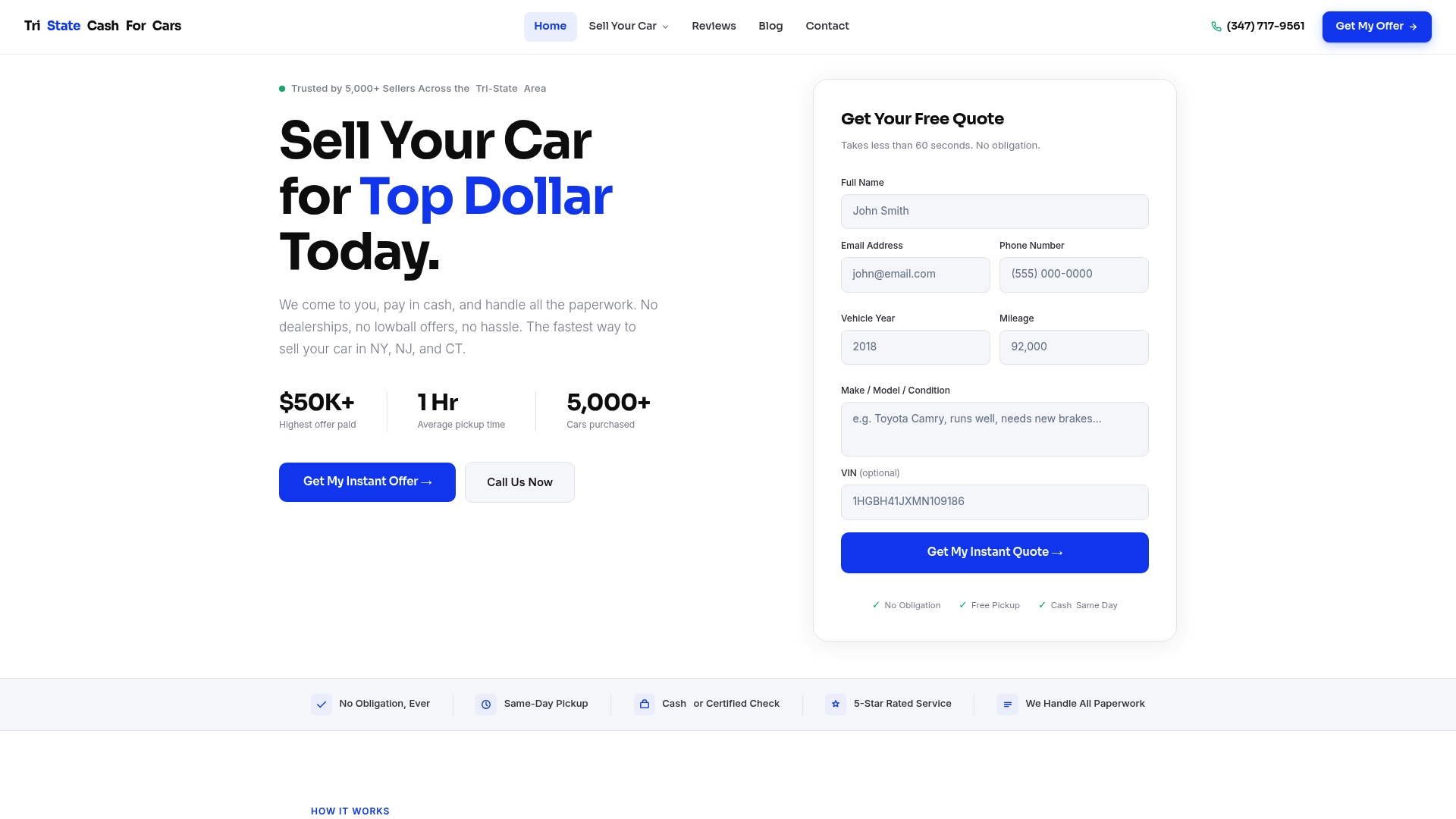
Tristatecashforcars sends a team to your location, provides a cash offer on the spot, and handles all the paperwork. The offer they quote is the amount you receive at pickup, with no last-minute changes. For sellers who need fast cash for their car or simply want to avoid the complexity of a private sale, this is a practical option worth knowing about. You can also compare your selling options to decide which method fits your timeline and financial goals.
FAQ
How much more can I get selling privately vs. trading in?
Private sales typically yield $2,000 to $5,000 more on a $20,000 vehicle compared to a dealer trade-in. That represents a 10% to 25% value advantage for sellers willing to manage the process themselves.
What documents do I need to sell my car privately in New Jersey?
You need a clear title, a completed bill of sale, an odometer disclosure, and a New Jersey release-of-liability form filed with the Motor Vehicle Commission after the sale.
What is the safest way to accept payment in a private car sale?
Cash is the safest option. For cashier’s checks over $2,500, verify the check at the issuing bank before signing the title or handing over the keys.
Should I list my car on multiple platforms?
Yes. Combining free platforms like Facebook Marketplace and Craigslist with paid platforms like AutoTrader maximizes exposure and attracts both high-volume and high-intent buyers simultaneously.
What happens if I forget to file the release-of-liability after the sale?
Failing to file leaves you legally connected to the vehicle. You can receive parking tickets, toll violations, or accident-related notices for a car you no longer own until the state processes the form.