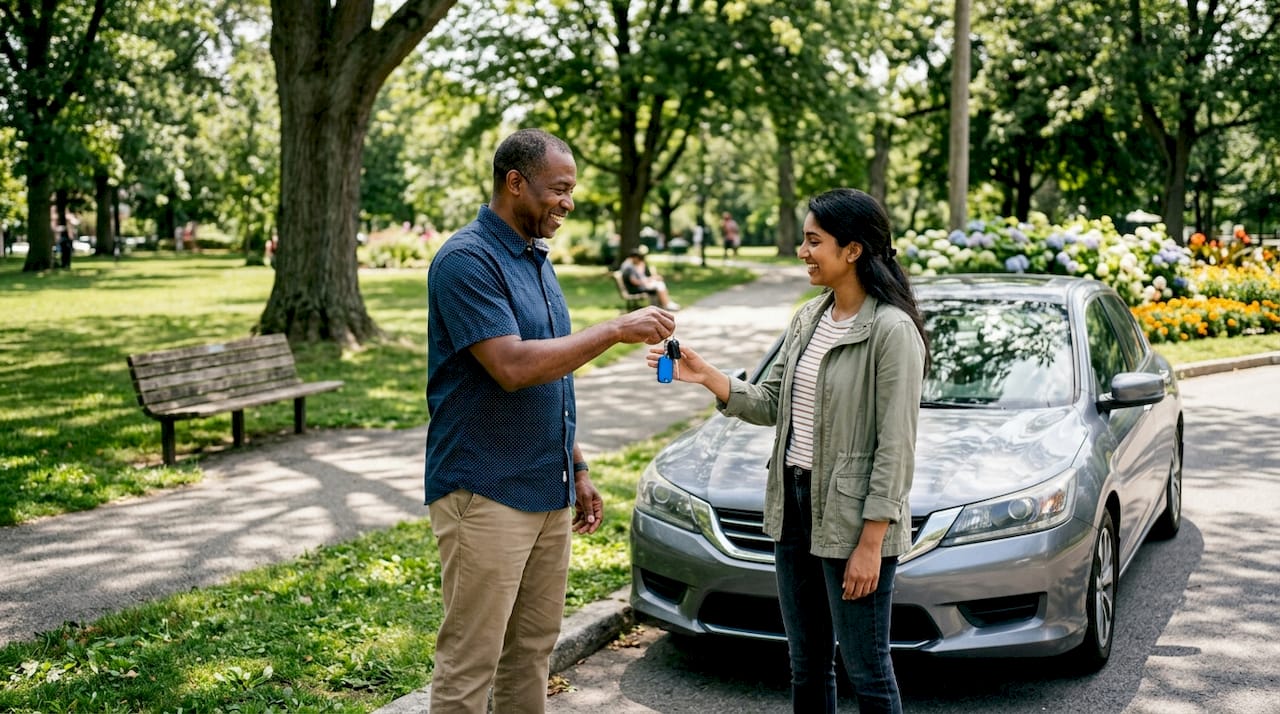
How to Sell a Car Privately in NJ: 2026 Guide
TL;DR:
- Selling a car privately in New Jersey involves transferring the title, submitting a Notice of Transfer within 10 days, and surrendering plates within five days to avoid liability. Proper documentation and secure payment methods are essential to ensure a profitable and lawful transaction. Failing to complete these steps increases the risk of post-sale legal issues or financial loss.
Selling a car privately in New Jersey is a legal process that requires a signed title, odometer disclosure, and a Notice of Transfer submitted to the NJ Motor Vehicle Commission within 10 days of the sale. Get these steps wrong and you stay liable for tickets, tolls, and violations the buyer racks up after the car leaves your driveway. The private car sale process takes planning, but sellers who follow the correct sequence consistently walk away with more money than those who rush to a dealership. This guide covers every required document, preparation strategy, and post-sale obligation you need to complete a clean, profitable transaction.
What legal documents do you need for a private car sale in NJ?
The title is the foundation of every private car sale in New Jersey. You must hold a clear title in your name before you list the vehicle. If a lender still holds a lien, NJ’s electronic lien system means the lender may hold the title digitally. You must obtain a physical lien release letter on official letterhead before you can transfer ownership to a buyer.
Here are the core documents required for a complete private sale:
- Vehicle title: Signed by the seller on the back, with no corrections or white-out. Any error voids the transfer.
- Odometer disclosure: Required by federal law for vehicles under 10 years old. This is typically printed on the back of the title itself.
- Bill of sale: Not legally required in New Jersey, but strongly recommended. It records the sale price, date, and both parties’ information.
- Notice of Transfer and Release of Liability: Submit this free form through the NJ MVC website within 10 days of the sale. Failing to submit it leaves you legally connected to the vehicle.
- Lien release letter: Required if your car carries an active lien. Coordinate with your lender early, because lien release delays are one of the most common reasons private sales stall.
| Document | Required? | Notes |
|---|---|---|
| Signed vehicle title | Yes | No corrections permitted |
| Odometer disclosure | Yes (under 10 years) | Usually on back of title |
| Bill of sale | Recommended | Protects both parties |
| Notice of Transfer | Yes | Submit within 10 days via NJ MVC |
| Lien release letter | If applicable | Must be on official letterhead |
Pro Tip: Request your lien release from your lender the moment you decide to sell. Processing can take one to two weeks, and you cannot legally transfer the title without it.
How do you prepare your car to get the best private sale price?
Presentation directly affects how much money you walk away with. Investing $150–$300 in professional detailing can increase your final sale price by $500–$1,000. That is a return most financial decisions cannot match. A clean car signals to buyers that the vehicle was well maintained, which reduces their negotiating leverage.
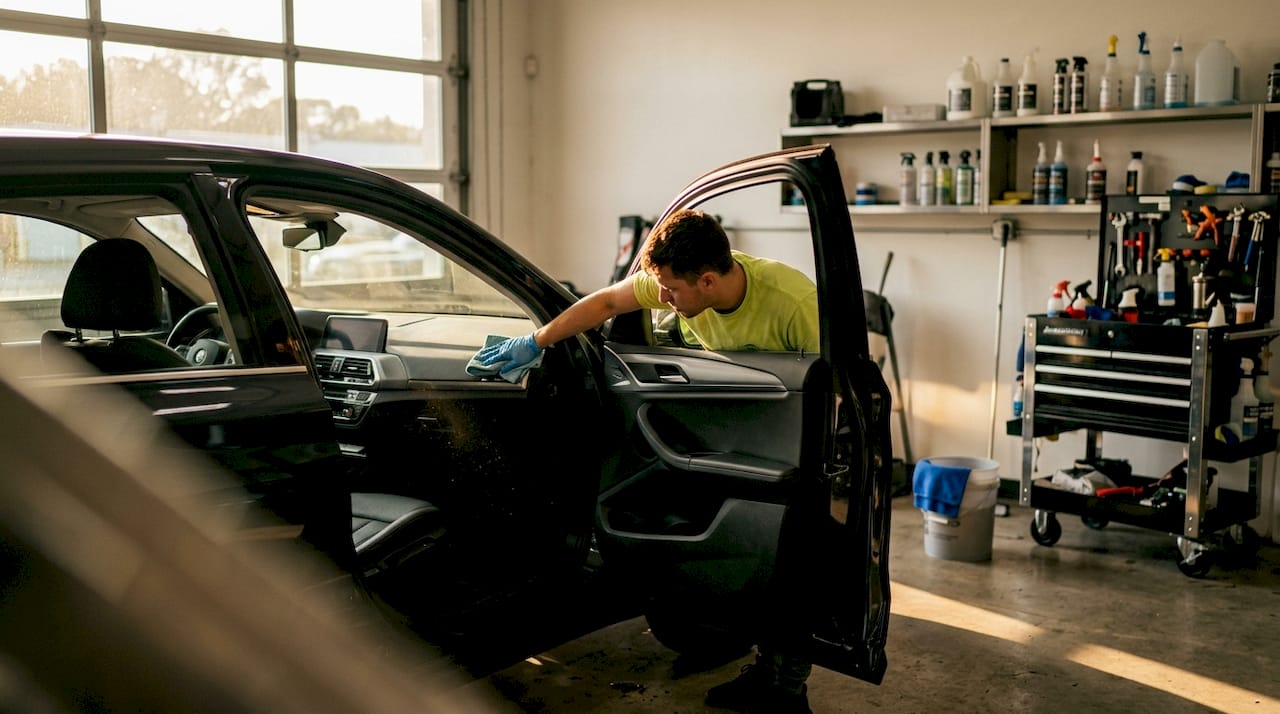
Beyond detailing, gather every maintenance and repair record you have. Buyers pay more for documented service history because it removes uncertainty. A folder with oil change receipts, tire rotations, and inspection records tells a story of responsible ownership. You can find more preparation strategies in Tristatecashforcars’ step-by-step selling guide.
When listing your car, use platforms with strong reach in the New Jersey and New York metro area. Facebook Marketplace and Cars.com both attract local buyers actively searching in your zip code. Your listing should include:
- At least 10 clear photos taken in daylight, covering all four exterior angles, the interior, dashboard, engine bay, and any existing damage
- The vehicle’s year, make, model, trim level, mileage, and VIN
- A factual description of condition, including any known issues
- Your asking price, set slightly above your minimum to leave room for negotiation
Pro Tip: Write “sold as-is” in your listing description from day one. This sets buyer expectations before the first phone call and reduces time wasted on buyers looking for a warranty.
How do you screen buyers and handle payment safely?
Unverified payment is the single biggest risk in any private car sale. Accepting only cash, cashier’s checks verified at the issuing bank, or wire transfers eliminates the most common scams. Personal checks and money orders are not safe. A cashier’s check can be counterfeited convincingly enough to fool an untrained eye.
Screen every buyer before agreeing to a showing. Ask direct questions: Are you financing or paying cash? When are you ready to buy? A serious buyer answers both questions clearly. Vague responses or pressure to move fast are red flags worth acting on.
“Never sign the title over to a buyer until payment has fully cleared. For wire transfers, confirm with your bank that funds are available in your account. For cashier’s checks, walk into the issuing bank with the buyer and verify the check at the teller window before handing over any keys.”
For in-person showings, meet in a public, well-lit location during daylight hours. A busy parking lot or a police station’s designated safe exchange zone works well. Bring a friend if possible. Allow a test drive only after seeing a valid driver’s license, and ride along every time.
Pro Tip: For transactions above $5,000, suggest meeting at the buyer’s bank. The buyer can get a cashier’s check issued on the spot, and you can verify it with a teller before signing anything.
How do you complete the title transfer and protect yourself after the sale?
The title transfer is where most sellers make costly mistakes. Fill out the seller’s section on the back of the title in one sitting, using blue or black ink, with no corrections. Write the sale price, odometer reading, date, and your signature exactly as they appear on the front of the title. One crossed-out word can force you to apply for a duplicate title, which costs time and money.
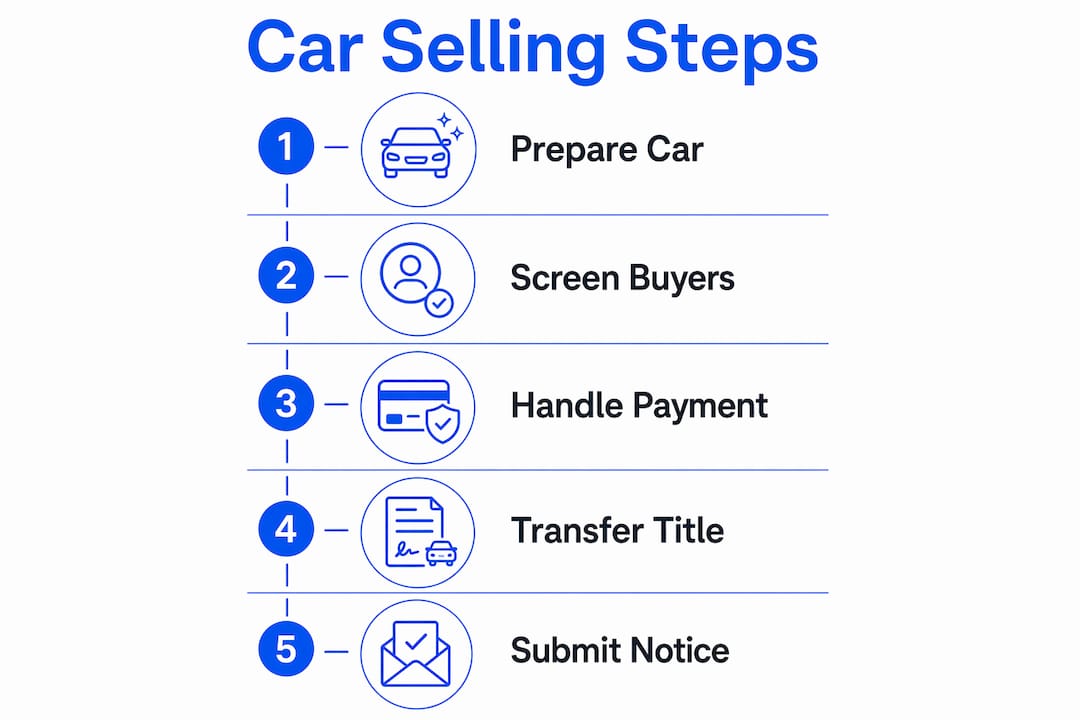
Follow these steps in order on the day of sale:
- Collect full payment and verify it using one of the approved methods above.
- Sign the title over to the buyer only after payment clears.
- Remove your NJ license plates from the vehicle before the buyer drives away.
- Give the buyer a signed bill of sale and a copy for your records.
- Submit the Notice of Transfer and Release of Liability through the NJ MVC website within 10 days.
- Surrender your plates to the NJ MVC or transfer them to another vehicle within 5 days.
- Keep your plate surrender receipt permanently.
| Step | Deadline | Consequence of missing it |
|---|---|---|
| Submit Notice of Transfer | 10 days after sale | Ongoing liability for buyer’s violations |
| Surrender or transfer plates | 5 days after sale | Liability for tickets and tolls |
| Buyer registers vehicle | 10 business days | Buyer pays $25 penalty |
Failing to surrender NJ license plates after the sale is the most common post-sale mistake sellers make. Your plate surrender receipt is the only concrete proof that you are no longer responsible for the vehicle. Keep it with your sale records indefinitely.
What are the most common problems in NJ private car sales?
Private car sales in New Jersey take roughly 10–15 hours of seller time and can take up to 8 weeks from listing to final transaction. Most delays come from paperwork problems that sellers could have resolved before listing. Knowing the common pitfalls in advance cuts that timeline significantly.
- Lost title: Apply in person at an NJ MVC agency using Form OS/SS-UTA and pay the $60 duplicate title fee. Mail-in processing takes 8–12 weeks. In-person appointments are faster. Do not list the car until you hold the duplicate title in hand.
- Active lien: Contact your lender immediately. Electronic lien systems in New Jersey mean your lender may hold the title digitally. You need a physical lien release letter on official letterhead before any transfer can happen.
- Buyer disputes after sale: Writing “as-is” on your bill of sale and in your listing protects you from claims about mechanical defects discovered after the sale. Without this disclosure, buyers have more grounds to pursue you.
- Ongoing liability: If you skip the Notice of Transfer or forget to surrender your plates, you remain legally tied to the vehicle. Monitor your records and confirm the NJ MVC processed your Notice of Transfer submission.
Pro Tip: Photograph the odometer, the completed title, and the buyer’s driver’s license before handing over the keys. These photos take 60 seconds and can resolve disputes that might otherwise take months.
For situations involving titles with complications, Tristatecashforcars has a detailed resource on selling vehicles with title issues that covers edge cases the standard MVC guides do not address.
Key Takeaways
Selling a car privately in New Jersey requires completing the title transfer, submitting the Notice of Transfer within 10 days, and surrendering your license plates within 5 days to fully protect yourself from post-sale liability.
| Point | Details |
|---|---|
| Title and lien first | Resolve any lien and hold a clear title before listing your vehicle. |
| Detailing pays off | Spending $150–$300 on detailing can return $500–$1,000 in added sale price. |
| Payment verification | Accept only cash, verified cashier’s checks, or wire transfers to avoid scams. |
| Submit Notice of Transfer | File with NJ MVC within 10 days or remain liable for the buyer’s violations. |
| Surrender plates promptly | Remove and surrender plates within 5 days and keep the receipt as legal proof. |
What I have learned from watching sellers get this wrong
After seeing dozens of private car sales go sideways, the pattern is almost always the same. Sellers focus on the listing and the negotiation, then treat the paperwork as an afterthought. That is exactly backwards.
The title and lien situation should be resolved before you take a single photo of the car. I have watched sellers lose buyers because they could not produce a clean title at closing. The buyer moved on, and the seller spent another month waiting for a lien release. That delay is entirely avoidable.
The detailing investment is the one piece of advice sellers consistently resist. They think a clean car is a clean car. It is not. A professionally detailed vehicle photographs differently, smells different, and creates a different emotional response in a buyer standing next to it. That response translates directly into a higher offer and less negotiating friction.
The payment step is where sellers get nervous and make mistakes. They want the deal done, so they accept a check and hand over the keys. Do not do this. The 30 minutes it takes to verify a cashier’s check at a bank is the cheapest insurance you will ever buy. I have seen sellers lose thousands of dollars to counterfeit cashier’s checks that looked completely legitimate.
Finally, the plates. Sellers forget them constantly. They are excited the sale is done, the buyer drives away, and the plates are still on the car. Three months later, there is a toll violation or a parking ticket tied to a vehicle they no longer own. Keep a checklist on your phone. Remove the plates before the buyer starts the engine.
— Eric
Tristatecashforcars: a faster path for NJ sellers
Private sales deliver the highest price, but they demand significant time and effort. If you want a fair cash offer without the weeks of listings, showings, and paperwork, Tristatecashforcars serves New Jersey and the broader New York metro area with a straightforward alternative.
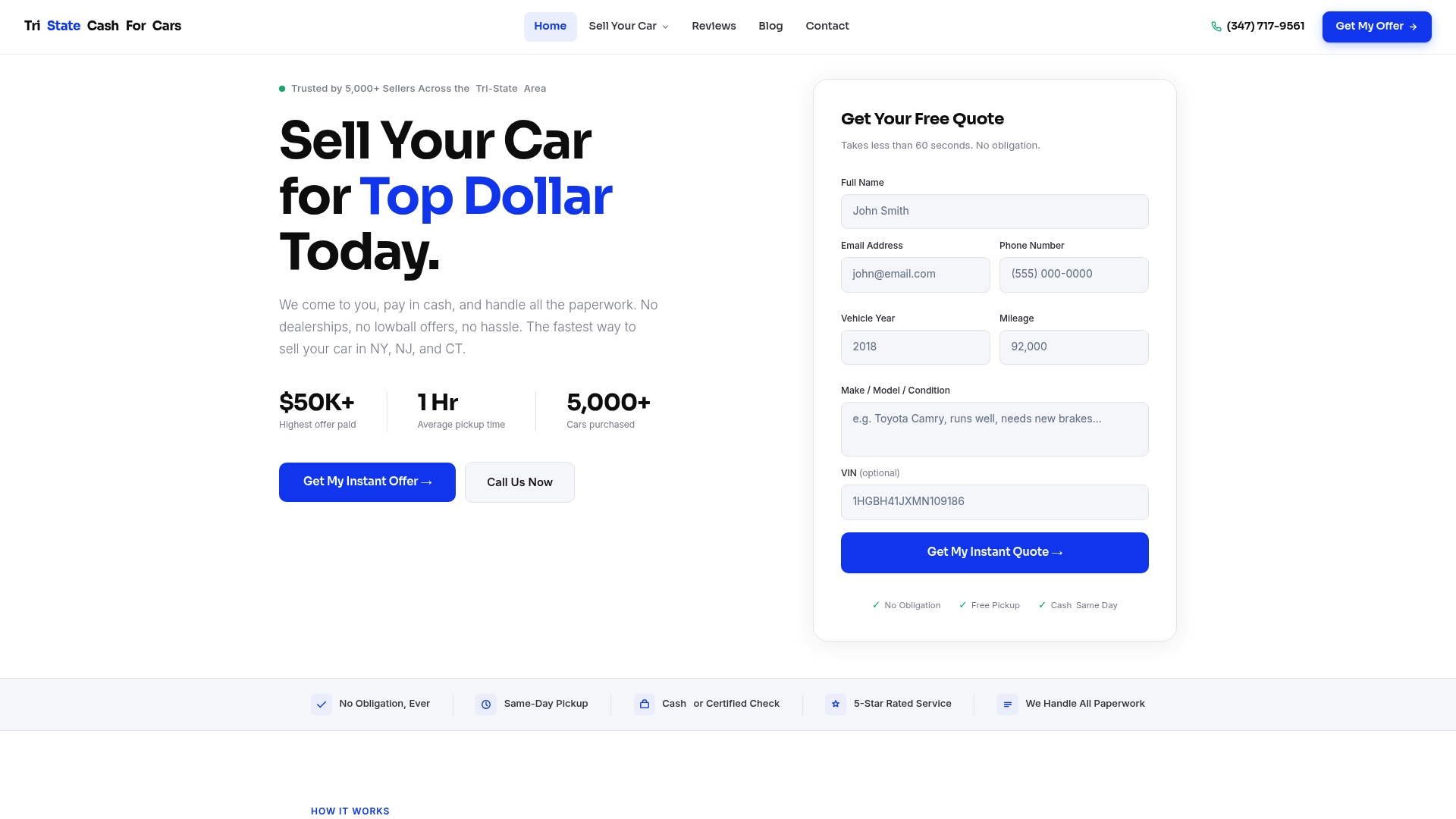
Tristatecashforcars sends a team to your location, provides a guaranteed cash offer, and handles all the paperwork on the spot. The offer they quote is the amount you receive at pickup, with no last-minute reductions. Sellers in the region regularly complete the entire transaction in under an hour. Whether you are in New Jersey or looking for cash for cars in Brooklyn, the process is the same: one call, one visit, cash in hand. For sellers who want to compare all available options before deciding, Tristatecashforcars also publishes a full breakdown of selling approaches to help you choose the right path.
FAQ
What documents do I need to sell my car privately in NJ?
You need a signed vehicle title, odometer disclosure for vehicles under 10 years old, and a completed Notice of Transfer submitted to the NJ MVC within 10 days. A bill of sale is strongly recommended but not legally required.
How do I submit the Notice of Transfer in New Jersey?
Submit the Notice of Transfer and Release of Liability for free through the NJ MVC website within 10 days of the sale. Failing to submit it leaves you legally liable for any violations the buyer incurs.
What happens to my license plates when I sell my car in NJ?
NJ license plates stay with the seller, not the vehicle. Remove them before the buyer drives away, then surrender or transfer them to another vehicle within 5 days. Keep your surrender receipt as proof of release from liability.
How do I get a duplicate title if I lost mine?
Apply in person at an NJ MVC agency using Form OS/SS-UTA and pay the $60 fee. Mail-in processing takes 8–12 weeks, so an in-person appointment is the faster option. You cannot legally sell the vehicle until you hold the duplicate title.
What is the safest way to accept payment in a private car sale?
Accept only cash, cashier’s checks verified at the issuing bank, or wire transfers. Never sign the title over until payment has fully cleared and you have confirmed the funds with your bank.