NJ Car Sale: Remove Plates Today, Transfer or Surrender by Day Five
In New Jersey you must remove and either transfer or surrender your license plates when you sell a vehicle, unless you’re moving them to another same-class vehicle registered in your own name. Surrender promptly, at an MVC agency, a plate drop box, or by mail. Sign the title, hand the buyer a bill of sale, and keep your plate-surrender receipt.
TL;DR:
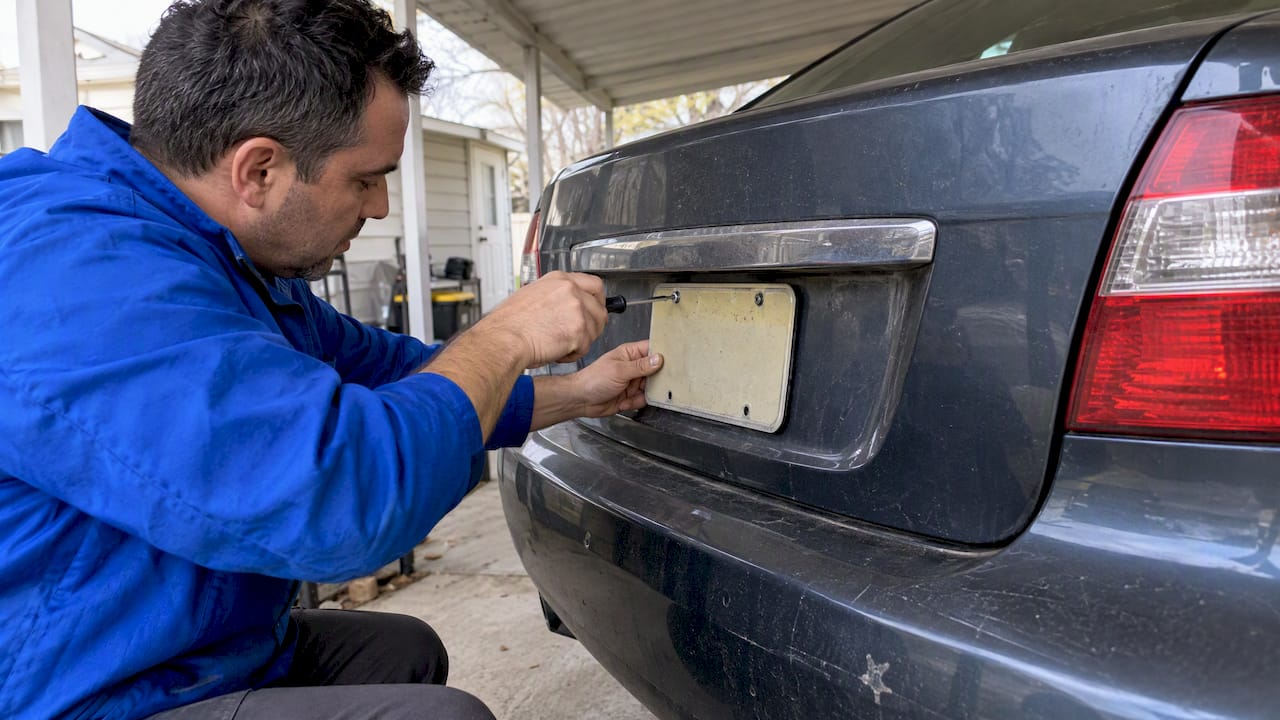
- Before the buyer takes possession, sign the title with the sale date and odometer reading, provide a bill of sale, and remove both plates.
- For immediate proof of surrender, hand plates to MVC staff and request a receipt; drop boxes and mail return receipts later.
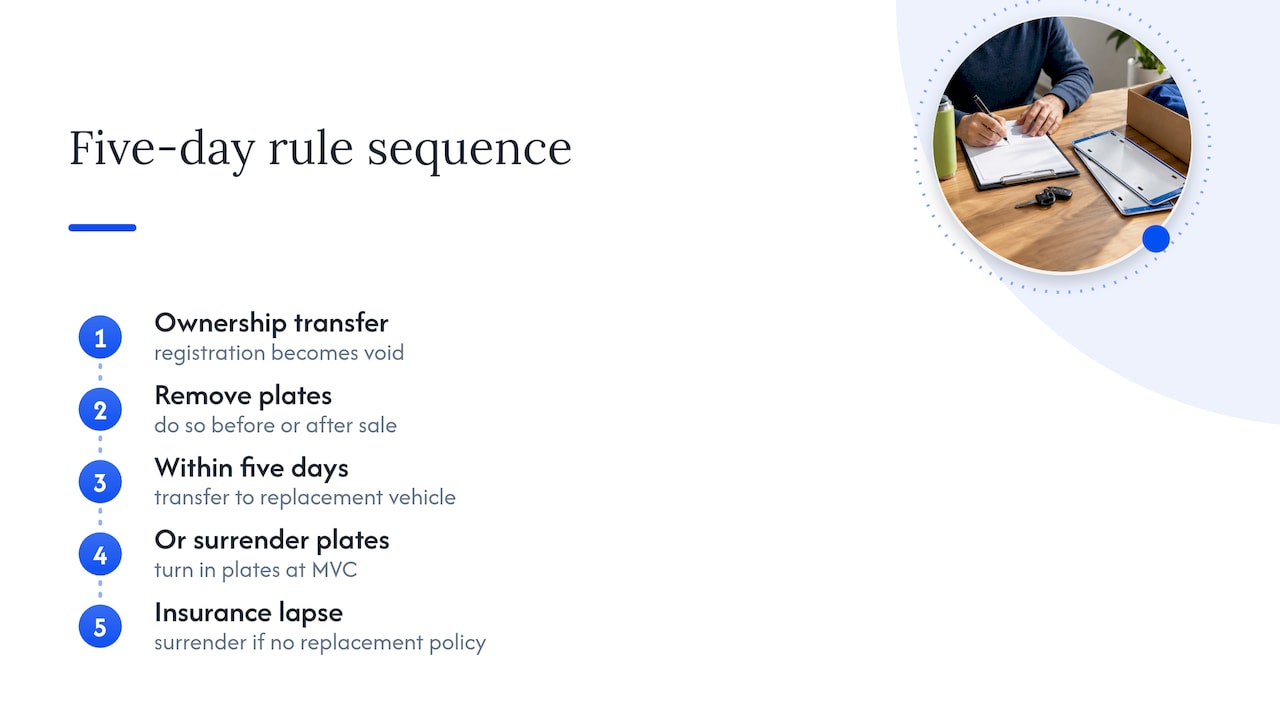
- Without a qualifying plate transfer, surrender plates within five days; a liability insurance lapse without replacement coverage also requires surrender.
- The buyer must complete the title transfer within 10 working days for qualifying New Jersey or dealer reassigned titles, or face a $25 penalty.
- Keep the surrender receipt, signed title, bill of sale, and payment confirmation for at least a year, or longer if a sale dispute remains unresolved.
Table of Contents
- Sold-car seller checklist: what to do on sale day
- How to surrender plates in New Jersey: three accepted methods
- The five-day rule and the law behind it
- Title and buyer responsibilities after the sale
- Keep your records: why the receipt matters later
- Special cases: transfers, lost plates, and specialty plates
- What sellers get wrong about plates and title paperwork
- A faster way to handle the sale, plates included
- FAQ
- Sources
Sold-car seller checklist: what to do on sale day
Once a buyer agrees to purchase your car, the paperwork and plate removal need to happen in a specific order. Skipping a step can leave you on the hook for registration issues tied to a vehicle you no longer own.
- Sign the seller section of the title and fill in the sale date and odometer reading.
- Write a bill of sale with the buyer’s name, address, sale date, odometer reading, and sale price.
- Remove both plates from the vehicle before the buyer takes possession.
- Decide whether you’re transferring the plates to another vehicle you own in the same class, or surrendering them to MVC within five days.
- Get your surrender receipt, photograph the signed title and bill of sale, and call your insurer to update or cancel coverage.
Each step protects you from liability tied to a car that’s no longer yours. A buyer who drives off with your plates still attached creates a paper trail that points back to your name.
How to surrender plates in New Jersey: three accepted methods
New Jersey gives sellers three ways to get plates back to the state, and each one works a little differently.
- In person: bring the plates to any MVC agency and hand them to staff, or drop them in the outside plate drop box available at most locations.
- Drop box: place plates in the exterior box when the agency is closed or you want to avoid a line; MVC mails your receipt afterward rather than handing it over on the spot.
- By mail: send the plates along with a self-addressed, stamped envelope so the receipt comes back to you; check the official MVC plate page for the correct mailing address before sending anything.
- New Jersey does not accept out-of-state plates for surrender, and inspection stations are not authorized to process plate returns.
Pro Tip: If you need proof of surrender the same day, skip the drop box and mail option, walk into an agency, and ask the greeter desk for an immediate receipt.
The five-day rule and the law behind it
New Jersey doesn’t leave plate surrender to guesswork. The requirement comes directly from state regulation and statute, not just MVC custom.
That language comes from N.J. Admin. Code §13:21-5.10, which sets the five-day window when you aren’t transferring plates to a replacement vehicle. The rule also requires surrender if your liability insurance lapses without a replacement policy in place. Separately, N.J. Stat. 39:3-30 states that registration becomes void once ownership transfers, which is why removing plates matters even before the five days are up. Neither law spells out one fixed fine for missing the deadline, but the duty itself is not optional.
Title and buyer responsibilities after the sale
Plate surrender and title transfer are two separate obligations, and mixing them up is one of the easiest ways to leave loose ends after a sale.
- As the seller, sign the title and give the buyer a complete bill of sale with price, date, and odometer reading; keep copies or photos for your own records.
- The buyer is responsible for completing their section of the title, visiting MVC to transfer ownership, and registering the vehicle under their own name with new plates.
- Surrendering your plates doesn’t finish the job on its own. MVC guidance notes a 10-working-day window for New Jersey or dealer-reassigned titles to complete the transfer, and missing it can trigger a $25 penalty for the buyer.
If you want a fuller walkthrough of the paperwork sequence, our guide to finishing your New Jersey title transfer covers the steps in order.
Keep your records: why the receipt matters later
Hold onto four things after the sale: the plate-surrender receipt, a copy of the signed title, the bill of sale, and any payment confirmation. These documents aren’t just for your files. MVC guidance notes that a surrender receipt can resolve situations where a ticket or suspension gets mistakenly linked to plates you already turned in. A year is a reasonable retention period, or longer if any dispute over the sale is still unresolved. A folder with four pieces of paper is a small price for avoiding a mixup months down the road.
Special cases: transfers, lost plates, and specialty plates
Not every sale fits the standard pattern. A few situations call for a different next step.
- Transferring plates: you can move plates to another vehicle only if it’s registered in your name and the same vehicle class, such as car to car or truck to truck. Our guide to transferring plates between your own vehicles walks through the process.
- Lost or stolen plates: file a police report if one is required, then request replacements at an MVC agency; if the original plates turn up later, surrender them following standard MVC guidance.
- Specialty or disability plates: follow the dedicated MVC instructions for these plate types, since mailing and agency processing can differ from standard plates.
During transport or storage before a sale, avoid covering plates with anything that obscures the numbers. Some aftermarket covers raise visibility and legal concerns worth understanding before you use one, as explained in this overview of plate cover laws.
What sellers get wrong about plates and title paperwork
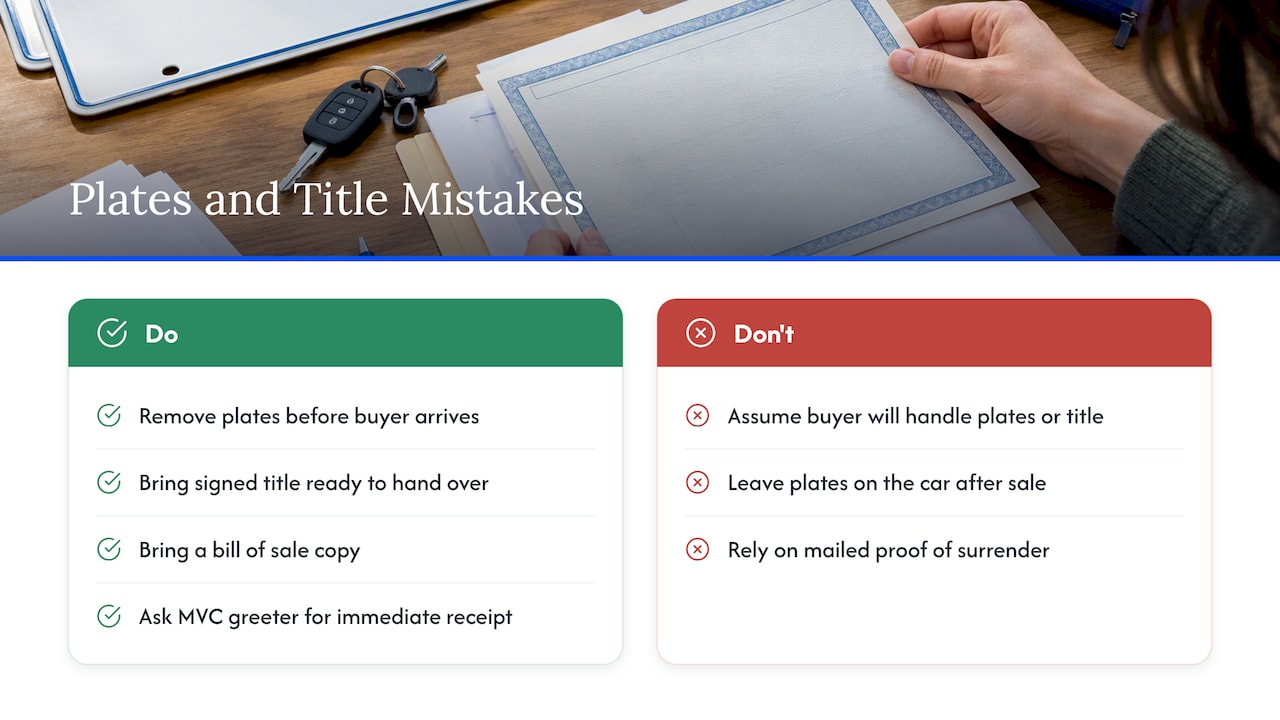
The biggest mistake I see is sellers assuming the buyer will “take care of” the plates or the title once the car drives away. That assumption is how plates end up sitting in a buyer’s garage for weeks while the registration is still technically tied to the seller’s name.
Remove the plates before the buyer even shows up, and have a signed title and bill of sale copy ready to hand over on the spot. If you think you’ll need proof of surrender quickly, for insurance or any other reason, ask for an immediate receipt at the MVC greeter desk instead of waiting on the mail.
— Eric
A faster way to handle the sale, plates included
Selling a car the traditional way means scheduling an MVC visit, tracking down a buyer you trust, and hoping the paperwork lines up. We offer a more direct route: we come to you, make a cash offer on the spot, and pay the same day once you accept.
- We handle pickup at your location, so there’s no need to coordinate a buyer’s schedule around yours.
- Plate removal and signed-title steps still apply even when we’re the ones picking up the vehicle, and we assist you with them at pickup.
- Payment happens the same day, with no waiting on a check to clear or a buyer to follow through.
If you’d rather skip the private-sale process entirely, get a quote through our Sell Your Car page, or ask us directly how we handle the plate and title formalities during pickup.
This article is general information, not a substitute for advice from a qualified lawyer. Consult a qualified legal professional about your own circumstances before acting on anything here.
FAQ
What happens if I don’t return my plates to NJ DMV?
Registration becomes void once ownership transfers, and state regulation requires removal and surrender within five days unless the plates move to another vehicle in your name. Failing to surrender can leave tickets or violations linked back to your name if the plates stay in circulation.
How do I notify NJ MVC that I sold my car?
You notify MVC by surrendering your plates and by making sure the buyer completes the title transfer in their own name. Signing the title and providing a bill of sale at the time of sale starts that process.
How do I drop off NJ license plates?
You can hand plates to staff at any MVC agency or place them in the outside plate drop box available at most locations. A drop box surrender typically results in a mailed receipt rather than an immediate one.
How do I cancel my license plates in New Jersey?
Cancel plates by surrendering them to MVC in person, through a drop box, or by mail with a self-addressed, stamped envelope for the return receipt. Surrender is required within five days of selling the vehicle unless you’re transferring plates to a replacement car in the same class.