Finish Your New Jersey Title Transfer in 6 Steps with Seller Shortcuts
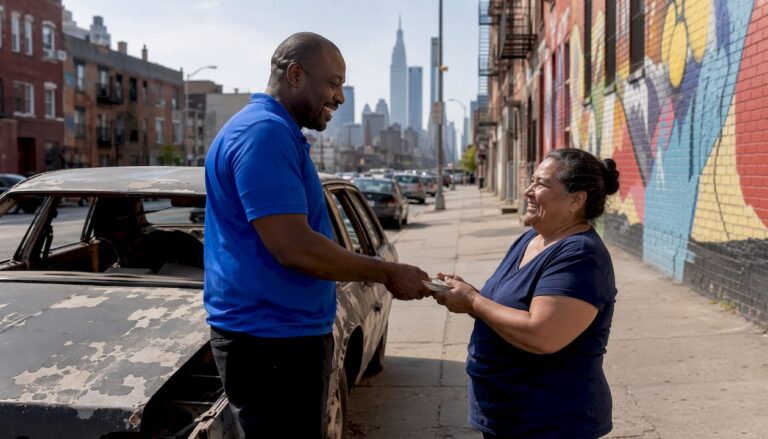
To transfer a vehicle title in New Jersey, sign the original title, get a bill of sale, and bring both plus a completed Form BA-49, proof of NJ insurance, and photo ID or EIN to an MVC agency in person. Initial title transfers must be done in person at an MVC agency. Schedule your MVC appointment right after the sale closes, and bring enough funds to cover sales tax and title fees on the spot.
TL;DR:
- Most title transfers require the seller to sign the original title and provide a notarized bill of sale, a completed Form BA-49, proof of NJ insurance, and photo ID or EIN.
- Out-of-state sellers must submit additional notarized VIN statements if their original state does not issue titles, and mail-in delays for duplicate titles can extend processing times up to 10 weeks.
- Buyers must pay sales tax directly at the MVC appointment, based on the purchase price, and bring sufficient funds, as tax is not automatically handled like at dealerships.
- Lien releases must come from the lender in original form before title clearance; waiting until the appointment to chase this often causes delays or denial.
- If the vehicle is financed or involves complex situations like title loss or transfers after death, completing all required documents and early communication with lienholders or estate officials is crucial.
Table of Contents
- What Documents Do You Need for Title Transfer New Jersey Rules?
- What Are the Steps for Buyer and Seller at the Sale?
- What Fees and Sales Tax Should You Expect?
- How Do Liens, Lost Titles, and Out-of-State Transfers Work?
- How Do You Schedule an MVC Appointment?
- Publisher Perspective: The Mistakes We See Most Often
- Sell Fast in New Jersey Without the Paperwork Chase
- Official NJ Resources to Check Before Your Appointment
- Sources
- FAQ
What Documents Do You Need for Title Transfer New Jersey Rules?
Every title transfer in New Jersey hinges on paperwork being complete and signed the right way. Show up missing one item and the MVC agent sends you home to start over.
Here’s what both sides need at the counter:
- Signed original title: seller signs the back exactly as their name appears on the front; no copies, no exceptions.
- Bill of sale: must list the buyer’s name and address, the sale date, the odometer reading, and the sale price.
- Form BA-49: the Vehicle Registration Application, filled out by the buyer.
- Proof of New Jersey insurance: an insurance card or binder in the buyer’s name, active before the appointment.
- Photo ID or EIN: a driver’s license for individuals, an Employer Identification Number for business purchases.
- Notarized Power of Attorney: required only when someone other than the owner is signing on their behalf, per the Transferring Vehicle Ownership requirements.
Out-of-state vehicles add a wrinkle. If the seller’s home state never issued a title in the first place, the Pre-owned Vehicle Title process requires a notarized statement from the seller describing the vehicle, along with a pencil tracing or photo of the VIN.
Pro Tip: Photocopy every document before your appointment. If the MVC agent needs to keep the original title, you’ll still have a record of the bill of sale details and VIN for your own files.
What Are the Steps for Buyer and Seller at the Sale?
The sale itself and the MVC visit are two separate events, but they need to happen close together. Here’s the order that avoids headaches.
- Seller signs the title. Sign in the designated seller section, matching the name printed on the front exactly.
- Seller removes the plates. New Jersey ties plates to the owner, not the car, so plates get surrendered to the MVC or transferred only to another vehicle the seller owns, according to MVC guidance on ownership transfers.
- Seller hands over the bill of sale and, if applicable, a lien release. A payoff receipt alone doesn’t clear a lien on record. You need the original signed release from the lender.
- Buyer completes Form BA-49 and gathers proof of NJ insurance before leaving the driveway.
- Buyer schedules an MVC appointment, ideally the same day the deal closes.
- Buyer brings payment for sales tax, the title fee, and registration fees to the appointment, along with every document above.
If the car was financed and the loan is still active, the title stays with the lienholder until it’s paid off. The MVC’s own title application instructions note that a paid-off loan without an original lien release won’t clear the lien in the system, no matter what the payoff letter says.
Pro Tip: Call the lienholder a week before the sale and ask them to mail the original lien release directly to you or the buyer. Waiting until the appointment day to chase this down is the single most common reason people get turned away.
What Fees and Sales Tax Should You Expect?
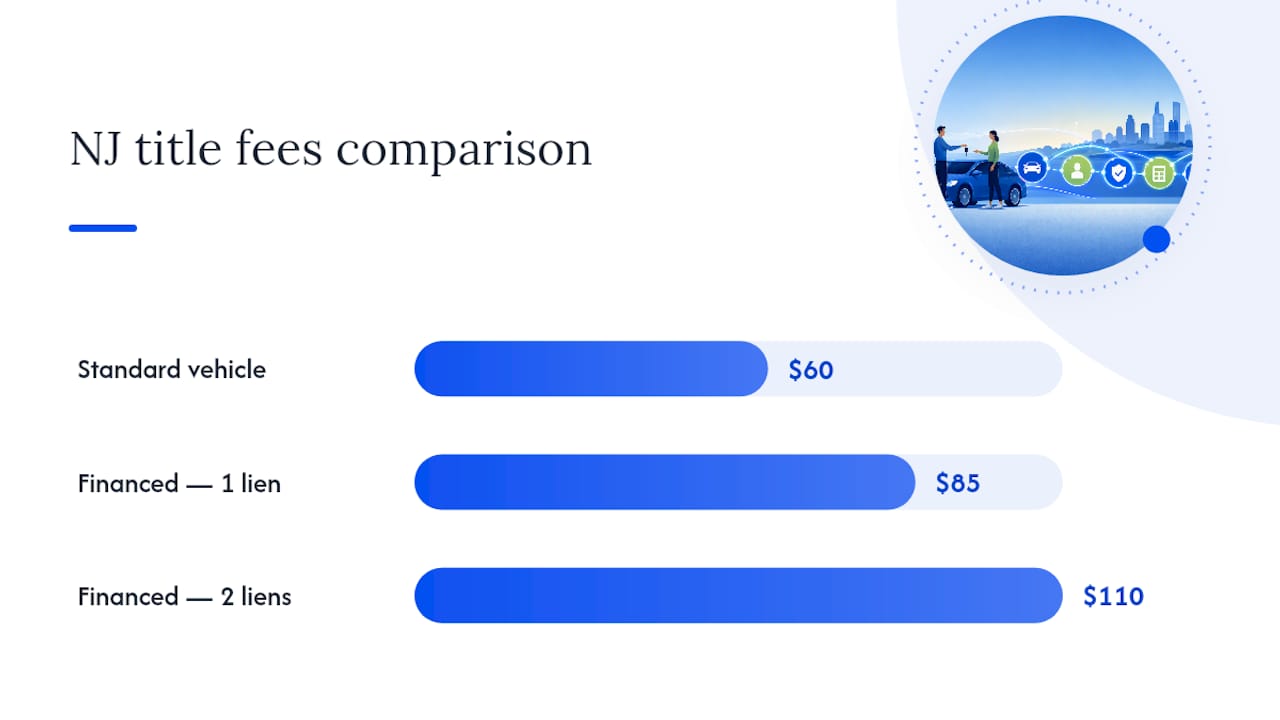
New Jersey’s title fee runs $60 for a standard vehicle, $85 for a financed vehicle with one lien, and $110 for a financed vehicle with two liens, according to MVC’s title fee schedule.
Sales tax is where most private-party deals stumble. Dealers collect tax automatically at the point of sale, so buyers who’ve only ever bought from a dealership assume it works the same way in a private transaction. It doesn’t. In a private sale, the buyer pays sales tax directly to the MVC when titling the vehicle, calculated on the purchase price listed in the bill of sale.
Common pitfalls worth avoiding:
- Showing up without enough cash or a card to cover tax and fees combined.
- Assuming the seller “handled” the tax somehow, since that’s how dealership deals work.
- Expecting a mailed tax bill later, when New Jersey collects it at the appointment itself.
If you’re unsure how tax applies to your specific sale, especially for gifted vehicles or family transfers, MVC guidance is the place to check before you assume an exemption applies. Also worth knowing: some private sales fall inside a window where no sales tax is owed at all, which is worth reading up on before your appointment.
How Do Liens, Lost Titles, and Out-of-State Transfers Work?
Some transfers need more than the standard checklist. A few situations come up often enough to plan for in advance.
- Liens: the lender must send an original signed lien release before the MVC will clear the record; a photocopy or payoff letter alone isn’t accepted.
- Lost or damaged titles: apply for a duplicate before the sale if possible, since mail-in applications can take up to 10 weeks to process, per the Universal Title Application instructions. If you’re stuck waiting on a replacement, a duplicate title checklist can help you assemble the right pack of documents to speed things along.
- Out-of-state titles: use the Universal Title Application (OS/SS-UTA) and expect to provide a notarized VIN statement if the origin state doesn’t issue titles at all.
- Transfers after death: a Surrogate’s Short Certificate or a Transfer on Death beneficiary form usually accompanies the Universal Title Application; titling into an estate can require an EIN.
- Business-owned vehicles: bring the company’s EIN and written authorization if someone other than a listed officer is signing.
New residents must transfer their out-of-state license and vehicle title/registration within 60 days of moving to New Jersey; this transaction must be done in person.
How Do You Schedule an MVC Appointment?
Book your title appointment through the NJ MVC online scheduling system, choosing the location and service type that matches your transaction. Walk-ins are possible at some agencies but often mean a longer wait.
- Select “title transfer” or “vehicle registration” as your service type when booking.
- Bring every document listed above, plus a second form of backup ID if you have one.
- Pay with the accepted method at that agency (cash, check, or card, depending on location).
- Titles with an active lien get mailed to the lienholder, not handed to you at the counter.
Pro Tip: Arrive 10 minutes early and double check your bill of sale has the odometer reading filled in. Agents reject incomplete bills of sale more often than any other single document.
Publisher Perspective: The Mistakes We See Most Often
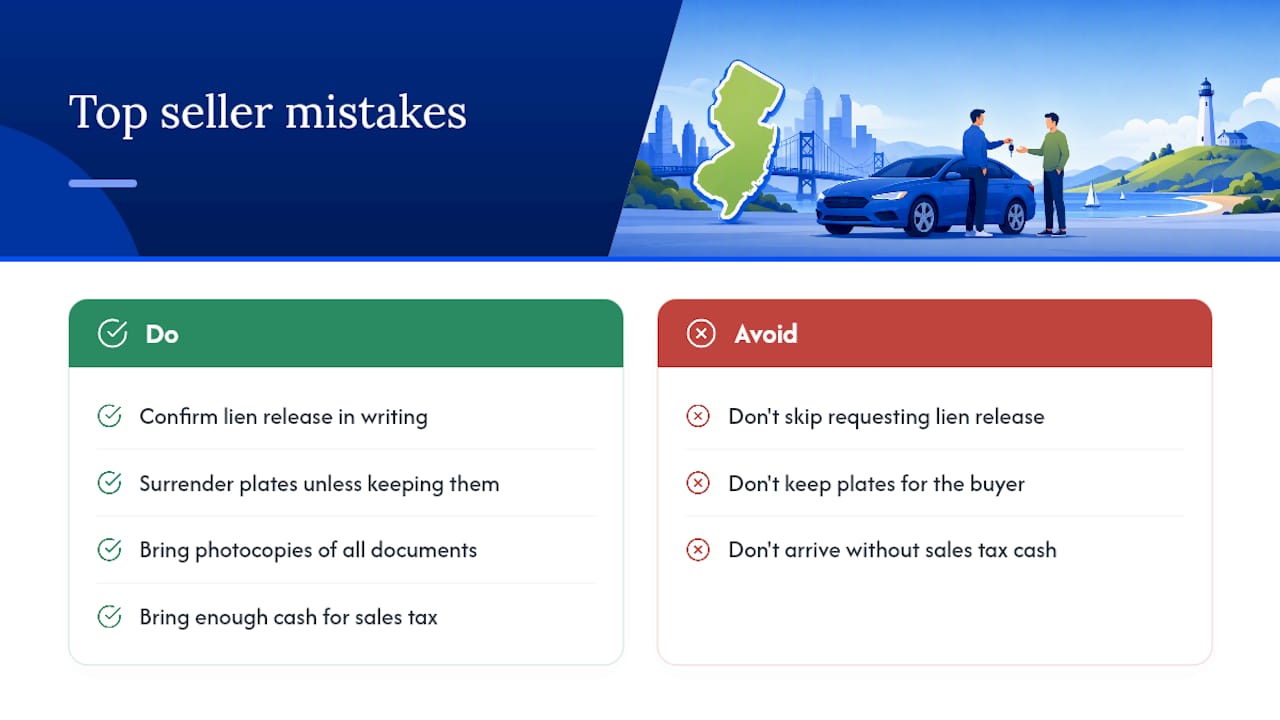
Working with sellers across New Jersey day in and day out, the same three mistakes keep showing up: a lien release that never got requested, plates that weren’t surrendered because the seller thought the buyer needed them, and buyers who show up without enough cash for sales tax. None of these are complicated to fix. They just require doing them before the appointment, not during it.
Confirm the lien is actually released in writing, surrender your plates unless you’re moving them to your own next vehicle, and photocopy everything twice.
— Eric
Sell Fast in New Jersey Without the Paperwork Chase
If the title transfer process above sounds like more hassle than you want to deal with, especially with a lien to untangle or a title that’s gone missing, An alternative option is to use a service that sends a team to your location, makes a cash offer, and handles the paperwork side of the sale directly with you.
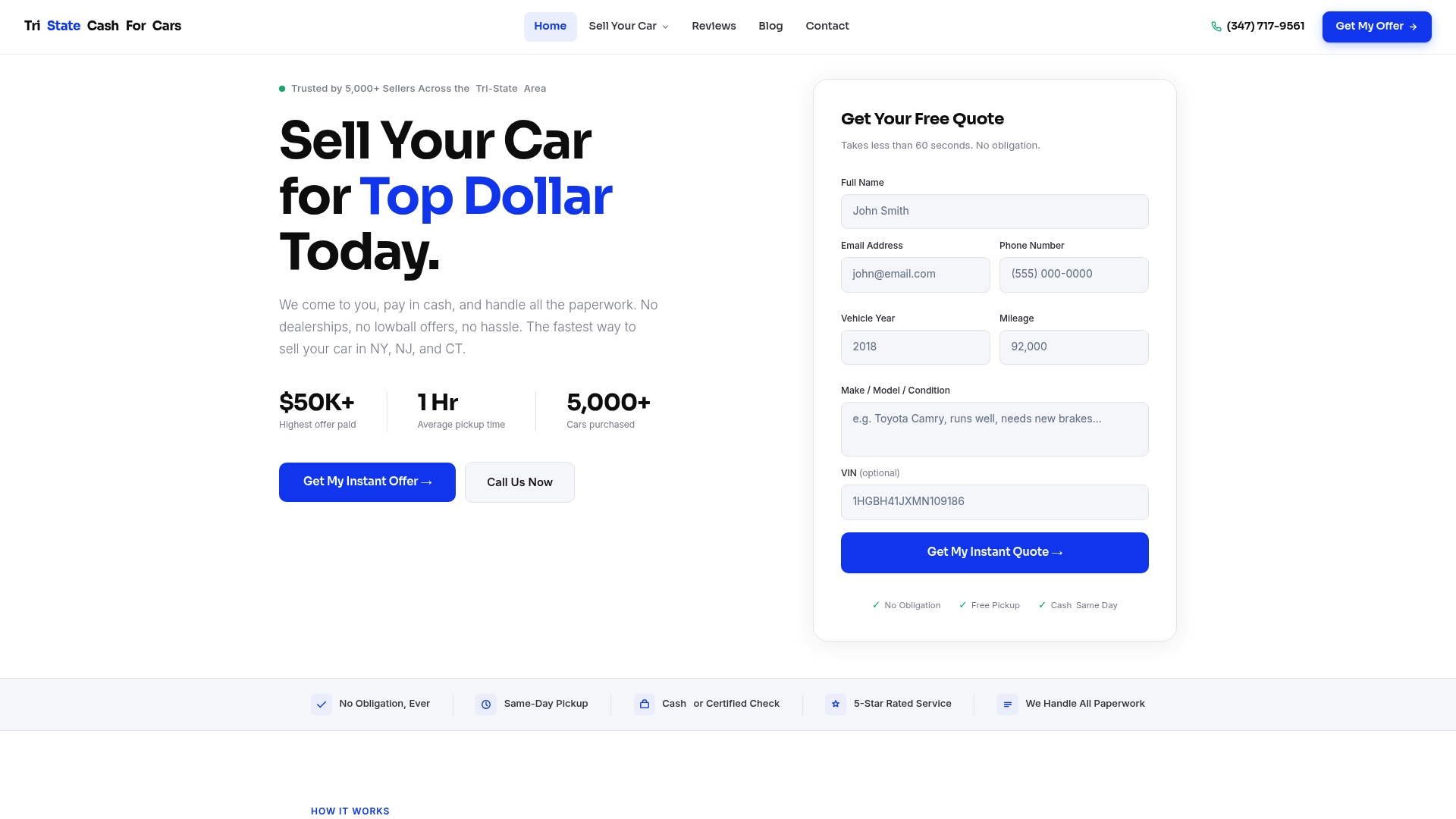
That’s especially useful if you need cash quickly and don’t want to coordinate a private buyer’s schedule around an MVC visit. The buyer pays the stated offer at pickup, so there’s no waiting on a mailed check or a buyer backing out after the appointment is booked. If you want to see what a fast, guaranteed offer looks like for your vehicle, check out the instant cash car offer page, or read through the private sale guide first if you’re still deciding which route fits your situation better.
Official NJ Resources to Check Before Your Appointment
Open these before you head to the MVC:
- Transferring Vehicle Ownership for the general process overview.
- Pre-owned Vehicle Title for used-vehicle-specific requirements.
- How To Get A Title For A New Vehicle for fee details.
- Universal Title Application (OS/SS-UTA) for duplicate titles and lien removal.
- Tristatecashforcars’ own duplicate title checklist and private sale guide for practical prep.
Sources
- NJ MVC | Transferring Vehicle Ownership
- NJ MVC | How To Get A Title For A New Vehicle
- NJ MVC | Pre-owned Vehicle Title
- Universal Title Application (OS/SS-UTA) — NJ MVC
FAQ
How Do You Transfer a Vehicle Title in NJ?
The seller signs the original title and provides a bill of sale, and the buyer brings that signed title, a completed Form BA-49, proof of NJ insurance, and photo ID or EIN to an MVC agency in person to complete the transfer.
Do You Need an Appointment at the MVC to Transfer a Title in NJ?
Yes. Initial title transfers must happen in person, and scheduling ahead through the NJ MVC’s online system avoids long walk-in waits.
What Is the Best Way to Transfer a Car Title to a Family Member?
The process is the same as any private sale: the family member selling signs the title and provides a bill of sale, and the receiving family member titles the vehicle in person with Form BA-49 and proof of insurance, though you should confirm with the MVC whether any tax exemption applies to your specific family relationship.
How Much Does It Cost to Transfer Ownership of a Car Title in New Jersey?
The standard title fee is $60, rising to $85 for a financed vehicle with one lien or $110 with two liens, plus sales tax calculated on the purchase price listed in the bill of sale.