How to Sell a Non Runner Car Fast for Fair Cash
TL;DR:
- Selling a non-running car retains some cash value despite mechanical issues.
- Getting multiple quotes, truthful vehicle details, and prepared paperwork helps maximize your sale.
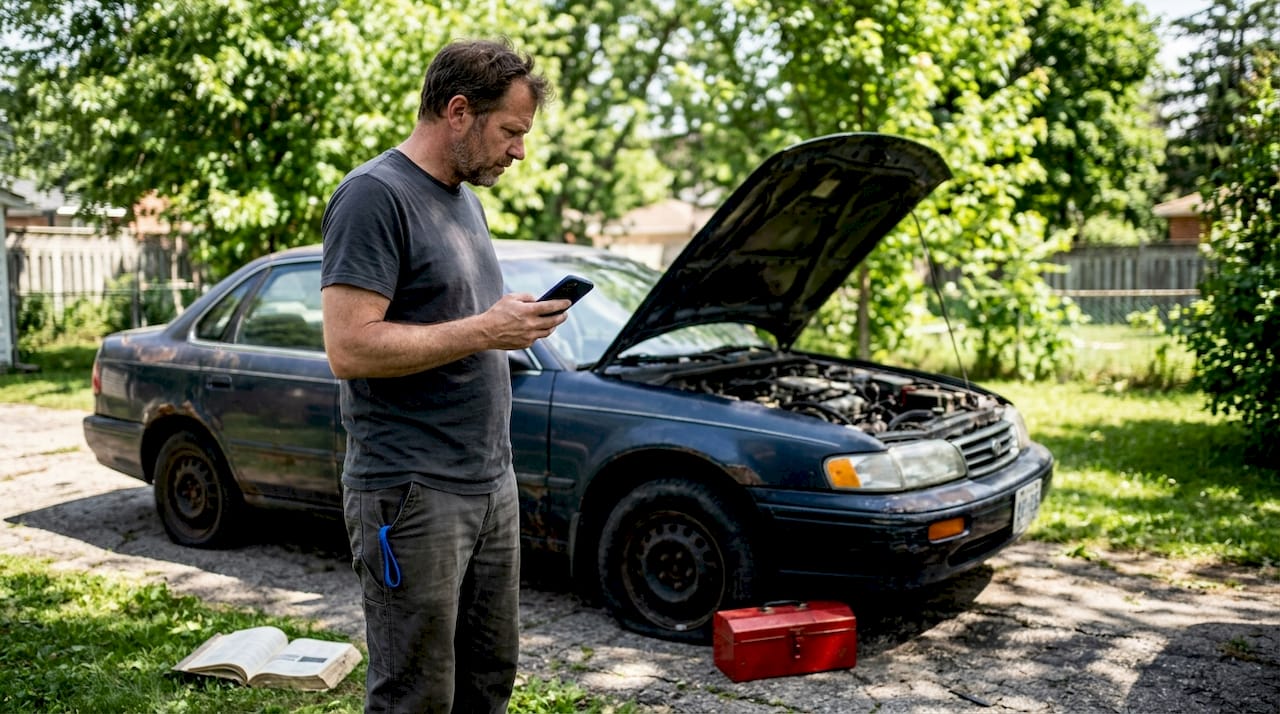
Selling a non-running car is defined as transferring ownership of a vehicle that cannot be driven under its own power, typically due to mechanical failure, accident damage, or long-term neglect. New Jersey car owners face this situation more often than most people expect, and the good news is that a non-running vehicle still holds real cash value. The key is knowing what affects that value, having your paperwork ready, and choosing the right buyer. This guide covers every step, from getting your first quote to walking away with cash in hand.
What affects the value of a non runner car?
Non-running car value varies widely based on why the vehicle stopped working. A dead battery is treated very differently from a seized engine or flood damage, and buyers price cars accordingly. That gap in pricing can mean hundreds of dollars difference for the same make and model.
Several factors drive the final offer:
- Reason for non-running status. A car that needs a $200 battery replacement is worth far more than one with a cracked engine block. Buyers calculate repair costs before making any offer.
- Parts demand. Cars with in-demand components like catalytic converters, transmissions, or late-model electronics command higher offers than scrap weight alone. A 2018 Honda Accord with a blown head gasket still has a valuable transmission, airbags, and infotainment system.
- Vehicle age, make, and mileage. Newer vehicles with lower mileage retain more parts value. A 10-year-old truck from a popular brand will attract more salvage interest than a 20-year-old economy car.
- Title status. A clean title speeds up the sale and increases your offer. A missing or salvage title complicates the transaction and often reduces what buyers will pay.
- Overall body condition. Rust, collision damage, and missing panels reduce parts usability and lower the offer.
Pro Tip: Take clear photos of the engine bay, interior, and all four corners of the vehicle before contacting any buyer. Buyers who see photos upfront tend to make firmer, more accurate offers and are less likely to reduce the price at pickup.
Selling a damaged or non-running car is financially sensible when repair costs exceed the vehicle’s market value. At that point, the car is worth more in parts than as a repaired vehicle.

What documents do you need before selling a non-running car?
Paperwork is the single most common reason non-running car sales fall apart or get delayed. Having everything ready before you contact a buyer puts you in control of the timeline.
| Document | Why It Matters |
|---|---|
| Vehicle title (certificate of ownership) | Proves legal ownership; required to transfer the vehicle in New Jersey |
| Valid government-issued photo ID | Matches the name on the title; required by all legitimate buyers |
| Odometer disclosure statement | Required by federal law for vehicles under 10 years old |
| Release of liability form | Protects you from tickets or violations after the sale |
| Lien release (if applicable) | Confirms the vehicle is free of any outstanding loan balance |
New Jersey sellers must notify the NJ Motor Vehicle Commission after a sale to release liability. Skipping this step can leave you responsible for parking tickets or violations the new owner racks up. If you are unsure whether your title is clean, the NJ title process has specific options for sellers in complicated situations.
Before the buyer arrives, remove all personal belongings from the vehicle. Check the glove box, trunk, under seats, and any storage compartments. Remove your license plates as well. In New Jersey, plates belong to the owner, not the vehicle, so you return them to the MVC or transfer them to another car.
Pro Tip: Verify every buyer before agreeing to a sale. Check online reviews, confirm the company has a physical address, and never accept a check from an unknown party. Safe payment practices using bank transfers or secure electronic payments minimize fraud risk significantly.
What are the best methods to sell a non-running car quickly?
Three main channels exist for selling a non-running vehicle. Each has a different speed, payout, and effort level.
-
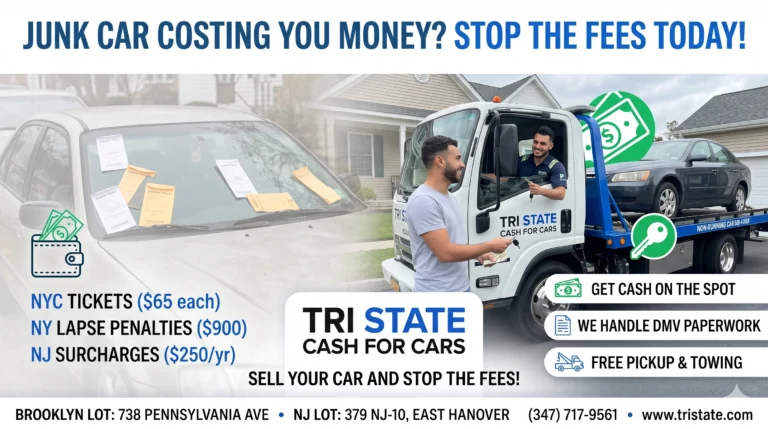
Professional cash-for-cars services. These buyers specialize in non-running vehicles. Certified cash-for-cars services commonly offer instant online quotes and free towing, completing purchases usually within 24 to 48 hours. This is the fastest option and requires the least effort from you. Tristatecashforcars operates across New Jersey and New York, sending a team to your location, handling all paperwork, and paying the agreed price at pickup with no last-minute reductions.
-
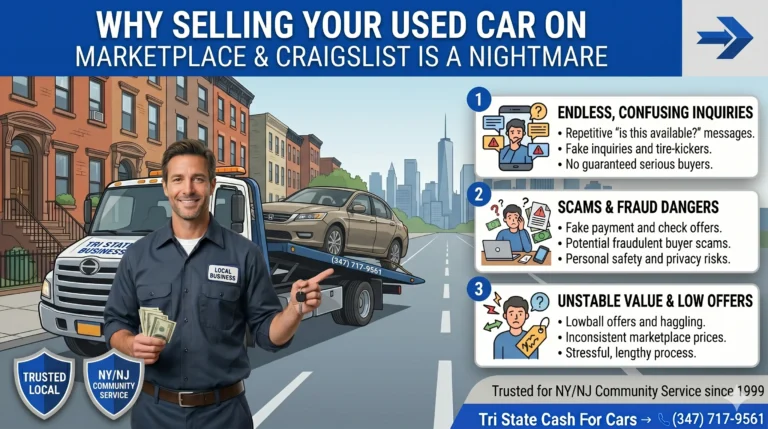
Private sale through online marketplaces. Platforms like Facebook Marketplace attract mechanics and hobbyists hunting for project vehicles. Private sales to mechanics and hobbyists may yield higher prices but require more time and coordination, especially for non-running vehicles. You will need to arrange private towing, respond to lowball offers, and screen buyers carefully.
-
Scrap or recycling yards. This option guarantees a quick sale but delivers the lowest financial return. Scrapping as a last resort provides a guaranteed quick sale but generally the lowest return compared to private or professional buyers. Scrap value is based on metal weight, not parts or repair potential.
The table below compares the three methods across the factors that matter most to sellers in a hurry.
| Method | Speed | Payout level | Effort required |
|---|---|---|---|
| Cash-for-cars service | 24–48 hours | Moderate to high | Very low |
| Private sale | Days to weeks | Potentially highest | High |
| Scrap yard | Same day | Lowest | Low |
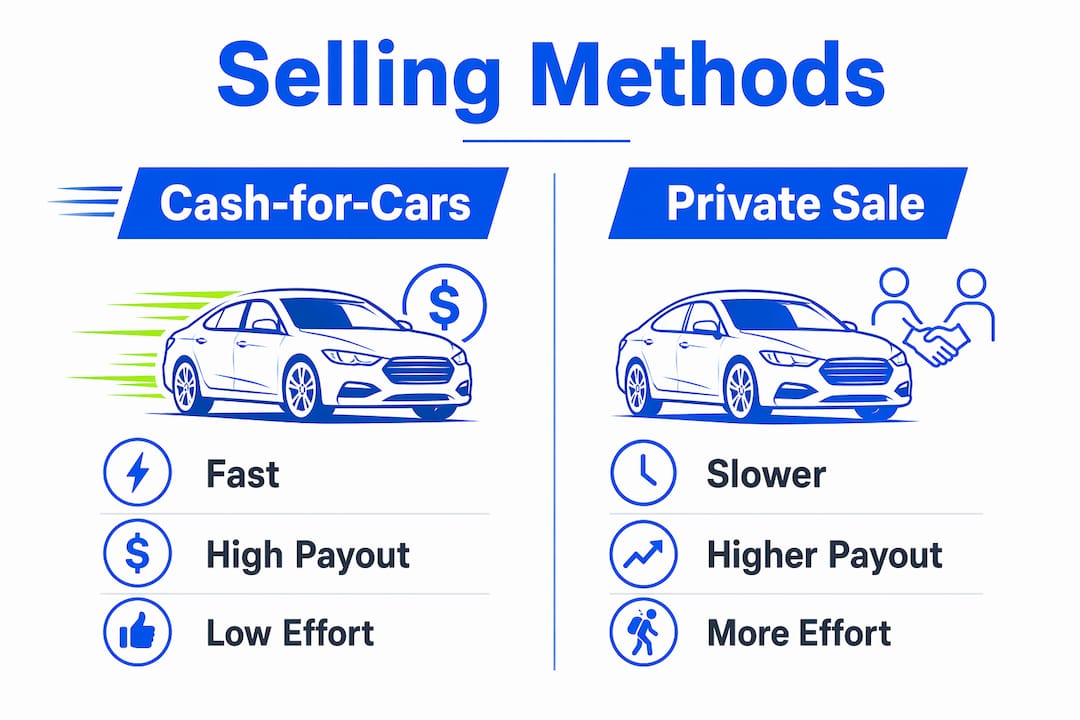
For most New Jersey sellers who need cash quickly, a professional cash-for-cars service delivers the best combination of speed, fair pricing, and zero hassle.
Step-by-step process to sell your non-running car
A clear process prevents mistakes and protects your money. Follow these steps from first contact to final payment.
-
Gather your vehicle details. Note the year, make, model, mileage, VIN, and the exact reason the car does not run. The more specific you are, the more accurate your quotes will be.
-
Get multiple quotes. Obtaining multiple free quotes from different buyers enables sellers to identify the best price, often with minimal effort and no obligation. Contact at least two or three buyers. Getting two to three quotes quickly can deliver price differences of hundreds of dollars for the same vehicle.
-
Be honest about the vehicle’s condition. Honest disclosure about why a car won’t start prevents last-minute price cuts and builds buyer trust. If you describe a dead battery but the buyer arrives to find a seized engine, the deal will collapse or the price will drop sharply.
-
Confirm the offer in writing. Before scheduling pickup, get the agreed price confirmed in writing, whether by email or text. Tristatecashforcars guarantees the stated price at pickup, which removes the risk of surprise reductions.
-
Prepare the vehicle and documents. Remove personal items and license plates. Have your title, ID, and any other required documents ready before the buyer arrives.
-
Confirm payment before releasing the vehicle. Cash or a verified electronic transfer should be in your hands before the tow truck leaves your property.
“Avoid releasing your vehicle before payment is confirmed. A legitimate buyer will never ask you to hand over the keys or sign the title before funds are exchanged. If a buyer pressures you to transfer ownership first, walk away.”
For a broader look at the full step-by-step selling process, including tips for running vehicles and private sales, Tristatecashforcars has detailed guidance on their site.
Key Takeaways
Selling a non-running car for fair cash requires honest vehicle disclosure, clean paperwork, and choosing a buyer who offers guaranteed pricing with free towing.
| Point | Details |
|---|---|
| Condition drives value | The reason a car won’t run affects the offer more than any other single factor. |
| Paperwork prevents delays | Have your title, ID, and odometer statement ready before contacting any buyer. |
| Multiple quotes pay off | Getting two to three quotes can produce price differences of hundreds of dollars. |
| Honesty speeds up the sale | Accurate condition descriptions prevent last-minute price cuts at pickup. |
| Confirm payment first | Never sign the title or release the vehicle before funds are in your hands. |
What I’ve learned from watching sellers leave money on the table
The most common mistake I see is sellers accepting the first offer out of urgency. Financial pressure is real, and I understand the impulse to take the first number that comes in. But getting a second or third quote takes less than 20 minutes and can mean a $300 to $500 difference for the exact same car.
The second mistake is vague vehicle descriptions. Sellers often say “it doesn’t run” and leave it at that. Buyers who hear that phrase assume the worst. If your car has a dead battery, a bad alternator, or a transmission issue that a shop quoted at $800, say so. That specificity can lift your offer because the buyer now knows the repair path and the parts value. Honesty about specific vehicle issues speeds up transactions and can actually increase offers when minor faults are clearly communicated.
The third mistake is skipping the paperwork check. Sellers in New Jersey sometimes discover mid-sale that their title has a lien they forgot about, or that the name on the title does not match their current ID. Both situations kill deals. Spend 10 minutes verifying your documents before you make a single call.
My honest recommendation: use a professional cash-for-cars service as your first call, not your last resort. The speed, the guaranteed pricing, and the free towing make it the most practical option for anyone who needs cash without the drama of a private sale.
— Eric
Tristatecashforcars buys non-running vehicles across New Jersey and New York
Tristatecashforcars pays cash for non-running vehicles across New Jersey, Brooklyn, and the wider Tri-State area. The process is direct: you describe your vehicle, receive an instant offer, and a team comes to your location to handle pickup and paperwork.
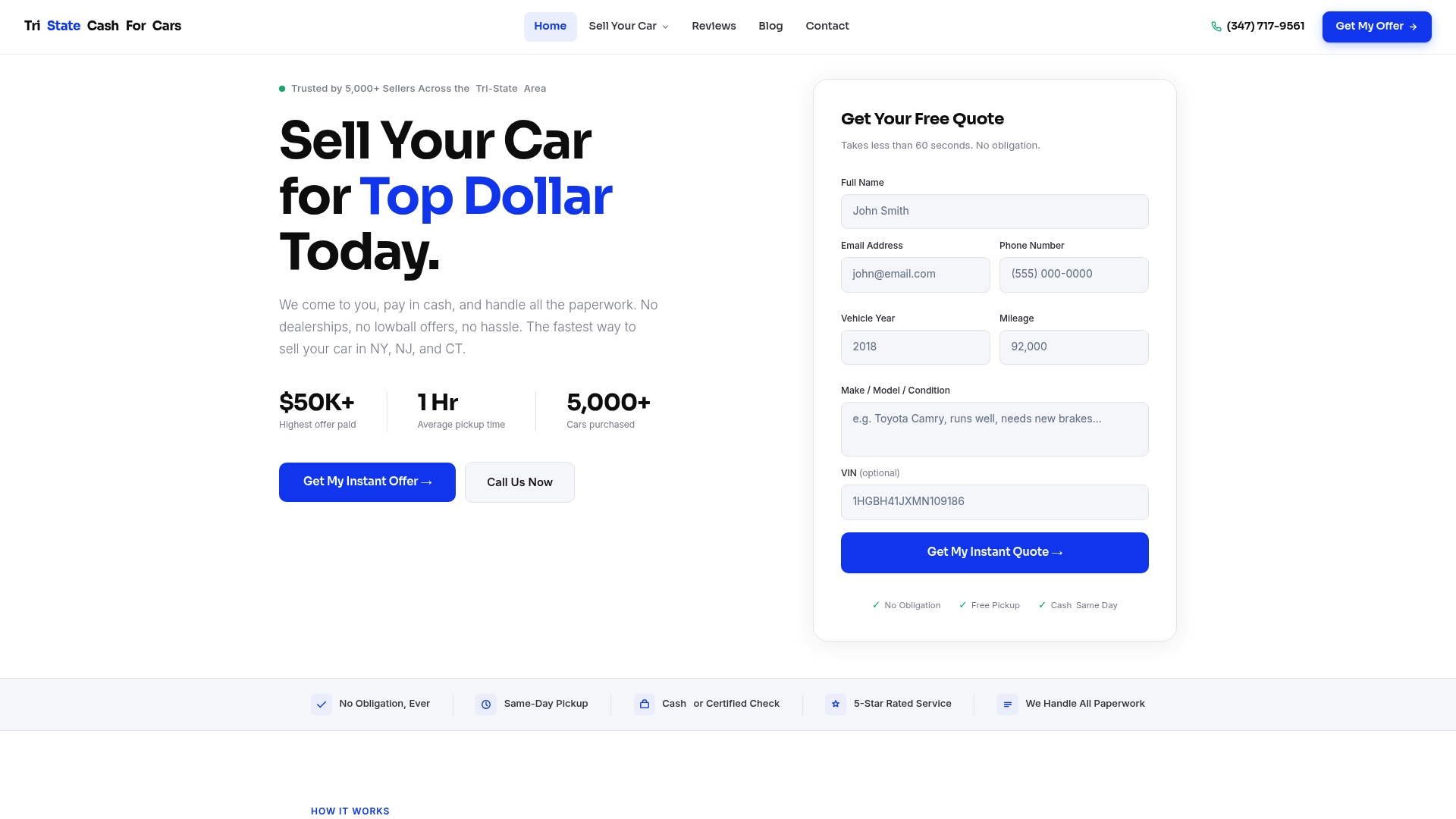
There are no hidden fees, no towing charges, and no price changes at the door. Tristatecashforcars guarantees the quoted price at pickup, which means the number you agree to is the number you receive. Sellers typically have cash for their car within an hour of pickup. If your vehicle is sitting in a driveway in New Jersey and you need it gone fast, contact Tristatecashforcars for a no-obligation quote today.
FAQ
What is a non-running car?
A non-running car is any vehicle that cannot be driven under its own power due to mechanical failure, accident damage, or long-term disuse. It still holds cash value based on parts demand and repair potential.
Do I need a title to sell a non-running car in New Jersey?
A clean title is required for most sales in New Jersey, but options exist for sellers without one. Tristatecashforcars can advise on the specific steps for selling without a title in NJ.
How fast can I sell a non-running car for cash?
Professional cash-for-cars services complete purchases within 24 to 48 hours, including free towing and same-day payment in many cases.
How do I get the best price for a non-running car?
Get at least two to three quotes, be specific about why the car does not run, and confirm the offer in writing before scheduling pickup. Comparing offers is the single most effective way to maximize your return.
Is it safe to accept cash for a non-running car?
Cash is safe for in-person transactions, but verified electronic transfers add an extra layer of protection. Never release the vehicle or sign the title before payment is confirmed and in your possession.