Sell Your Work Truck Same Day: Checklist to Secure Title, Liens, and USDOT
If you want the best balance of speed and net cash, sell to another operator or fleet buyer directly; if you need the highest possible price, list it privately on a specialized marketplace and wait for the right buyer. A guaranteed cash buyer service is the fastest route when the truck is non-running or you need funds now. Whichever route you pick, confirm the title is clear, any lien is resolved, and you understand that USDOT registration cannot be sold with the truck.
TL;DR:
- Selling directly to fleet buyers or operators usually yields a lower price but offers faster, guaranteed cash without extensive paperwork.
- Listing on specialized commercial marketplaces or auction platforms can maximize net proceeds but requires careful spec documentation and waiting for the right buyer.
- Confirm that the truck’s title is clear, lien-free, and properly transferred, as missing or undisclosed liens can derail a private sale even after payment is made.
- IRS reporting for business-used trucks requires IRS Form 4797, especially if depreciation was claimed, and sales prices include any buyer assumption of debt.
- Guaranteed cash buyer services provide same-day payment, handle paperwork, and are ideal for trucks that are non-running or when urgent funds are needed.
Table of Contents
- Step-by-step checklist to sell a work truck privately
- Documentation, title transfer, liens, and tax reporting you must handle
- Where to list, advertise, and screen buyers for work trucks
- Handling inspections, test drives, payment, and closing the deal safely
- Special cases for fleet units and USDOT operating authority
- When a guaranteed cash buyer is the practical choice
- Choosing speed versus price
- How Tri State Cash For Cars can help
- Sources
- FAQ
Step-by-step checklist to sell a work truck privately
Start by building a complete spec sheet before you price anything. Commercial buyers care about details a consumer valuation tool never asks about, and leaving them out costs you money.
- Record class and GVW, engine and transmission type, drive configuration, axle ratings, and any upfits (racks, lift gates, utility bodies, plows).
- Log engine hours alongside odometer mileage, since hours matter more than miles for many vocational trucks.
- Pull comps from commercial-specific sources rather than consumer sites, since valuation for commercial trucks is spec-driven and general car-value tools miss key variables like PTOs and body type.
- Set two numbers: a realistic list price and a walk-away price you will not go below.
- Assemble your documentation bundle (title, lien payoff letter if applicable, maintenance records, bill of sale template) before you post anything.
- Shoot honest photos showing wear, upfit condition, and engine hours on the dash.
- List on channels that reach fleet and commercial buyers, not just general classifieds.
For higher-value vocational units, a professional appraisal from a fleet buyer or commercial specialist often produces a more accurate number than any consumer-grade estimate, since buyer pools for commercial trucks are smaller and less forgiving of guesswork.
Your listing should include everything a serious buyer needs to decide without a phone call: specs, condition notes, upfit details, and a posted price.
- Full spec sheet (class, GVW, engine, transmission, axle ratings)
- Engine hours and odometer reading, both clearly labeled
- Upfit description and condition (rack, lift gate, plow mount, utility body)
- Maintenance history summary and any outstanding issues disclosed upfront
Pro Tip: Post a firm price instead of “call for details.” Buyers with a budget to meet tend to skip listings that hide the number.
Documentation, title transfer, liens, and tax reporting you must handle
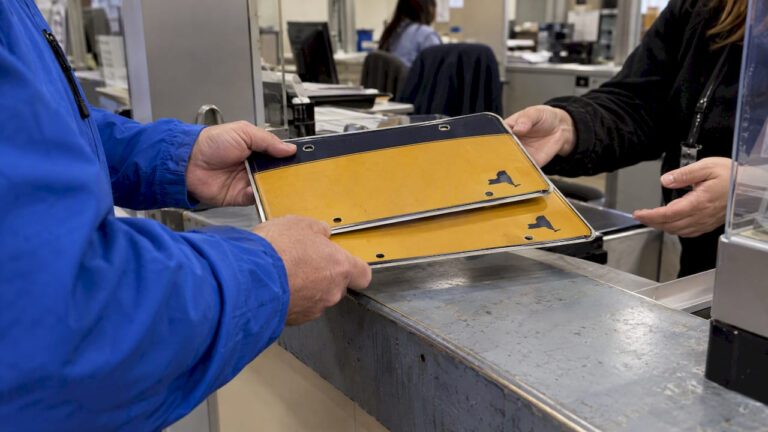
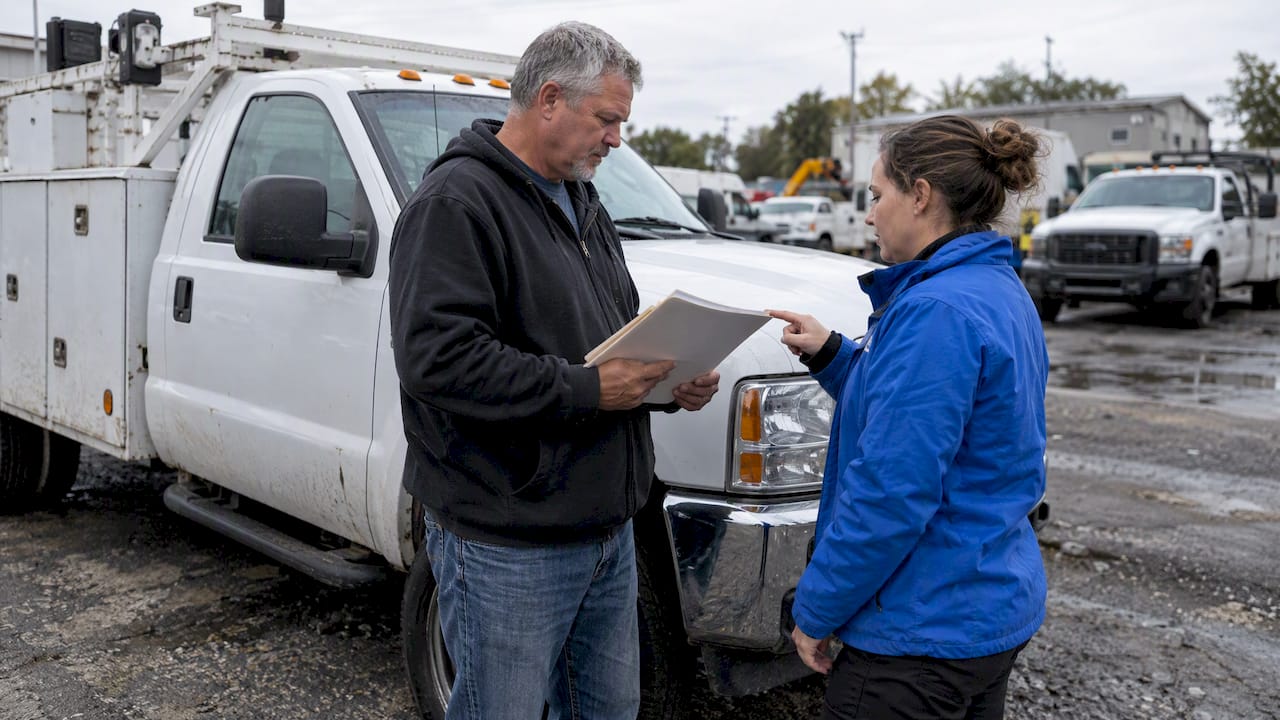
Clean paperwork is what separates a fast sale from a stalled one. Start with title transfer: sign the title over to the buyer, make sure the vehicle identification number matches across the title, registration, and bill of sale, and keep a copy of everything for your own records.
If there’s an outstanding lien, you cannot transfer clear title until it’s resolved. Contact your lender for a payoff amount and a lien release letter, and consider closing through escrow so the buyer’s funds pay off the loan directly before title changes hands. Skipping this step is one of the most common reasons private truck sales fall apart.
- Confirm the title is lien-free or get a signed lien release before closing
- Complete a bill of sale listing VIN, price, date, and both parties’ signatures
- Provide an odometer disclosure statement and keep a signed copy for your files
- Run a VIN or title search to rule out undisclosed liens before you accept an offer
Odometer and lien checks matter: a missing document or undisclosed lien can derail a transaction even after payment changes hands, sometimes leading to repossession after the sale closes.
If the truck was used in a business, the sale likely needs to be reported on IRS Form 4797, which covers dispositions of depreciable business property and can trigger depreciation recapture, meaning some of the deductions you claimed over the years get taxed back. The gross sales price for reporting purposes includes any debt the buyer assumes, and large transactions may require asset allocation through Form 8594. Talk to a tax professional before you file, since the details depend on how the truck was depreciated and what entity owned it.

Where to list, advertise, and screen buyers for work trucks
Different channels suit different trucks. Specialized commercial marketplaces reach serious buyers fastest for vocational trucks with upfits. General classified sites work for lighter-duty trucks with broader appeal, and the best channels for selling a vehicle by owner vary by what you’re moving. Fleet buyers and wholesalers move inventory quickly but at wholesale prices, and auctions suit sellers who want a set sale date over top dollar.
Your listing needs a posted price, full specs, engine hours, upfit details, and photos that show actual condition, not just the good angles — following a vehicle liquidation sale checklist to maximize your proceeds.
- Ask upfront: “What’s your intended use for the truck?” to filter out curiosity browsers
- Ask: “Have you arranged financing or is this a cash purchase?” before scheduling a viewing
- Ask: “Do you need help with transport or do you have a trailer?” to gauge seriousness
- Request a deposit to hold a viewing slot if you’ve had repeated no-shows
Handling inspections, test drives, payment, and closing the deal safely
Let serious buyers inspect the truck in daylight, bring their own mechanic if they want, and check the VIN against the title before any money changes hands. For test drives, ride along, confirm insurance coverage, and keep a copy of the buyer’s license.
- Verify payment before releasing the truck: certified funds, a wire transfer you’ve confirmed as cleared, or an in-person bank check verified at the issuing branch.
- Avoid accepting personal checks or anything you can’t confirm the same day.
- Sign the bill of sale and title transfer together, hand over a signed receipt, and keep copies of everything.
- Notify your insurer and, where required, your state DMV that the vehicle has sold.
Pro Tip: Never hand over keys or the title until funds are confirmed as cleared, not just “sent.”
Special cases for fleet units and USDOT operating authority
Fleet and commercial trucks sell differently than personal-use trucks. Specs like axle configuration, PTO equipment, and upfit condition drive price more than mileage alone, and buyer pools are narrower.
- Fleet sellers often combine employee sales, targeted auctions, and direct fleet buyers to balance speed against proceeds
- A direct fleet buyer or wholesaler closes fastest but typically pays less than a retail buyer
- Your USDOT and MC numbers belong to your business entity and cannot be sold or transferred with the truck, and improper transfer attempts can trigger inactivation
- To retire a USDOT number, you file Form MCS-150 marked “Out of Business”, with additional steps if operating authority is still active
When a guaranteed cash buyer is the practical choice
A guaranteed cash buyer makes sense when you need funds fast, the truck doesn’t run, or you’d rather skip weeks of showings. You trade some price for speed and certainty.
- On-site appraisal means no driving the truck anywhere to get an offer
- The buyer handles paperwork, including title transfer details
- Payment happens at pickup, often within the same visit
- Offers typically run below retail private-sale prices in exchange for speed and simplicity
Choosing speed versus price
Match your selling route to your timeline and cash needs, not to what sounds like the “best” deal on paper. A contractor needing $15,000 by Friday for a down payment on a new truck shouldn’t chase a private buyer for six weeks. A fleet manager replacing ten units on a schedule can afford to wait for a wholesale auction that nets more per unit.
— Eric
How Tri State Cash For Cars can help

If your work truck needs to turn into cash quickly without weeks of showings, lien chasing, or paperwork headaches, some guaranteed cash buyer services send a team to appraise it on-site and pay at pickup.
- Guaranteed offer honored at pickup, with no last-minute renegotiation
- Paperwork handled, including title transfer details
- Same-day cash, whether the truck runs or not
- Works well for non-running trucks or urgent timelines
This route fits owners in New York, New Jersey, or Connecticut who value certainty over squeezing out the last dollar. Request a quote on your truck to see what a same-day sale looks like.
Sources
This guide draws on FMCSA guidance, IRS Form 4797 instructions, and commercial-vehicle selling best practices.
This article is general information, not a substitute for advice from a qualified financial advisor. Consult a qualified financial professional about your own circumstances before acting on anything here.
- DO NOT Sell, Purchase, or Lease a USDOT or MC Number | FMCSA
- 2025 Instructions for Form 4797
- How to Sell Commercial Trucks in Canada | Full Guide
FAQ
What’s the best way to sell a used work truck?
The best route depends on your timeline: private sale to a fleet buyer or qualified operator usually nets the highest price, while a guaranteed cash buyer closes fastest. Compare your target price against how quickly you need funds before choosing a channel.
How much is a company truck worth to an employee buying it?
Value depends on the same specs that drive any sale: GVW class, engine hours, upfits, and condition, priced against current commercial-truck comps rather than consumer trade-in tools. Employee sales often price below retail since they skip marketing and negotiation time.
Do you have to pay taxes when you sell a work truck?
If the truck was used in a business, the sale is generally reported on IRS Form 4797, and any depreciation you claimed may be subject to recapture. A tax professional can confirm how this applies to your specific depreciation history and entity type.
What happens when you sell a fully depreciated work vehicle?
Selling a fully depreciated vehicle generally means the entire sale price counts as taxable gain, since there’s no remaining basis left to offset it, under IRS Form 4797 rules for business property dispositions. Keep records of the original purchase price and depreciation schedule to confirm the exact figure with your tax preparer.
Can I sell my USDOT number along with my truck?
No. The FMCSA explicitly prohibits selling, purchasing, or leasing a USDOT or MC number outside legitimate corporate transactions, since the registration belongs to the business entity, not the vehicle. If you’re closing your operation, file Form MCS-150 to inactivate the number instead.