Sell a Car With the Check Engine Light On: Your Options
Yes, you can sell a car with the check engine light on. No nationwide law bans it, but you do have to be honest about what you know, and in New York and New Jersey the light can also keep the car from passing inspection. Your real choices are to fix it, sell it as-is to a private buyer, or take a cash offer from a buyer who prices the light in up front. This guide covers what the light means, what it does to your price, what to tell a buyer, and how to decide.
TL;DR
- You can legally sell a car with the light on in most states. Sellers are generally expected to disclose known mechanical problems, and a written “as-is” line does not erase that duty.
- In New York and New Jersey, a lit check engine light on a 1996 or newer vehicle can mean a failed emissions inspection, which affects registration.
- Scan the code first, then get a written repair estimate. Fix it only if the repair costs clearly less than the value it adds.
- Never clear the code just before showing the car. The light returns and the buyer may suspect the reset.
- If you want it gone fast, a guaranteed cash offer that accounts for the light avoids repairs, listings and haggling.
Table of Contents
- What the check engine light actually tells you
- Is it legal to sell a car with the check engine light on?
- What the light does to your price
- Fix it first, or sell as-is?
- What to tell the buyer and put in writing
- Perspective
- Get a cash offer on a car with a warning light
- Mistakes to avoid
- FAQ
- Sources
What the check engine light actually tells you
The light is not a verdict on the whole car. On 1996 and newer vehicles it means the onboard diagnostic system has logged a fault, usually tied to emissions. The EPA explains that a steady light means a problem that might waste fuel, shorten engine life or increase pollution. A blinking light points to a severe problem, such as a misfire that can damage the catalytic converter.
That difference matters for a sale:
- Steady light: The car is generally drivable. Pennsylvania’s environmental agency advises seeing a mechanic as soon as you can.
- Blinking light: Reduce speed and get help to avoid engine damage. Do not drive it to a buyer’s meeting spot. Arrange pickup instead.
The cause behind a steady light is often small. A loose gas cap, a worn sensor or an aging spark plug can all trigger it. It can also be a catalytic converter or a transmission-related fault. You will not know which until you read the code.
Is it legal to sell a car with the check engine light on?
In most states, yes. Gym Hike’s overview notes that no specific law prohibits it, but sellers are generally required to disclose known mechanical issues, and hiding one can lead to legal action or a reversed sale.
The practical rules:
- Do not hide what you know. Every state prohibits fraud in a sale. A material defect you knew about and concealed can unwind the deal, and as-is wording does not fix that afterward.
- Emissions rules follow the state. In California, for example, a Smog Check is required before sale when one is due, and a car will not pass with the light on. Other states have their own tests.
- Dealers have extra duties. A dealer must post a Buyers Guide that states whether the car is sold as-is or with implied warranties. Private sellers are not held to that rule.
New York
New York ties the annual emissions test to registration. The NY DMV says that vehicles that fail the emissions inspection may not be able to register or renew. Most 1996 and newer gasoline vehicles get an OBDII test, and the DMV tells owners to have the car checked if the light indicates a malfunction.
Private sales also carry fewer protections. The DMV notes that a private seller does not follow regulations a dealer must, and a buyer of a defective car in a private sale cannot file a complaint with the DMV. That puts the weight on a clear written record. For vehicles 8 model years old or newer, the DMV will not register or title the car unless the damage disclosure on the title (MV-999) or an MV-103 is completed.
If your car already failed, see our guide on how to sell a car that failed inspection in NY. For the forms, start with NY car sale paperwork for private sellers.
New Jersey
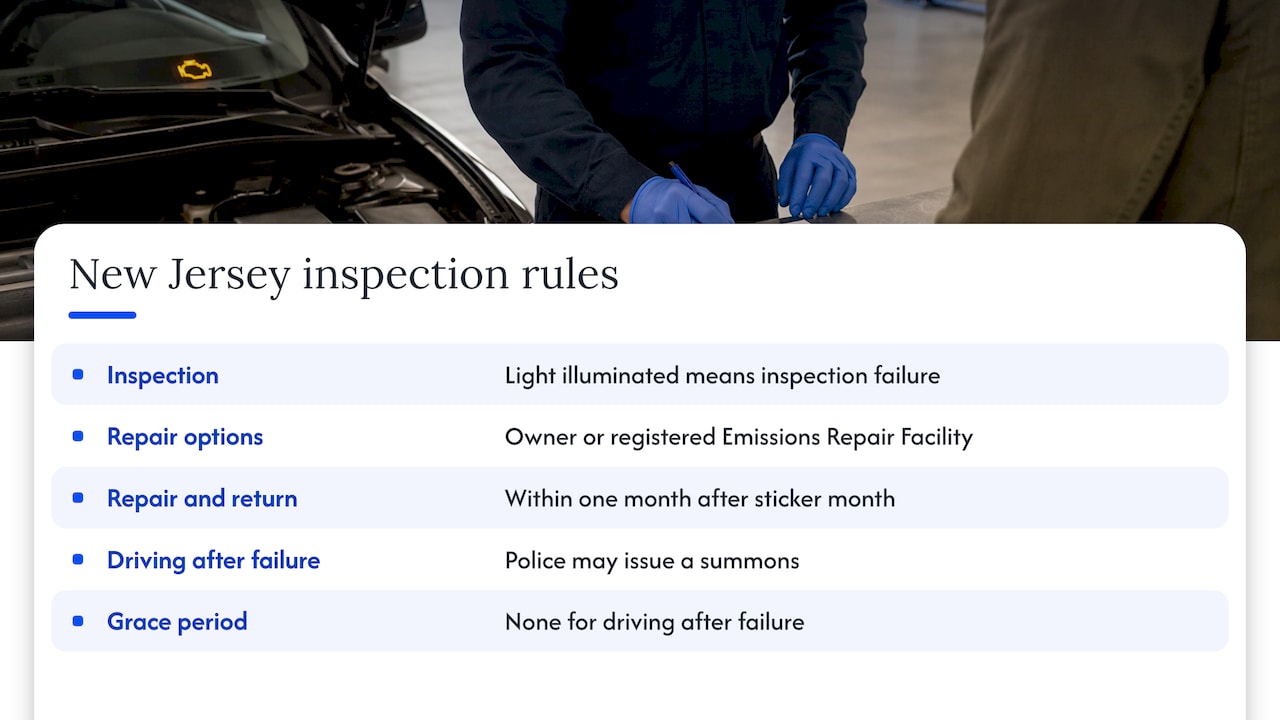
In New Jersey, the state’s OBD II guidance states that a vehicle will fail inspection if the check engine light is illuminated. After a failure, repairs can be done by a registered Emissions Repair Facility or by the owner, and the vehicle has up to one month after the last day of the month on the sticker to repair and return for re-inspection.
One warning for anyone tempted to keep driving: the same MVC page says police can issue a summons whenever you drive a vehicle that has failed inspection, and there is no grace period. Plan to have the car picked up rather than driven around for test drives.
Paperwork for the handoff is covered in 3 forms for NJ car sale paperwork and our private sale guide for NJ.
What the light does to your price
Buyers see a warning light and assume the worst. Published estimates from industry blogs put the hit at roughly 15% to 30% of perceived value, per AmpAuto, while Dr. Vin’s pricing guide reports buyer discounts of $400 to $1,000 for a light with a known minor cause, even when the repair itself often costs $50 to $300. These are sellers’ rules of thumb, not official figures, so treat them as a range and not a promise.
The pattern is consistent, though: an unknown fault costs you more than a known one. A buyer who has to guess prices in the worst case. A buyer who sees a scan report and a written estimate prices the real problem.
| Situation | What buyers tend to assume | What helps you |
|---|---|---|
| Light on, no code read | Worst case, big discount | Read the code before listing |
| Light on, minor cause identified | Smaller discount | Scan report plus written estimate |
| Light blinking or major cause (catalytic converter, engine) | Large discount | Honest description, offer that accounts for the repair |
| Light cleared right before showing | Suspicion once it returns | Never do this |
Fix it first, or sell as-is?
This is the real decision. Work through it in order.
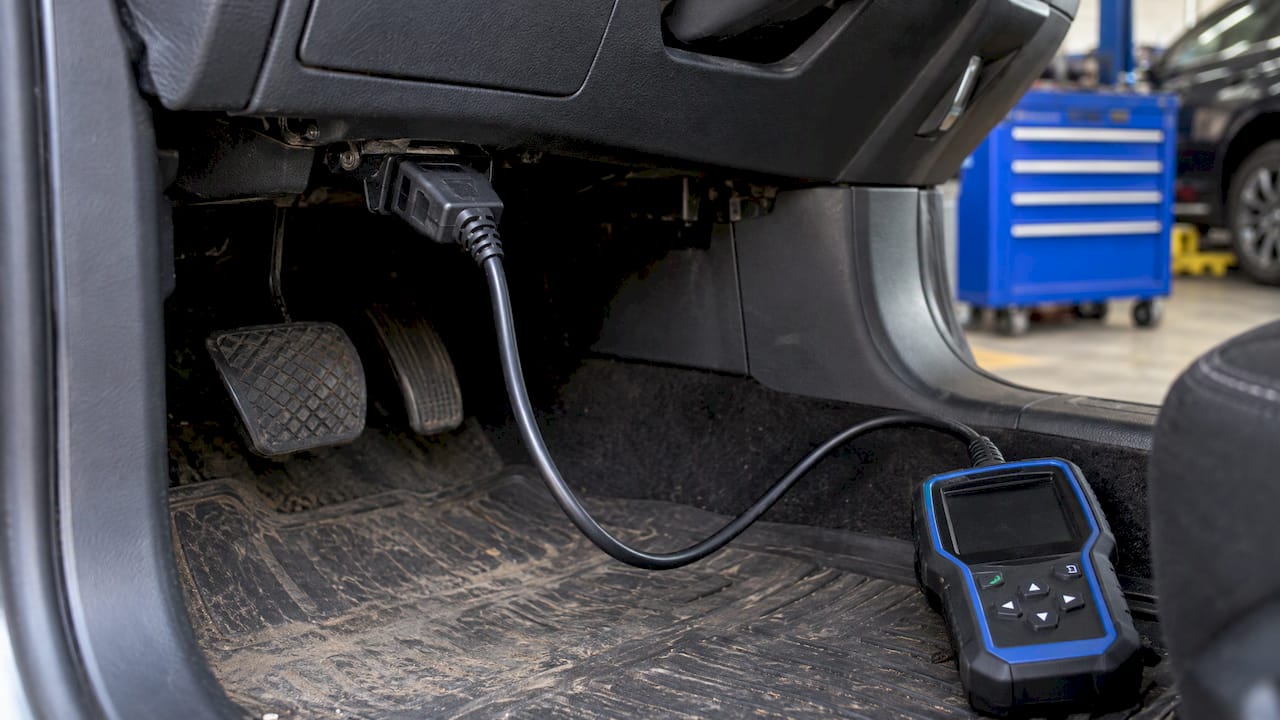
Step 1: Read the code
Start with an OBD-II scan. Many auto parts stores will read codes at no charge, though policies vary by store. Treat the code as a clue, not a full diagnosis. The same code can come from a cheap sensor or an expensive part.
Step 2: Get a written estimate
A paid inspection with a written fault description and repair estimate gives you something concrete. AAA’s advice is to get a written estimate on repair costs rather than spend money and hope to get more for the car. Their example: replacing SUV tires might cost $600 to $800, and you may not get $800 more at sale.
Step 3: Compare cost and gain
- Cheap, clear repair (a gas cap, a sensor): fixing it often makes sense, because the light is the main thing putting buyers off.
- Expensive or unclear repair: disclose the code, share the estimate, and price the car with the repair in mind. One blog suggests a threshold of about $300 as the line between fixing and disclosing, per AmpAuto. Use it as a loose guide only.
- Possible warranty coverage: Federal rules give emission control parts a longer reach than many owners realize. For light-duty vehicles, the emission performance warranty is 24 months or 24,000 miles, and 8 years or 80,000 miles for specified major components such as catalytic converters. Check your mileage and age before paying for a repair.
Step 4: Pick your sale route
| Route | Speed | Effort | Where the light hurts |
|---|---|---|---|
| Private listing | Days to weeks | Photos, messages, test drives, paperwork | Buyers haggle hard or walk away |
| Dealer trade-in | Same day | Low | Offer is reduced for reconditioning |
| Cash car buyer | Often same day | Low | Priced in at the offer stage |
Our fast car sale options for NY, NJ and CT compares these trade-offs in more detail, and if a dealer has already lowballed you, see how to raise a low dealer trade-in offer.
What to tell the buyer and put in writing
Honesty speeds up the sale. Here is the checklist, adapted from this seller guide:
- Say the light is on before any test drive.
- Share what you actually have: the scan code, any inspection report, the repair estimate and service records.
- Be precise about what you do not know. “The scan shows a code for X, I have not had it diagnosed” beats a guess.
- Put the known condition in the bill of sale, with the VIN, mileage, price, date, both names and a short description of the warning.
- Both sign, and both keep a copy.
- Never promise the car will pass inspection unless it has passed and the certificate is still valid.
In New York, an acceptable bill of sale includes year and make, VIN, date of sale, price, and both signatures, and the new owner hands it to the DMV when titling. Our guides on reporting a car sale in NY and private sale risks walk through what can go wrong afterward.
On clearing codes: an emissions-related light often triggers a failed test, and wiping the code before a buyer looks fixes nothing. The car fails again at the next test, and the buyer may suspect the reset.
Perspective
Most people with a lit dashboard are stuck between two bad ideas: pay for a diagnosis on a car they want gone, or list it and spend weeks answering the question “what’s wrong with it?”
We built our service around a third option. We come to you in New York, New Jersey or Connecticut, look at the car, give you a cash offer, and handle the paperwork. Our guarantee is that we pay the price we stated at pickup, so the number you hear is the number you get. We buy running and non-running vehicles, which means a warning light is not the end of the conversation.
Our view: if the repair is cheap and obvious, fix it. If it is not, you should not have to gamble your own money to find out. Tell us what the light is doing, and we will price the car as it really is.
Eric
Get a cash offer on a car with a warning light
If you would rather skip the repair estimate, the listing and the strangers, Tri State Cash For Cars will send a team to you, give a cash offer and handle the paperwork. We guarantee to pay the quoted price at pickup, and our process is designed to put cash in your hand within an hour.
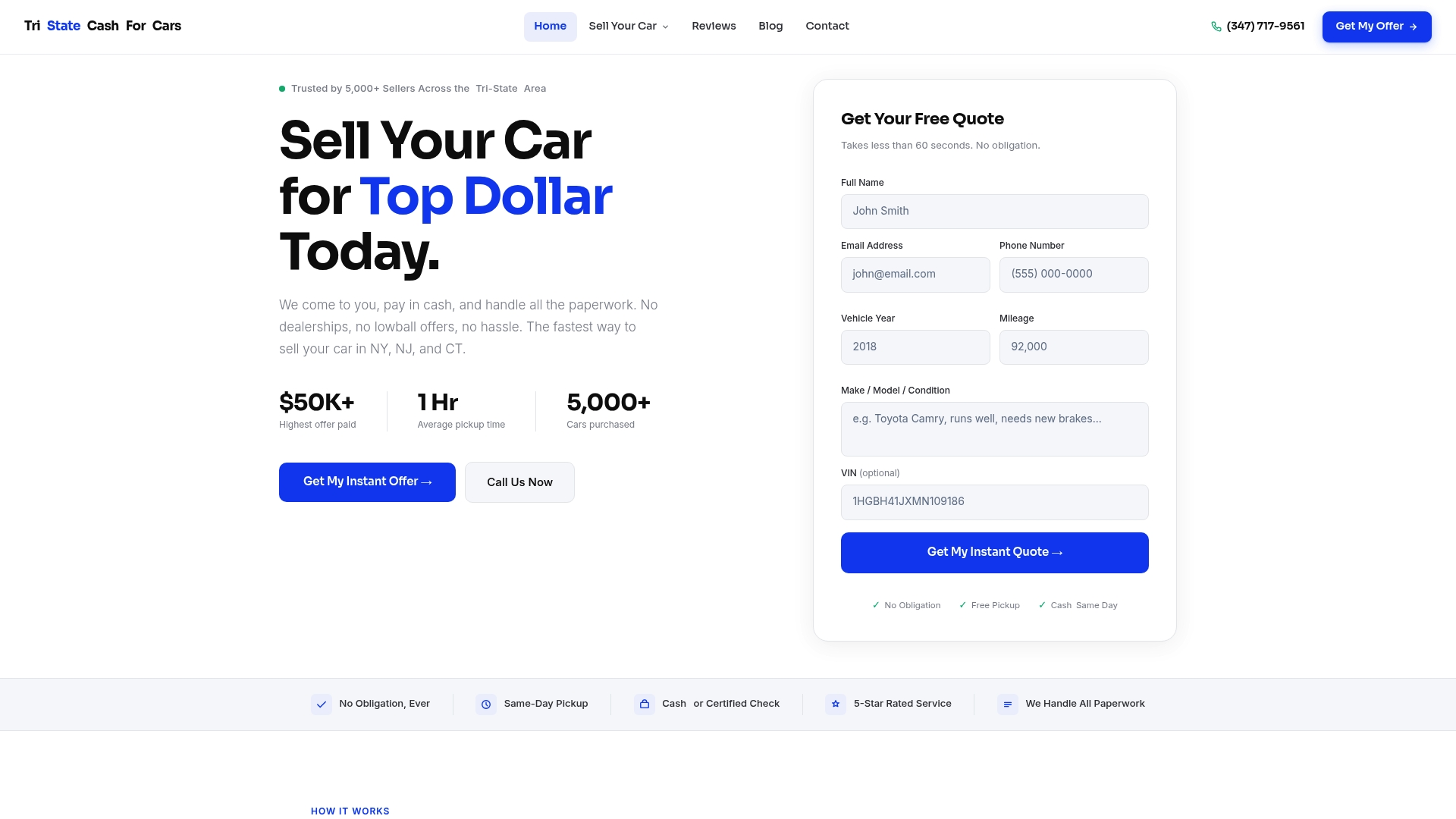
Have your VIN, mileage and any code you have scanned ready, and tell us honestly what the light is doing. That helps us quote accurately. To see how our offers hold up, read about our guaranteed car offer and what to sign at car pickup.
Mistakes to avoid
- Driving a blinking-light car around for showings. It can cause real engine damage. Arrange pickup.
- Driving a failed-inspection car in New Jersey. Police can issue a summons with no grace period.
- Writing “passes inspection” on a bill of sale without a valid passing certificate.
- Skipping the damage disclosure in New York. For newer vehicles, the DMV will not title the car without it.
- Spending more on repairs than the car will return. Get the estimate first.
FAQ
Can you sell a car with the check engine light on?
Yes. In most states no law prohibits it, but you are generally expected to disclose known mechanical problems. Local emissions and inspection rules still apply, so check your state’s requirements before listing.
Will a dealer or cash buyer take a car with the light on?
Often yes, but the offer is adjusted for the likely repair. We buy cars with warning lights, running or not, and we state our offer up front and pay that amount at pickup.
Should I fix the light before selling?
Read the code and get a written estimate first. If the repair is small and clearly tied to the light, fixing it can help. If it is costly or unclear, disclosing it and selling as-is, or taking a cash offer, may leave you better off than paying for repairs.
Does a steady light mean the same as a flashing one?
No. A steady light means a fault has been detected and you should see a mechanic soon. A flashing light points to a severe problem such as a misfire, so slow down and get help to avoid engine damage.
Sources
- EPA: check engine light guidance
- Pennsylvania DEP: car care
- Gym Hike: selling with a check engine light
- Selling a car that failed inspection or emissions
- California Bureau of Automotive Repair: Smog Check
- FTC: Dealer’s Guide to the Used Car Rule
- NY DMV: Safety/Emissions Inspection Program
- NY DMV: Let the Buyer Be Aware
- NY DMV: Buy, Sell, or Transfer Vehicle Ownership
- NJDEP: OBD II information
- NJ MVC: What if my vehicle failed inspection?
- AmpAuto: selling with a check engine light
- Dr. Vin: condition-based pricing guide
- Cha-Ching: selling with a check engine light
- AAA Northeast: how to sell your car
- eCFR: 40 CFR 85.2103 emission warranty