Eco-Friendly Car Disposal in NY: Your Options and Rules
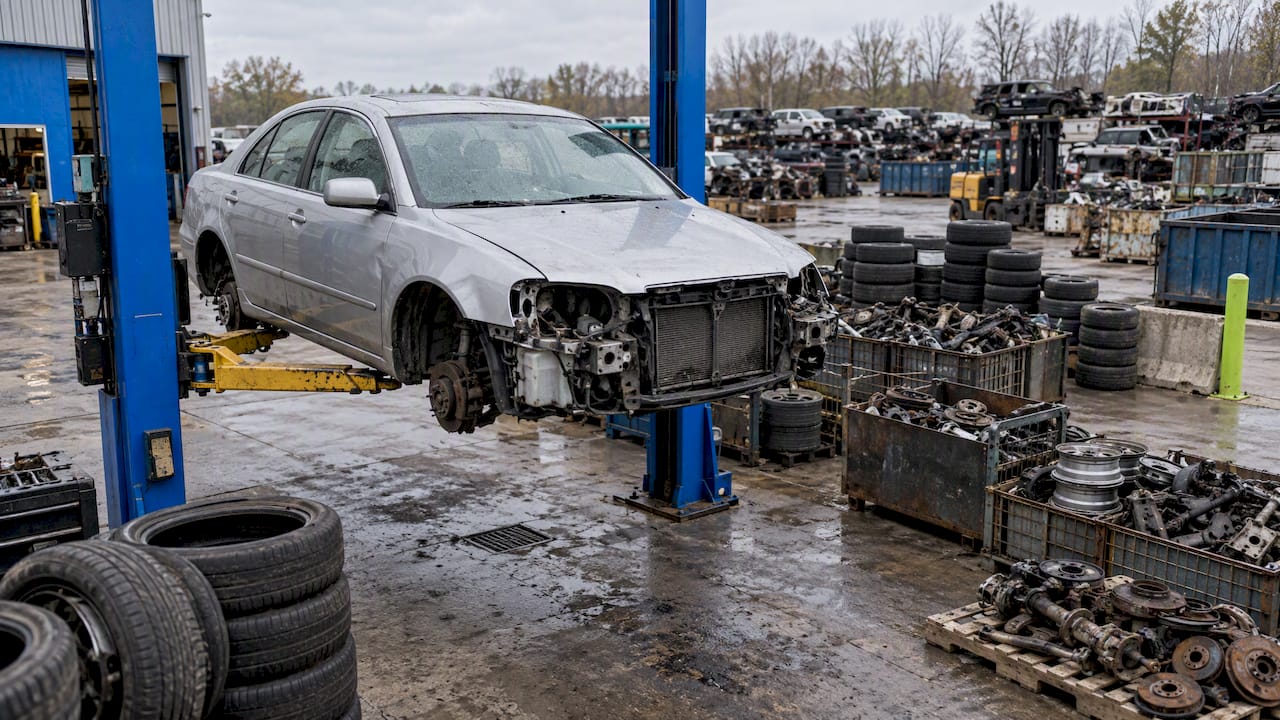
The greenest way to get rid of a car in New York is to hand it to a business that keeps it in the reuse chain, either as a running vehicle, as parts, or through a regulated dismantler that drains and captures every hazardous fluid. Leaving it on the street, dumping its battery or tires in the trash, or giving it to an unlicensed hauler is where the environmental damage, and the fines, happen. Below you will find the real options, what happens to a car at a responsible facility, the NYC-specific rules, and the paperwork that closes the file.
TL;DR
- Selling, donating or sending a car to a regulated vehicle dismantling facility all keep it out of landfills. Abandoning it or tossing parts in household trash does not.
- New York regulates dismantlers through the Department of Environmental Conservation (DEC), which requires them to manage fluids, batteries, mercury switches and refrigerants.
- In NYC, improper disposal can bring a summons and a fine of up to $1,000, and tires and car batteries are banned from regular trash.
- Finish the job at the DMV: complete the title, keep the receipt, and transfer or surrender your plates.
- A non-running car can still be sold for cash with same-day pickup, which is often the simplest responsible route.
Table of Contents
- What “eco-friendly” actually means for an old car
- Your options, compared
- Selling is the lowest-effort green option
- What a responsible recycler does with your car
- Rules for New York City owners
- Donating a car: when it makes sense
- Perspective
- Finish at the DMV: title, receipt and plates
- A simple decision path
- Promo: get a guaranteed offer and a same-day pickup
- Checklist before the car leaves
- FAQ
- Sources
What “eco-friendly” actually means for an old car
A car is mostly steel, aluminum and other metals that are worth recovering. It is also a container of things that should never reach soil or water: gasoline or diesel, engine oil, coolant, brake and transmission fluid, refrigerant from the air conditioner, a lead-acid battery, and in older models, mercury switches.
So a responsible disposal does three things:
- Keeps the car in use as long as possible. A vehicle that runs, or whose parts can fit other cars, is better reused than shredded.
- Gets the hazardous materials out safely. That means a facility that drains fluids over a protected surface and handles batteries and refrigerants correctly.
- Leaves a clean paper trail. The car is no longer yours on paper, so you are not liable for tickets, tolls or an abandoned-vehicle summons.
Every option below is judged on those three points.
Your options, compared
| Option | Best for | Environmental upside | What to watch |
|---|---|---|---|
| Sell it for cash to a buyer that handles pickup | Running or non-running cars, owners who want speed | The car is resold, parted out or wholesaled instead of sitting and leaking | Compare offers and confirm pickup is free |
| Donate to a nonprofit | Owners who care more about a cause than cash | Vehicle goes to resale or recycling through the charity | Pickup and eligibility rules differ by organization; tax rules are strict |
| Take it to a registered vehicle dismantling facility | Cars that are truly end of life | Regulated draining, battery and refrigerant handling | Confirm registration and ask about towing and payment |
| Sell to a private buyer | Cars in good shape | Extends the car’s life | Title, plate and liability paperwork is on you |
| Leave it on the street or in a lot | Nobody | None | Illegal to abandon on public property in NYC |
Most owners who read this far are choosing between the first three. The rest of this guide helps you decide.
Selling is the lowest-effort green option
If the car has any value, even a damaged or non-starting car, selling it beats paying for disposal. A buyer who takes cars for resale, parts or wholesale has a financial reason to keep the vehicle’s components in circulation, and you skip the towing bill and the DMV-run-around of a DIY drop-off.
That is what we do at Tri State Cash For Cars: we buy cars, SUVs, trucks, vans and commercial vehicles in New York, New Jersey and Connecticut, running or not, with or without a title. We send a team to your location, give you a guaranteed cash offer, handle the paperwork, and pay at pickup. If your car does not start, our page on cash for a non-running car with same-day pickup explains how it works.
How to compare offers without getting caught by fees
Pickup fees and “adjustments” at the curb are where a good-looking number turns into a bad deal. Industry guidance recommends comparing several instant offers on the same day, because scrap-driven prices move and pressure tactics rely on you not having a second number. Before you accept anything:
- Ask whether the quote is guaranteed and whether it is paid in full at pickup.
- Ask whether towing or pickup costs anything. It should not come out of your payment.
- Tell them the truth about condition, missing parts, and title status up front, so the number does not change in your driveway.
- Confirm who handles the title paperwork and the bill of sale.
Our own guaranteed car offer page walks through the odometer and title details that most often cause a quote to shift, so you can sort those out before the buyer arrives. And if accuracy is your worry, see how instant offers can be made more accurate.
What a responsible recycler does with your car
If a car is past the point of resale, it goes to a vehicle dismantling facility, or VDF. In New York these are regulated by the DEC under 6 NYCRR Part 361-7, which requires them to manage hazardous materials such as automotive fluids, lead-acid batteries, mercury switches and refrigerants. The state’s page for these facilities reported about 368 registered facilities statewide as of April 2026.
What the DEC expects in practice:
- Fluids come out first. The DEC’s guidance calls for draining fuels and refrigerants into proper containers, removing batteries and engines, draining on an impervious pad, and labeling waste-fluid containers so spills do not reach surface water or groundwater.
- Batteries stay dry. Under the facility rules, lead-acid batteries must be stored covered so water is severely restricted from contacting them.
- Fluids are stored safely. The same rules call for closed, marked containers on a bermed asphalt or concrete surface, or an equivalent protective surface.
- Prevention comes first. The DEC’s compliance guide for auto recyclers defines pollution prevention as eliminating or reducing the volume or toxicity of waste before it is generated, recycled, treated or released.
The practical takeaway: ask any facility or hauler whether it is a registered vehicle dismantling facility, or whether it delivers cars to one. A truck with a magnet sign and no answer is not a green option.
Rules for New York City owners
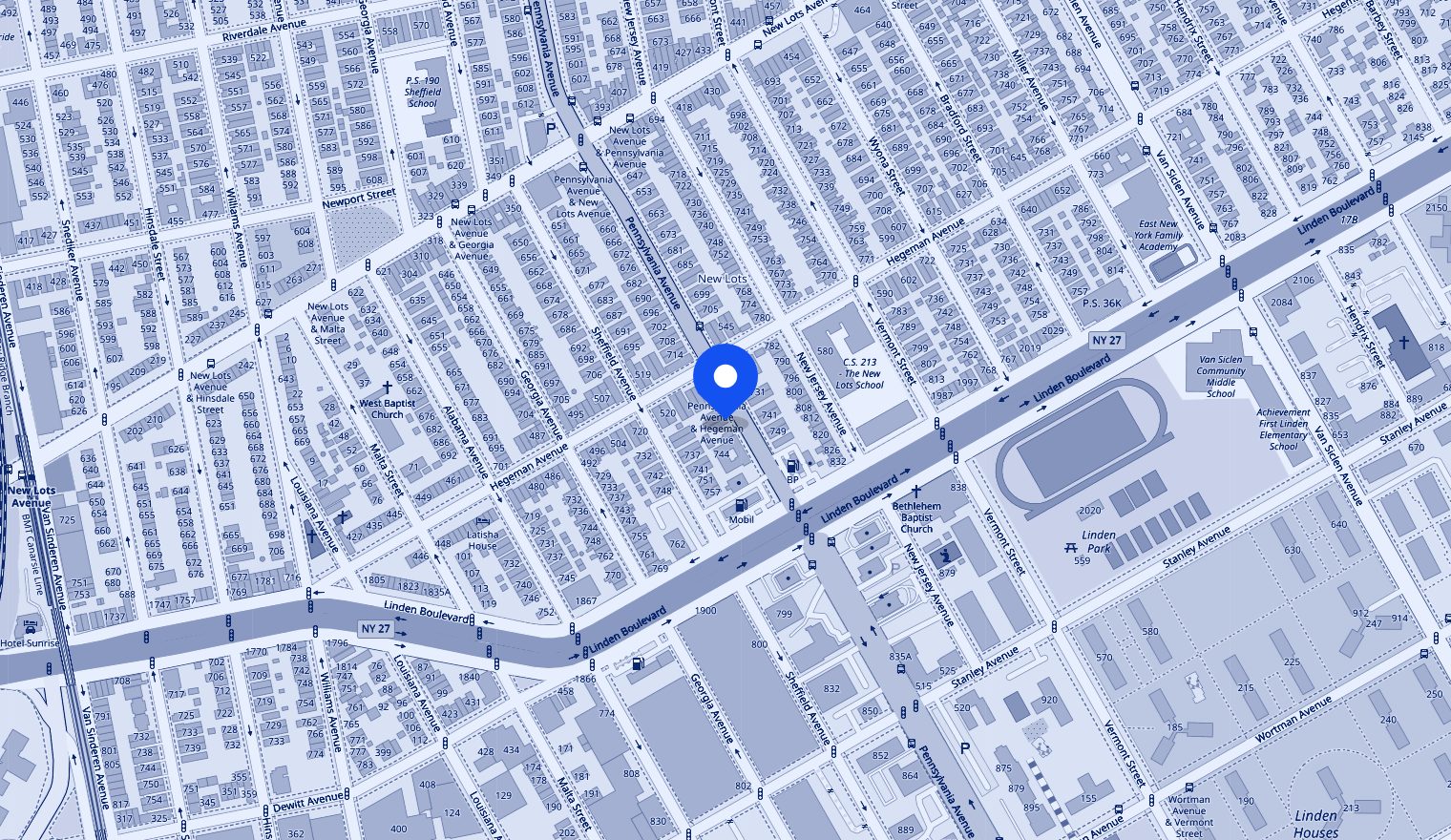
NYC adds a layer of enforcement on top of state rules. According to NYC311’s vehicle disposal guidance:
- It is illegal to abandon a vehicle on public property.
- The legal route is to transfer the car to a motor vehicle wrecker or junk dealer.
- Improper disposal can result in a summons and a fine of up to $1,000.
Tires and batteries are the parts people most often mishandle:
- Tires: illegal in household trash, but New York State law requires businesses that sell tires to accept used tires for recycling.
- Batteries: also barred from the trash. The Sanitation Department says they can go back to service stations, auto supply stores or DSNY Special Waste Drop-Off Sites.
If you are selling the whole car, you do not need to pull the battery or tires yourself. Leave the car complete, which also helps its value. Only handle these parts separately if you are stripping a car you are keeping.
Donating a car: when it makes sense
Donating suits owners who want the car to support a cause. Charities in the city, such as Habitat for Humanity ReStore or The Salvation Army, may accept vehicles, but pickup and eligibility policies vary by organization, so call before you schedule a tow.
The tax side is narrower than most ads suggest. The IRS explains in Publication 526 that special rules apply to a qualified vehicle donation, and that a deduction of more than $500 involves Form 1098-C from the charity. In many cases the deduction depends on what the charity does with the car, such as selling it, so read the publication or ask a tax professional before assuming you will deduct the car’s full market value.

If cash in hand matters more than a deduction, selling is the more predictable route.
Perspective
Most people who call us about getting rid of a car are not thinking about the environment first. They are thinking about a car that will not start, a lot they need cleared, or an offer from a dealer that insulted them. But those are the same situations where a car ends up leaking in a driveway for two more winters.
Our view is simple: a car that is picked up the same day, paid for on the spot, and moved on into resale, parts or wholesale channels is a car that stops being a problem. That is why we built our service around a guaranteed offer, pickup at your location and all paperwork handled, whether the car runs or not.
The greenest disposal is usually the fastest responsible one. We would rather you call us, get a firm number, and be done in a day than wait months for the perfect buyer while the car sits.
Eric
Finish at the DMV: title, receipt and plates
Disposal is not done until the paperwork is. For the state-level steps:
- Complete the title. NYC311 says to complete the title form (or the registration for a pre-1974 vehicle) and make sure the wrecker’s name appears as the new owner.
- Keep the receipt. Save the wrecker’s receipt as proof the car left your hands.
- Handle the plates. The DMV says you can transfer the registration and plates to another vehicle you own, or surrender the plates if you do not want to transfer the registration.
- Destroy old plates properly if you receive new ones. The DMV says to mark each plate with permanent marker or cut it up, then recycle it as scrap metal.
If you want to end the insurance and registration costs cleanly, we explain how to cancel a registration in New York and how plate surrender by mail or in person works. Lost the title? Our guide on selling a car without a title in NY covers the duplicate and alternatives. Before the buyer drives away, review what to sign at pickup.
A simple decision path
Does the car run, or could it with a small repair? Sell it. Someone will drive it, and that is the best reuse of all. Get at least two same-day offers.
Does it not run, or is it damaged? Still sell it for cash first. Buyers who take cars for parts and wholesale pay for them, and pickup is usually part of the service.
Is the car worth very little and you care about a cause? Call a charity, ask what they do with the vehicle, and read the IRS rules before expecting a deduction.
Is it truly end of life? Use a registered vehicle dismantling facility, confirm its DEC status, and keep the receipt.
Are you in NYC with no driveway? Do not leave the car on the street while you decide. Abandonment is illegal, and the fine can reach $1,000.
Promo: get a guaranteed offer and a same-day pickup
If you want the responsible option without the legwork, we make it direct. Tell us about the car, get a guaranteed cash offer, and our team comes to you in New York, New Jersey or Connecticut. We pay the quoted price at pickup and handle the paperwork, for running and non-running vehicles alike.

Start on our Sell Your Car page for an offer, or if you are in the city, see how we work in Manhattan. Prefer to compare timing and payout first? Our fast car sale options guide lays out 24 to 72 hour cash against waiting for more money.
Checklist before the car leaves
- Remove personal items, toll tags, parking permits and anything in the trunk and glovebox.
- Photograph the car, the odometer and the signed paperwork.
- Cancel or adjust insurance only after the car is gone and the plates are handled.
- Keep copies of the bill of sale or wrecker receipt.
- Do not leave fluids, tires or a spare battery for the buyer to deal with unless you agreed in advance.
- Confirm the payment method before the tow truck arrives.
FAQ
Is it legal to just leave an old car on the street in NYC?
No. NYC311 states that abandoning a vehicle on public property is illegal, and improper disposal can bring a summons with a fine of up to $1,000. Transfer the car to a wrecker, junk dealer or a buyer and keep the receipt.
Can I throw away the tires or battery from my car in NYC?
No. The Sanitation Department says tires and car batteries cannot go in household trash. Tires can go to businesses that sell tires, and batteries to service stations, auto supply stores or DSNY Special Waste Drop-Off Sites.
Can I sell a car that does not run?
Yes. We buy running and non-running vehicles in New York, New Jersey and Connecticut, with or without a title, and we send a team to pick the car up. You get a guaranteed offer first, and payment comes at pickup.
What do I do with my license plates after the car is gone?
You can transfer the registration and plates to another vehicle you own, or surrender the plates to the DMV if you do not want to transfer the registration. If you get new plates, mark or cut the old ones and recycle them as scrap metal.
Sources
- Vehicle Dismantling Facilities, NYSDEC
- Article 27 Title 23 Vehicle Dismantling Facilities, NYSDEC
- Environmental Compliance and Pollution Prevention Guide, NYSDEC
- Vehicle Disposal, NYC311
- Automotive Waste, NYC DSNY
- DonateNYC brochure
- How to transfer a registration to another vehicle, NY DMV
- Destroy (Recycle) Old Vehicle Plates, NY DMV
- Publication 526, Charitable Contributions, IRS
- How to Compare Instant Cash Offers, CarEdge