How to Sell a Work Van in NY: Options, Paperwork, Payment
You can sell a work van in New York three ways: privately, as a dealer trade-in, or to a cash buyer who comes to you. A private sale usually brings the most money and the most work. A trade-in is fast but pays the least. A cash buyer sits in the middle: a firm price, no strangers kicking the tires, and payment on the day. Whichever you pick, the New York paperwork is the same, and most failed van sales trip on it: the title, the MV-912 bill of sale, the lien and the plates.
This guide covers how to choose, how to price and prepare the van, what the DMV requires, and how to hand over the keys without getting burned.
TL;DR
- Private sale can earn the most but costs time: photos, calls, viewings and paperwork. A cash buyer trades a little price for speed and certainty.
- Sign the title transfer section and the MV-912 at closing, and give the buyer a bill of sale with the VIN, date, price and both names.
- A lien does not block a sale in New York: hand over the original title with the original lien release.
- Take your plates off the van, then transfer them to another vehicle or surrender them.
- Tri State Cash For Cars buys vans in New York, runs or not, guarantees the quoted price and pays at pickup.
Table of Contents
- Three ways to sell a work van in New York
- Decide whether to sell now or repair first
- Prepare and price the van
- The New York paperwork, step by step
- Selling a van that has a lien
- Plates, insurance and reporting the sale
- Handing over the van and getting paid safely
- Our perspective on selling a work van
- Sell your work van to us
- A quick checklist before you close
- FAQ
- Sources
Three ways to sell a work van in New York
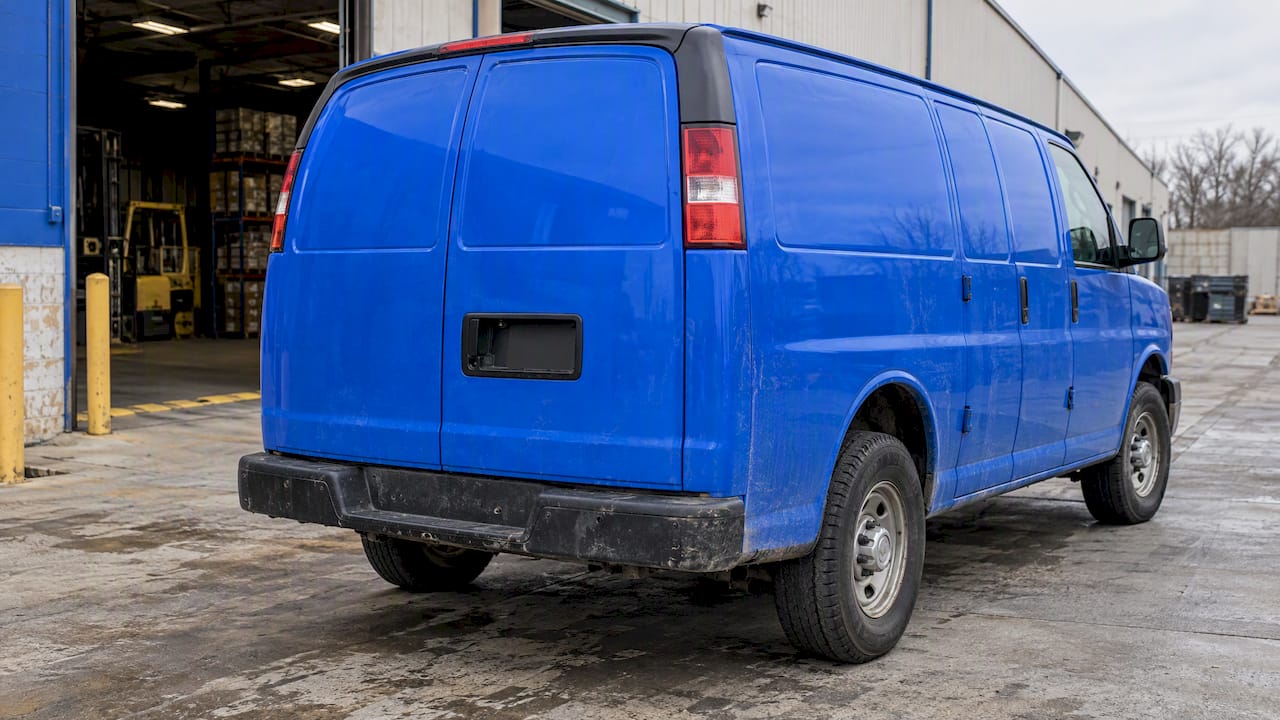
A work van is not a sedan. Buyers care about cargo space, shelving, ladder racks, payload and how the miles were put on. That changes which route makes sense.
| Route | Typical price | Effort | Speed | Best for |
|---|---|---|---|---|
| Private sale | Highest potential | High: photos, inquiries, viewings, paperwork | Days to weeks | Clean, well-equipped vans with records |
| Dealer trade-in | Lowest net | Low | Same day, but tied to buying another vehicle | Replacing the van right away |
| Cash buyer | Firm quote, below the best private result | Low | Often same day | Sellers who value certainty and time |
That ranking matches the way one 2026 seller guide frames it: private sale maximizes proceeds, online buyers cut friction, and trade-ins favor speed. You are trading price against effort and certainty. Decide which of the three you value most, then choose.
When a private sale is worth it
If the van is under warranty-era mileage, has records and a clean title, and you have a few weeks and a driveway, private is usually the way to the highest number. You will field low offers, no-shows and people who want to “just look” at a van they cannot afford. Plan for that.
When a trade-in makes sense
A trade-in works if you are buying a replacement from the same dealership and need the van off the books today. Dealers tend to price commercial trade-ins with their resale margin in mind, so expect the lowest net. Ask for the trade-in value separately from the new-vehicle price so you can see what you are really getting.
When a cash buyer fits
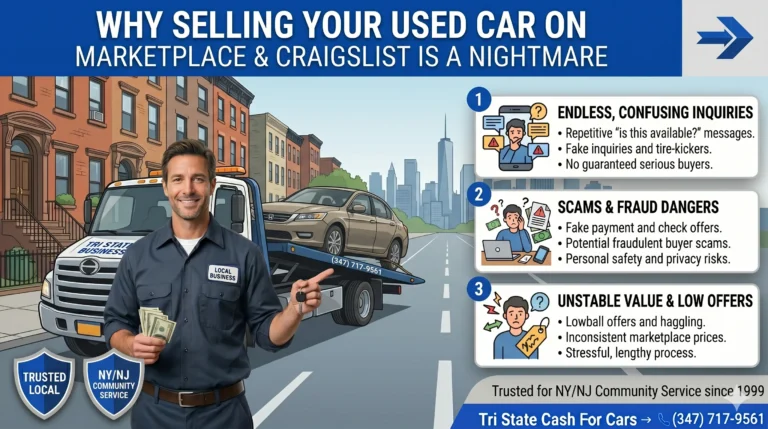
A cash buyer fits when downtime costs you money. A contractor with a van in the shop, a delivery owner closing a business, or an owner with a van that no longer starts does not benefit from three weeks of listing. This is the part of the market we work in. We come to your location in New York, give you a cash offer, handle the paperwork and pay when we pick up the vehicle. Our commercial vehicle page explains how that works for selling commercial vehicles in New York.
Decide whether to sell now or repair first
Before you list anything, run the numbers on the van’s future. One business-vehicle guide suggests looking at reliability, driving pattern, special equipment, likely repairs, downtime and replacement cost. It also points out that stop-and-go city miles are harder on a vehicle than highway miles, and that selling gets harder as a van nears 100,000 miles.
That matters in New York, where a delivery or trades van spends its life in traffic, on potholes and in tight loading zones. Two quick tests:
- Repair cost versus value. If a transmission or engine repair costs more than the van will be worth afterward, selling as-is is usually smarter.
- Downtime cost. Every day the van sits, you lose jobs. Add that to the repair bill before you decide.
If you do sell as-is, say so plainly and price accordingly. Non-running vans can still be sold, and we buy them, but be honest about the condition so the offer matches reality.
Prepare and price the van
Preparation is cheap and moves the price more than most owners expect. Commercial Truck Trader’s advice for cargo vans boils down to a short list: clean it, finish needed maintenance, gather the title and service records, and photograph the cargo area and equipment.
In practice:
- Empty it. Remove tools, inventory and anything that is not part of the sale. Decide up front whether shelving, racks and bins stay or go.
- Clean the cargo area. Buyers judge a van by its floor and walls. Scrub the load area, clear out debris and remove old decals if you can do it without damaging paint.
- Fix cheap things. Replace burned-out bulbs, wipers and a dead battery. Leave major repairs alone unless you did the math above.
- Gather records. Title, maintenance receipts, warranty paperwork and repair invoices. Records are the closest thing a used work van has to a resume.
- Photograph everything. Exterior from all sides, cab, odometer, cargo area, tires and any special equipment.
Our own guide to preparing your car for sale walks through the same ideas for any vehicle.
Setting a price
Compare your van’s make, model, year, mileage and condition against regional listings, then check valuation tools such as Kelley Blue Book and auction results. Add value for real upgrades: bulkhead partitions, shelving, ladder racks, a hybrid or electric drivetrain. Subtract for body damage, rust, worn tires and missing records.
Two cautions. First, asking prices are not selling prices, so look at vans that sold if you can see them. Second, a van lettered with a business name is harder to sell privately to some buyers; consider peeling the lettering before photos. For a specs-driven look at what buyers check, see our page on selling a cargo van fast.
The New York paperwork, step by step
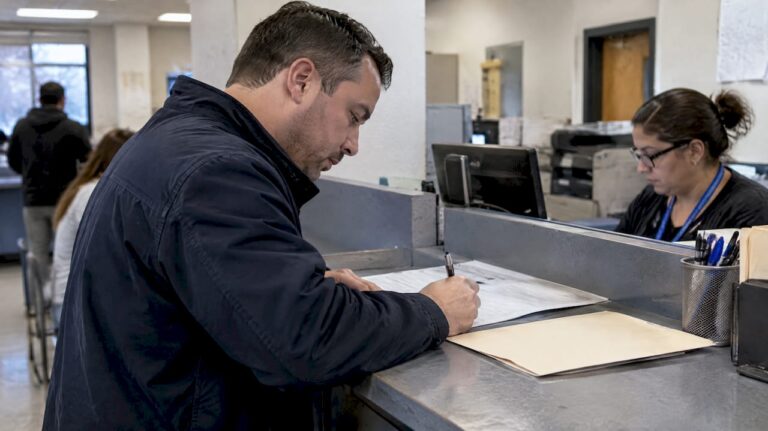
The New York DMV states that at closing the seller signs the title transfer section and the MV-912, and the buyer signs the bill of sale. Most sales also need proof of sale and proof of ownership.
The title
The title is your proof of ownership. Check that the name on it matches yours, that the VIN matches the van, and that you sign in the seller’s section exactly as printed. If the title is lost, you will need a replacement before most buyers will close. We cover the options, including the duplicate fee and the MV-35, in our guide to selling a car without a title in NY. For the types of documents the DMV accepts as ownership evidence, see proof of ownership in NY.
The bill of sale
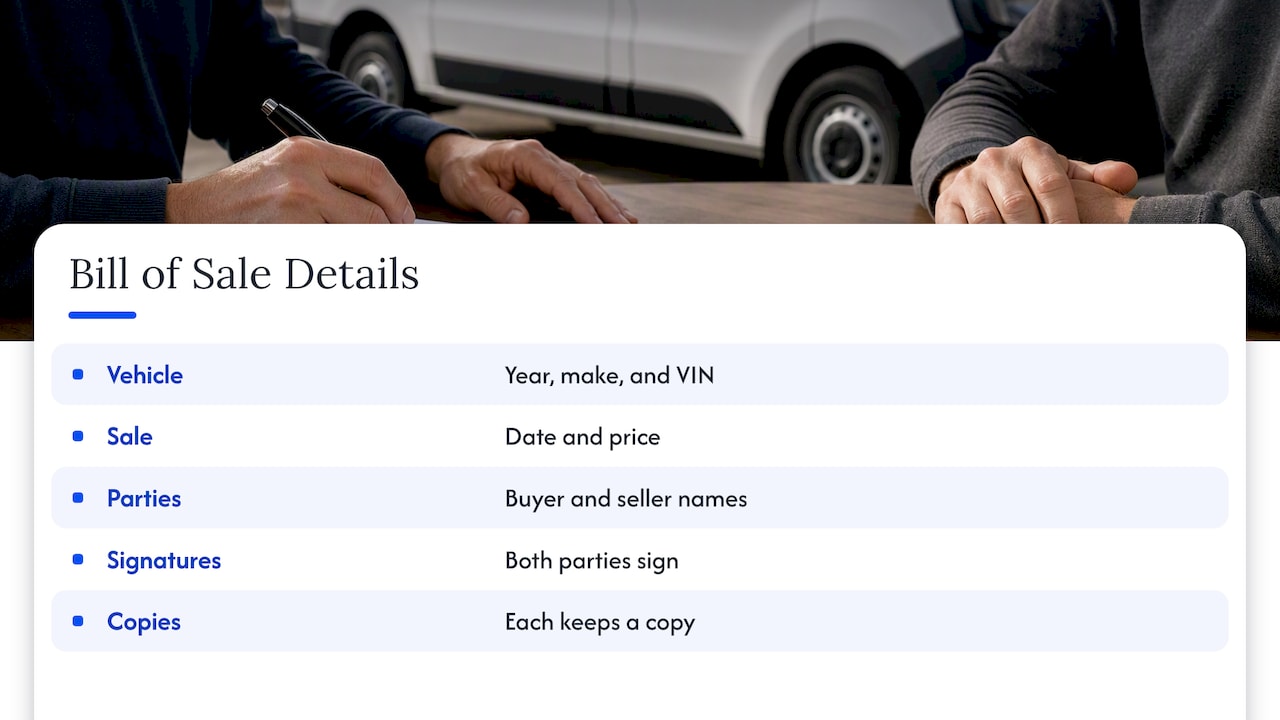
The DMV’s description of a bill of sale: it records who sold and bought the vehicle, when, and for how much. Include the year and make, VIN, sale date, price, and both parties’ names and signatures, and keep a copy each, as the DMV guidance on buying, selling and transferring describes. Our walkthrough of the MV-912 and DTF-802 shows how the forms fit together.
Odometer disclosure
Mileage is part of the transfer. If you are unsure when a separate odometer form applies, our page on odometer disclosure in NY explains when MV-103 comes into play.
What the buyer has to do
After the sale, the buyer must register and title the van and pay sales tax or show an exemption, according to the DMV. The buyer’s package, listed in the MV-82.1 registration guide, includes the MV-82, proof of ownership, New York insurance, proof of inspection, a bill of sale, identification, sales-tax paperwork and payment.
For a van bought from a private seller, the buyer typically files a Statement of Transaction, Form DTF-802. The Tax Department’s DTF-802 says sales tax follows the buyer’s residence rate, or the business’s location if the new owner is a business. It also says that if the stated price is below fair market value, the seller must complete the fair-market-value section. So do not write a token price on the bill of sale: it can create questions for both sides.
Business-owned vans
If the van is registered to a company, the person signing needs authority. For a corporation, the DMV asks for proof of incorporation; for a partnership, proof of the partnership. An authorized agent should bring a full name, title and government-issued photo ID. Sort this out before closing day, not during it.
Selling a van that has a lien
A loan on the van does not stop you from selling it. The DMV says you do not have to remove a lien from the title before selling: you can give the buyer the original title together with the original lien release.
If you want a lien-free title first, submit the original proof that the lien was satisfied, the original title and a $20 payment. The DMV mails the new title in 60 to 90 days, per the same page, which is too slow for most sales. In practice, pay off the loan, get the lien release from the lender, and hand both documents to the buyer.
If you still owe more than the van is worth, contact your lender before you accept any offer. The payoff amount is what decides whether you can close at all. Our car buying service process explains how a sale with a loan works with us.
Plates, insurance and reporting the sale
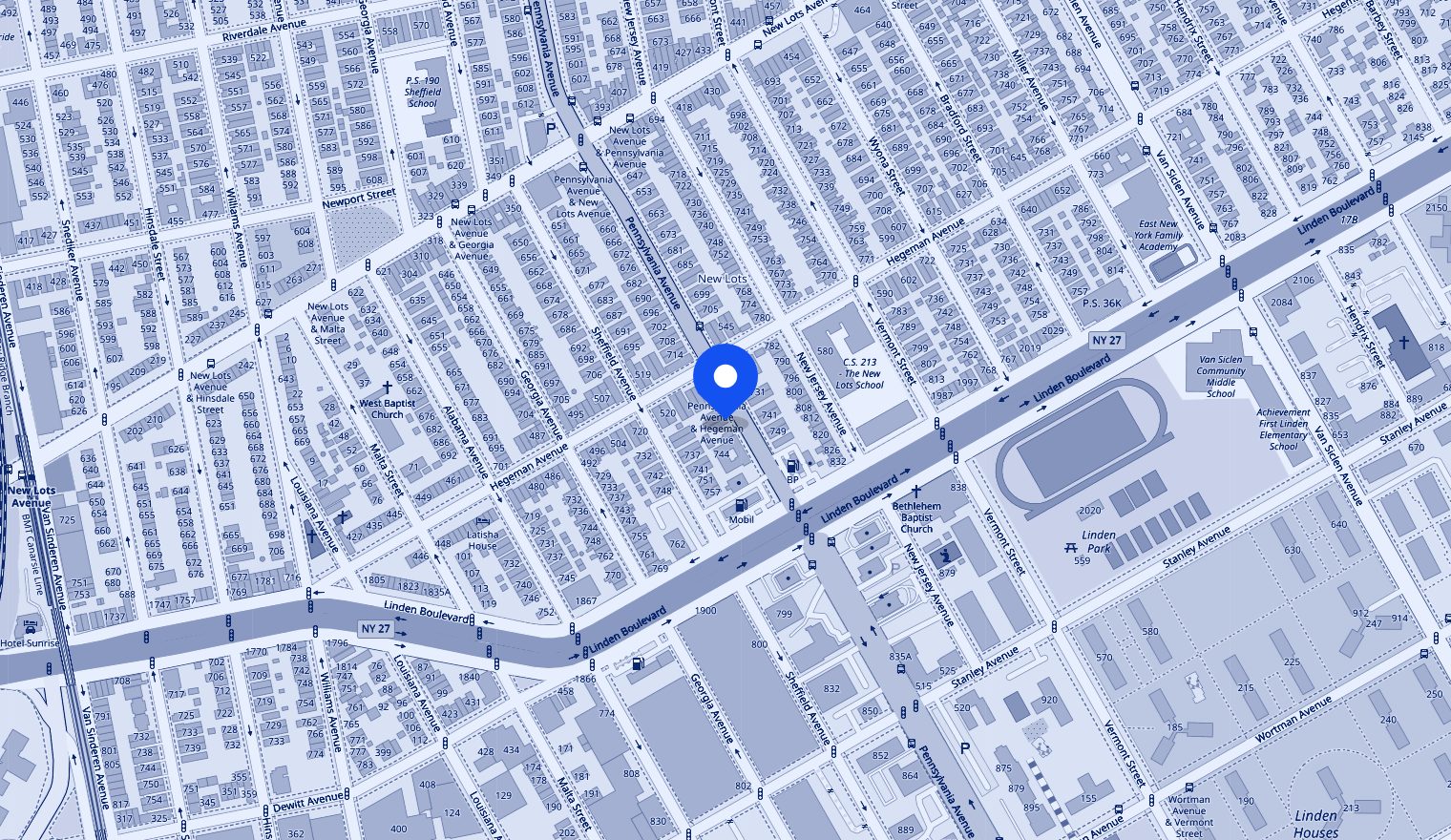
Take the plates off before the van leaves. The DMV tells sellers to remove the plates, then surrender them or transfer them. If you own another vehicle, you may transfer the registration and plates to it. If not, surrender them. You may qualify for a refund if you surrender them before the registration expires.
Order matters: cancel insurance only after the plates are dealt with, or you risk a lapse notice. We explain the sequence in NY car sale paperwork for private sellers and in our guide to reporting a car sale in NY. If the van’s registration has expired, you can still sell it; see selling with an expired registration.
Handing over the van and getting paid safely
The handover is where private sellers lose money. A few rules keep it clean:
- Verify the buyer. Check a driver’s license before any test drive and go along on it.
- Meet somewhere safe and public for viewings, ideally in daylight.
- Insist on cleared funds. A verified cashier’s check drawn at the bank with you present, a cleared wire, or cash counted at the table. Never release the van against a pending or unverified payment.
- Do the paperwork together. Sign the title and MV-912, hand over the lien release if there is one, and photograph the signed documents.
- Keep the plates. They stay with you, not the van.
The verification and payment steps above follow the checklist in one 2026 seller guide, and the plate and title steps follow the DMV pages cited earlier.
Our perspective on selling a work van
Most work van owners we hear from are not trying to squeeze out the last $300. They need the van gone because a repair bill landed, a business changed, or a fleet is turning over. The mistake we see most often is waiting: the van sits, loses value, and the owner pays for insurance and parking on a vehicle that is not earning.
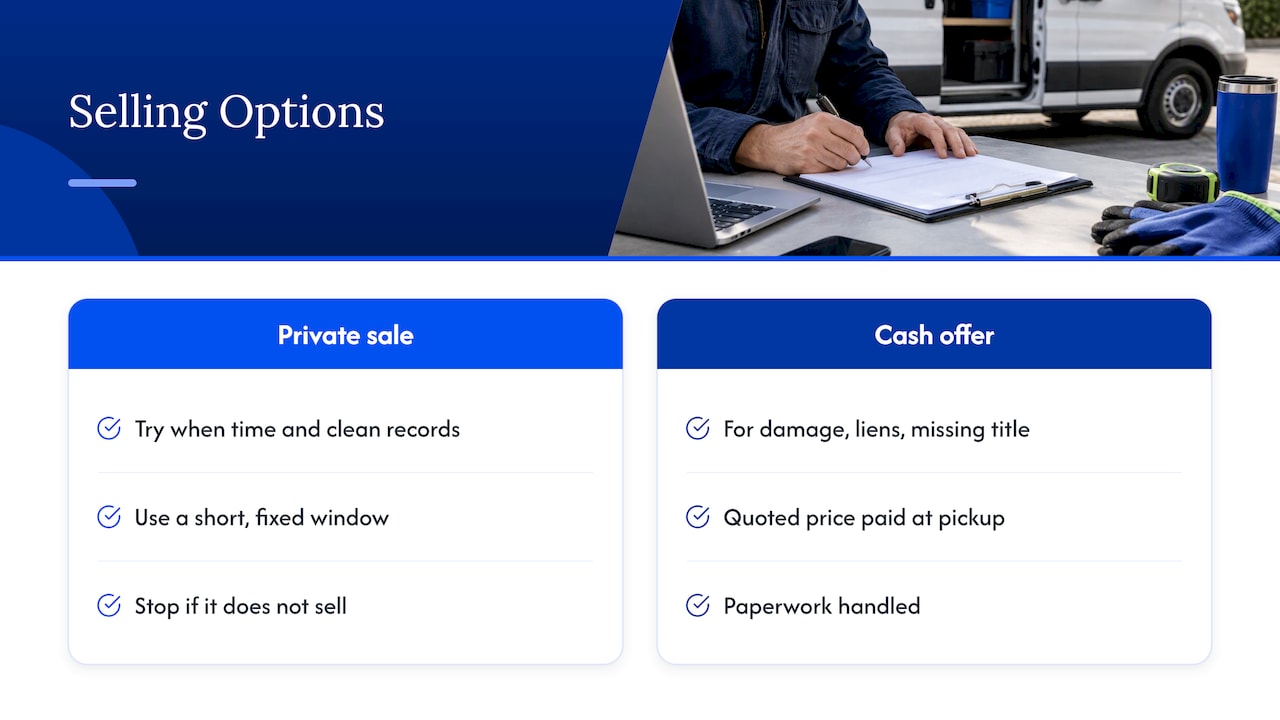
Our view is simple. If you have time and a clean van with records, try a private sale for a short, fixed window, then stop. If the van does not start, has damage, has a lien, or the title is missing, a guaranteed cash offer beats weeks of uncertain listings. We commit to paying the quoted price at pickup, so the number you accept is the number you receive. We handle the paperwork, and we work with vans with or without a title.
Get a second quote if you like. Just compare the real cost of each route: price, time, and the risk of the deal falling through on closing day.
— Eric
Sell your work van to us
If you would rather skip the listings and the strangers, we buy cars, SUVs, trucks, vans and commercial vehicles in New York, New Jersey and Connecticut. Tell us about the van, get a cash offer, and we come to your location, take care of the paperwork and pay at pickup. We buy running and non-running vans, with or without a title. Request your offer for your van or read about our options to sell your vehicle first.
A quick checklist before you close
- Title in hand, name and VIN verified.
- Lien release in hand if there was a loan.
- MV-912 signed by the seller, bill of sale signed by the buyer, copies for both.
- Odometer reading recorded accurately.
- Payment cleared before the keys change hands.
- Plates removed, then transferred or surrendered.
- Insurance canceled only after the plates are handled.
FAQ
How do I sell a work van privately in New York?
Advertise it with clear photos of the exterior, cab, cargo area, tires and equipment, and describe mileage, engine, transmission and upgrades honestly. At closing, you sign the title transfer section and the MV-912, and the buyer signs a bill of sale. Take your plates off afterward.
Can I sell a work van that still has a loan?
Yes. New York does not require you to clear the lien from the title first. You can give the buyer the original title with the original lien release. If you owe more than the van is worth, talk to your lender before accepting an offer.
What happens to my plates after I sell?
Remove them from the van. You may transfer the registration and plates to another vehicle you own, or surrender them. If you surrender before the registration expires, you may qualify for a refund.
Do I need a title to sell my van?
Usually a buyer needs proof of ownership, and the title is the main one. If it is lost, you can apply for a duplicate. We can also work with vans that have no title in hand, so contact us with the details of your situation.
Can I sell a van registered to my business?
Yes, but the person signing must be authorized. The DMV asks for proof of incorporation for a corporation or proof of partnership for a partnership, plus the agent’s name, title and photo ID.
Sources
- Buy, Sell, or Transfer Vehicle Ownership | NY DMV
- Add or Remove a Lienholder | NY DMV
- MV-82.1: Register/Title A Vehicle In New York State
- Form DTF-802: Statement of Transaction
- How to transfer a registration to another vehicle | NY DMV
- Let the Buyer Be Aware | NY DMV
- Tips to Help You Successfully Sell Your Cargo Van
- What to consider when disposing of business vehicles
- How to Sell a Van in the US: The Complete 2026 Seller Guide